
 EN
EN
 English
 Vietnamese
 繁体中文
繁体中文 Italian
 Spanish
 Thai
Thai Japanese
 Portuguese
 Korean
 Russian
 French
 German
 Arabic
Stay Updated with Allroad’s
Industry Knowledge
Industry Trends, Product Knowledge & Global Trade Insights

Industry Trends, Product Knowledge & Global Trade Insights
A box of broken wrenches shows up weeks late. Your delivery plan falls apart. Customers stop trusting you. This problem worries every importer who buys hardware tools from other countries. You need a step-by-step way to check suppliers so this does not happen. Before you sign a contract with any wholesale supplier, you must do five important checks. This is not just about finding a seller. It is about choosing a partner for the long run. As a smart importer, you expect your supplier to be reliable. You keep track of on-time delivery rates and defect rates. You measure how long it takes to bounce back from problems. These numbers show whether a dependable supplier of hardware tools will keep your supply chain safe. Start checking your suppliers now.
Look at the material grades and certifications to make sure the product is good quality.
Check how much a supplier can make and what backup plans they have to keep the supply chain reliable.
Pick a supplier that offers many products and choices to customize them.
Ask for clear prices and payment plans that are easy to change. This helps protect your cash flow.
Put responsive communication and strong after-sales support first for a lasting partnership.
You need to know exactly what is in the products you buy. A dependable supplier of hardware tools states material grades upfront. For hand tools, chrome vanadium steel is the industry benchmark. This alloy gives high hardness, great wear resistance, and moderate toughness. The vanadium content creates a fine, uniform grain structure. This gives the steel a strong hardness-to-weight ratio.
Chrome Vanadium steel is the backbone of professional hand tools. Key properties include: High hardness (typically HRC 38–44) which resists rounding and deformation during hand use; Excellent wear resistance so socket walls stay precise over years of service; and Moderate toughness which is sufficient for manual torque but not for repeated impact blows.
For straps and ropes, you need nylon or polyester with documented tensile strength. Ask your wholesale supplier for lab test reports. These reports prove the material meets your specifications. ALL ROAD sets the gold standard here. They maintain 216 lab and third-party test reports. Their in-house R&D team and standardized production ensure every batch meets rigorous standards. This level of product quality assurance protects your brand.
Certifications are not just decorative logos. They prove a factory follows international safety and quality standards. Look for ISO9001, CE, GS, UL, and RoHS marks. ISO9001 requires documented processes, equipment calibration, internal audits, and root cause analysis for defects. A certified factory tracks quality performance metrics and keeps accountability through production records.
ALL ROAD holds 16 global export compliance certifications. These credentials show their commitment to quality across every product line. When you evaluate wholesale suppliers, check these marks carefully. A supplier without them cannot guarantee consistent quality. This step separates serious wholesale suppliers from risky ones. You need a fastener distributor who treats certifications as a baseline, not a bonus. The right partner builds quality into every fastener and hardware item they ship.
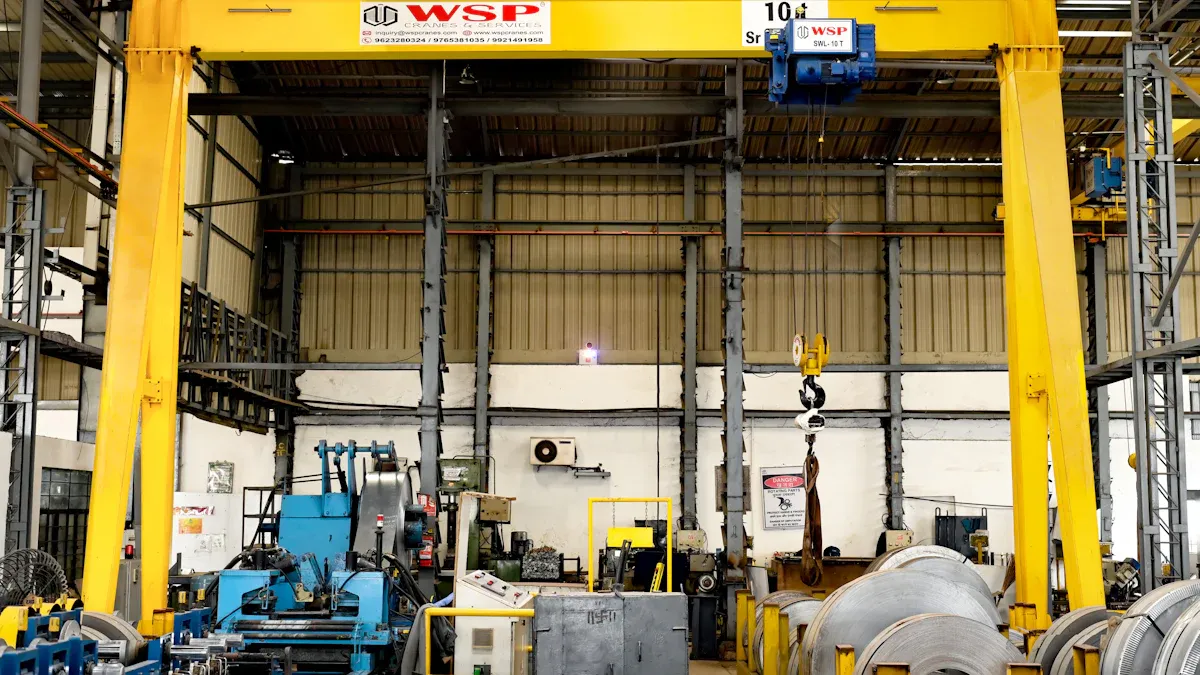
You need clear, realistic timelines from every wholesale supplier you check out. Ask for their normal production lead times and their ability to handle rush orders. A dependable supplier of hardware tools can handle both big bulk orders and smaller, urgent requests. This flexibility keeps your inventory moving and your customers happy.
Check these manufacturing capacity signs before you make a deal:
Production facilities and how big they are
Main product categories and what they do best
Manufacturing processes and technology
Quality control procedures
Maximum production capacity
OEM and ODM capabilities
ALL ROAD shows fast product turnover across its operations. This speed helps you react to market changes without keeping too much stock. A wholesale supplier with this skill supports your on-time delivery goals and protects your reputation.
Supply chain problems will happen. One factory failure can stop your whole operation. Smart importers look for wholesale suppliers with built-in backup plans. ALL ROAD runs multiple manufacturing sites and global subsidiaries in Thailand and North America. This spread across regions lowers risk during regional crises.
Strong backup planning includes:
Spread suppliers across different regions
Get the same components from more than one source at the same time
Keep a strategic safety stock
Use different transportation routes
Work with two suppliers for critical parts
Spread production across regions
Work together on backup plans
Use advanced technology to see what is happening
Build strategic partnerships
Watch performance all the time
A diverse supplier network and flexible supplier network give you supply chain agility and resiliency. When you check a wholesale supplier, ask about their backup factories and vendor managed inventory programs. These practices protect your supply chain during busy seasons and global crises. A fastener distributor with multiple sites delivers fasteners and hardware without stopping. This reliability separates serious wholesale suppliers from risky ones. Your order accuracy and delivery depend on their preparation.
You need a wholesale supplier who stocks more than just bolts. A wide catalog saves you time and money. You avoid the hassle of managing many vendors. You lower freight costs by combining shipments. You cut receiving dock labor because fewer trucks come in. This one-stop shop for fasteners approach makes your whole supply chain simpler.
A dependable fastener distributor carries hardware, engineering products, machinery, and tools across many categories. You find abrasives, adhesives, cable management supplies, cutting tools, electrical components, and material handling equipment. You also get protective caps, safety gear, tapes, and shipping products. This range means you source standard fasteners and specialty items from one partner.
ALL ROAD shows this comprehensive approach. Their catalog includes ratchet tie downs, cargo nets, ropes, fish tapes, and EPDM products. They serve automotive, industrial, and everyday applications. Their presence in 50+ countries proves their distribution network works. You benefit from shorter lead times because they act as an inventory buffer. You avoid high order minimums that manufacturers often demand. You free up cash that would otherwise sit in warehouse stock.
Technical expertise matters too. A competent fastener distributor reads engineering drawings. They interpret ASTM, DIN, and ISO specifications. They offer joint analysis and torque-tension recommendations. They assess vibration-loosening risks and galvanic corrosion potential. This engineering support protects your applications from premature failure.
You may need products that carry your brand. A wholesale supplier with strong OEM capabilities makes this possible. You can request private label packaging, custom colors, or modified specifications. You can order trial runs of 100–300 pieces before committing to full production. You receive samples within 7–10 days for existing structures. Full production takes 45–60 days after you approve the final specification.
ALL ROAD holds 38 authorized patents and multiple proprietary brands. Their brands include Aweltec, Awelcraft, Yiweida, and FIRSD. This intellectual property shows their design capability. They offer engineering-level customization beyond simple logo changes. You can adjust motor components, output calibration, or plug types for different markets. They handle compliance certifications like CE, GS, UL, and RoHS for your target regions.
You also gain access to secondary processing services. A capable fastener distributor offers kitting, bagging, labeling, and sequenced delivery. They provide thread patching, zinc plating, hot-dip galvanizing, and mechanical plating. These services deliver fasteners ready for installation. You eliminate internal handling labor and reduce wrong-part installation risk. The lowest unit price from an inconsistent supplier costs more over a year than a reliable partner who delivers complete solutions.
You need to see exactly where your money goes. A dependable wholesale supplier gives you a clear cost breakdown. Ask for direct materials, direct labor, logistics, overhead, and profit. This detail lets you verify raw material prices and scrap rates. You can check operator time and regional wage rates. You can compare freight quotes and avoid surprise delivery charges. Transparent pricing from a wholesale supplier builds trust. It also lets you calculate accurate margins for your business.
A common pitfall is relying on historical price as a proxy for cost. Historical pricing reflects past deals, volumes, market timing, and supplier strategy, it does not reflect the cost structure of a new part or routing.
You also need a solid grasp of Incoterms. These rules define who pays for what and when risk transfers.
Incoterm | Main Transport Arranged By | Export Clearance | Import Clearance | Typical Risk Transfer Point |
|---|---|---|---|---|
EXW | Buyer | Buyer | Buyer | Seller's named premises |
FOB | Buyer | Seller | Buyer | When goods are on board the vessel |
CIF | Seller | Seller | Buyer | When goods are on board the vessel |
EXW looks cheaper at first. The unit price excludes loading, export customs, main freight, insurance, and import clearance. FOB means the supplier handles export clearance and loads goods on the vessel. You arrange and pay for main sea freight. CIF shifts freight and insurance to the supplier. Risk still transfers when goods are on board at origin. Always verify insurance coverage and destination charges. A wholesale supplier who explains these terms clearly protects you from hidden costs.
Financial risk worries every importer. You need payment options that protect your cash. Letters of Credit (L/C) and escrow services reduce risk for both sides. Net payment terms give you time to sell inventory before you pay. Standard terms include Net 15, Net 30, Net 60, and Net 90. Net 30 is the industry standard. Net 60 suits longer selling cycles and seasonal inventory. Net 90 is rare and usually reserved for established accounts.
Early payment discounts like 2/10 net 30 reward fast payment. You get a 2% discount if you pay within 10 days. Otherwise, you pay the full amount within 30 days. A conservative path for credit starts with COD. After 3-6 months of consistent payment history, you can ask for Net 15. Reliable payers can upgrade to Net 30. Consider Net 60 only for high-value established relationships.
A wholesale supplier with flexible invoicing and credit options supports your cash flow. This flexibility makes cost effective sourcing possible. It also strengthens your supply chain. When you evaluate wholesale suppliers, ask about their payment security policies. A fastener distributor who offers fair terms and stands behind their fasteners is a partner you can trust. Good wholesale sourcing depends on clear financial agreements. Choose wholesale suppliers who treat payment terms as part of the partnership, not just a transaction.
A wholesale supplier who replies to your emails within hours stops small problems from turning into big delays. You need a dedicated account manager who knows your orders, your specifications, and your deadlines. This person becomes your single point of contact. You avoid telling your story again to different representatives. You get answers faster. You build a working relationship that gets better over time.
Response time standards change by support tier and issue severity. A wholesale supplier with strong infrastructure meets these benchmarks:
Support Tier | Severity 1 | Severity 2 | Severity 3 | Severity 4 |
|---|---|---|---|---|
Proactive Support | 30 min (24x7) | 2 business hours | 2 business hours | 2 business hours |
Expert Care Premium (24x7) | 30 min | 30 min | 4 hours | 4 hours |
Expert Care Basic (9x5) | 4 hours | 4 hours | 4 hours | 4 hours |
ALL ROAD serves customers in more than 50 countries. This global reach requires strong communication systems. Their account managers handle language barriers and time zone differences. You get clear updates on production status, shipping schedules, and any delays. A wholesale supplier with this infrastructure protects your supply chain from costly misunderstandings.
You need a clear, fair policy on defective products. This policy is non-negotiable. A wholesale supplier who stands behind their products offers replacement, repair, or credit for confirmed defects. You want written terms that define what counts as a defect, how you file a claim, and how long the process takes. You also need to know who pays return shipping and how the supplier handles restocking fees.
The benefits of working with a fastener distributor who honors warranties include predictable costs and reduced risk. You avoid writing off defective inventory. You protect your customer relationships. You maintain your reputation for quality. A dependable wholesale supplier tracks defect rates and performs root cause analysis. They fix problems at the source. They do not blame you for issues that come from their factory.
Ask every wholesale supplier for their warranty terms before you sign. Compare fastener distributors on claim resolution speed and fairness. A partner who resolves defects quickly keeps your operations running. This reliability separates serious wholesale suppliers from risky ones. Your quality standards depend on their accountability.
These five checks work together as one system. Quality, capacity, range, pricing, and communication all link up. A dependable supplier of hardware tools who does well in every area becomes a key partner. You gain a partner who protects your supply chain and grows with you.
Build a scorecard to compare wholesale suppliers in a fair way. Track on-time delivery, quality, and how fast they respond. Set clear goals like 90% for delivery and 95% for quality. Review scores each month or each quarter. Share feedback with your wholesale supplier so they can get better.
Start checking wholesale suppliers now, even before you need a certain order. Make a shortlist of pre-qualified partners. A strong fastener distributor will be ready when you are. Do not wait for a crisis to find your next wholesale supplier.
Ask for certificate copies that show issue dates and who issued them. Call the certification organization yourself to confirm they are valid. Many agencies post lists of verified certificates online. You can also ask for audit reports from recent factory inspections. A dependable wholesale supplier will share these papers without any hesitation.
Minimum order quantities depend on the product type and the supplier. Hand tools often need 500 to 1,000 pieces for each size. Straps and ropes may need fewer. Ask each wholesale supplier about their MOQ schedule. Some offer lower minimums for your first order. This helps you test quality before you buy large amounts.
Yes, good wholesale suppliers give samples before production starts. You usually pay for the sample costs and the shipping. Many suppliers take sample fees off your first bulk order. ALL ROAD sends samples within 7 to 10 days for products they already make. This lets you check material quality and workmanship for yourself.
You need clear communication rules from the very start. Ask about business hours and response time guarantees. A good wholesale supplier gives you a dedicated account manager who works your schedule. They send written updates on production and shipping. This setup stops misunderstandings that delay your orders.
Your contract needs delivery dates, quality specifications, and defect policies. Include payment terms, Incoterms, and warranty conditions. Spell out material grades and testing requirements. Add penalty clauses for late delivery. A fastener distributor who agrees to clear terms shows confidence in their service. This protects both sides and builds long-term trust.
The best time to ask hard questions is before you sign, not after problems appear.
When you evaluate wholesale suppliers, use these answers to guide your talks. A fastener distributor who responds clearly and honestly earns your confidence. Strong wholesale suppliers welcome your questions because they have nothing to hide. Start your vetting process today and build a shortlist of partners who pass every check.
In the face of natural disasters, housing crises, or the need for rapid public infrastructure, the ability to deploy high-quality safe, and durable shelters is paramount. For Government Procurement Officers and NGOs.
Find out more about our news >
To recommend a Chinese factory for heavy duty cargo straps, check ISO certifications, third-party testing, and export experience. Verify compliance and support.
Find out more about our news >
When selecting a cargo nets factory for automotive or outdoor projects, check material quality, certifications, customization, and production capacity.
Find out more about our news >
Zhejiang All Road Industrial Co.,Ltd. participated in the Mexico National Hardware Expo with its core products, using this opportunity to deepen its presence in the Latin American market and learn from cutting-edge industry practices.
Find out more about our news >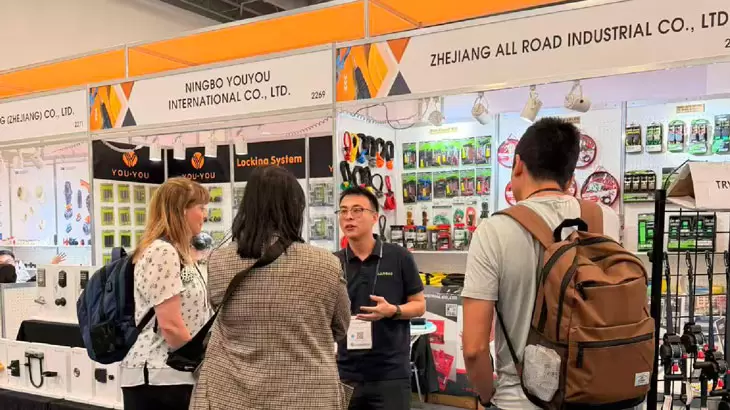
As morning light bathes the Las Vegas Convention Center, the annual flagship event for the global hardware and auto parts industry — the 2026 National Hardware Show (NHS, Concept to Commerce) — grandly kicked off from March 31 to April 2. ZHEJIANG ALL ROAD INDUSTRIAL and Trade Co., Ltd. (hereinafter referred to as “ZHEJIANG ALL ROAD”) showcased its core auto parts and hardware tool product lines,
Find out more about our news >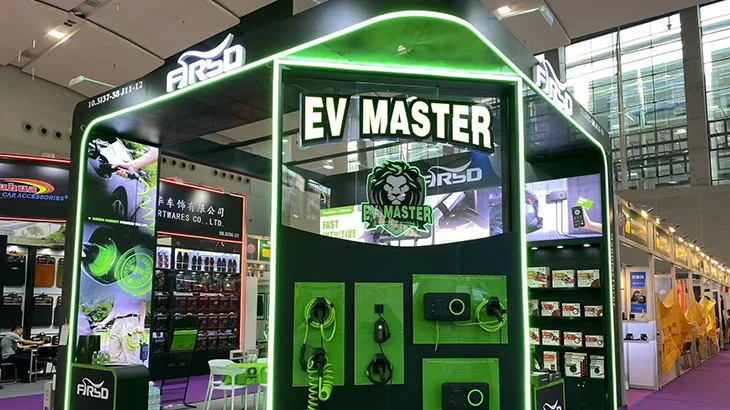
As an important international trade fair, the Canton Fair attracts merchants from all over the world to come and discuss cooperation. From April 15 to May 5, Aolu Industry and Trade Co., Ltd. participated in the fair with its core products and exchanged ideas with merchants from home and abroad.
Find out more about our news >