
 EN
EN
 English
 Vietnamese
 繁体中文
繁体中文 Italian
 Spanish
 Thai
Thai Japanese
 Portuguese
 Korean
 Russian
 French
 German
 Arabic
Stay Updated with Allroad’s
Industry Knowledge
Industry Trends, Product Knowledge & Global Trade Insights

Industry Trends, Product Knowledge & Global Trade Insights
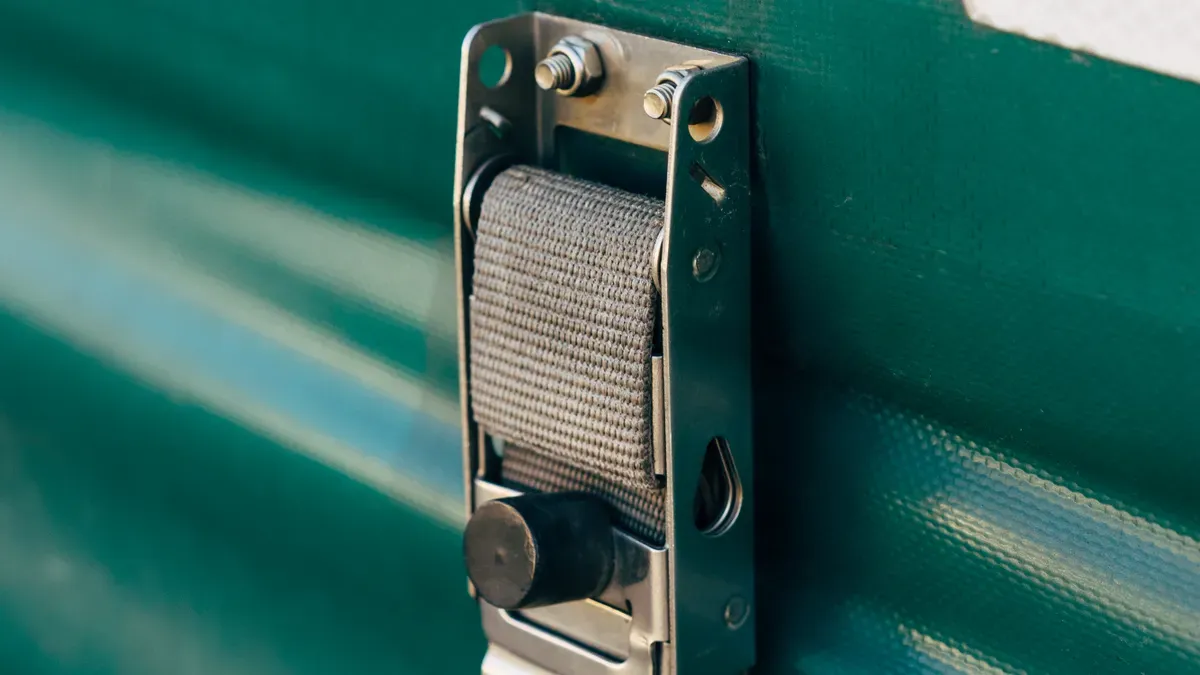
To recommend a Chinese factory for heavy duty straps, you must check ISO certifications, export experience, and third-party testing. Start by focusing on six things: material quality, manufacturing standards, compliance, pricing, communication, and after-sales support. Each factor protects your business from product failures and supply chain delays.
Due diligence separates a reliable supplier from a risky one. A low price from China often hides weak materials or missing certificates. You need written proof of load capacity, safety compliance, and steady production. Ask for test reports, audit summaries, and sample cargo straps before you commit. This approach protects your commercial transportation operations and your reputation.
Look at the factory's certifications, such as ISO 9001 and EN 12195-2, to make sure the straps are good and safe.
Ask for samples and third-party test reports to check how strong and long-lasting the straps are.
Look at the prices, the smallest amount you can order, and how long it takes to get them, so you can pick what works best for you.
Test how well they communicate and support you after the sale by asking technical questions and asking for warranty details.
Begin with a small test order to make sure the factory meets your standards before you decide to work with them for a long time.
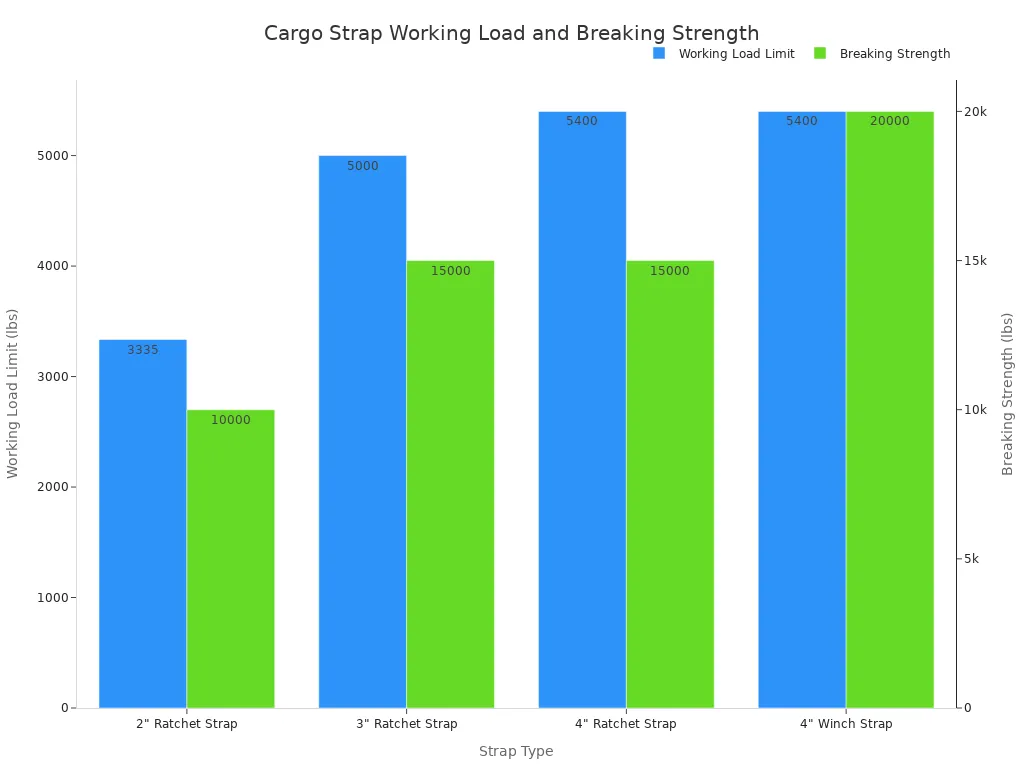
You must match every strap to the load it holds. Start with the working load limit (WLL), which is the maximum safe force for normal use. Breaking strength is the force that physically fails a component. For synthetic webbing, WLL is usually one-third of breaking strength. Under FMCSA/DOT rules, the total WLL of all tie-downs must be at least half the weight of the load. So a 4,000-pound load needs 2,000 pounds of total WLL. Compliance always uses WLL, never breaking strength, and the weakest part limits a tiedown's effective WLL.
Working Load Limit | Breaking Strength | Typical Applications | |
|---|---|---|---|
2" Ratchet Strap | 3,335 lbs | 10,000 lbs | Light cargo, pallets |
3" Ratchet Strap | 5,000 lbs | 15,000 lbs | Medium cargo |
4" Ratchet Strap | 5,400 lbs | 15,000 lbs | Heavy cargo |
4" Winch Strap | 5,400 lbs | 20,000 lbs | Flatbed securement |
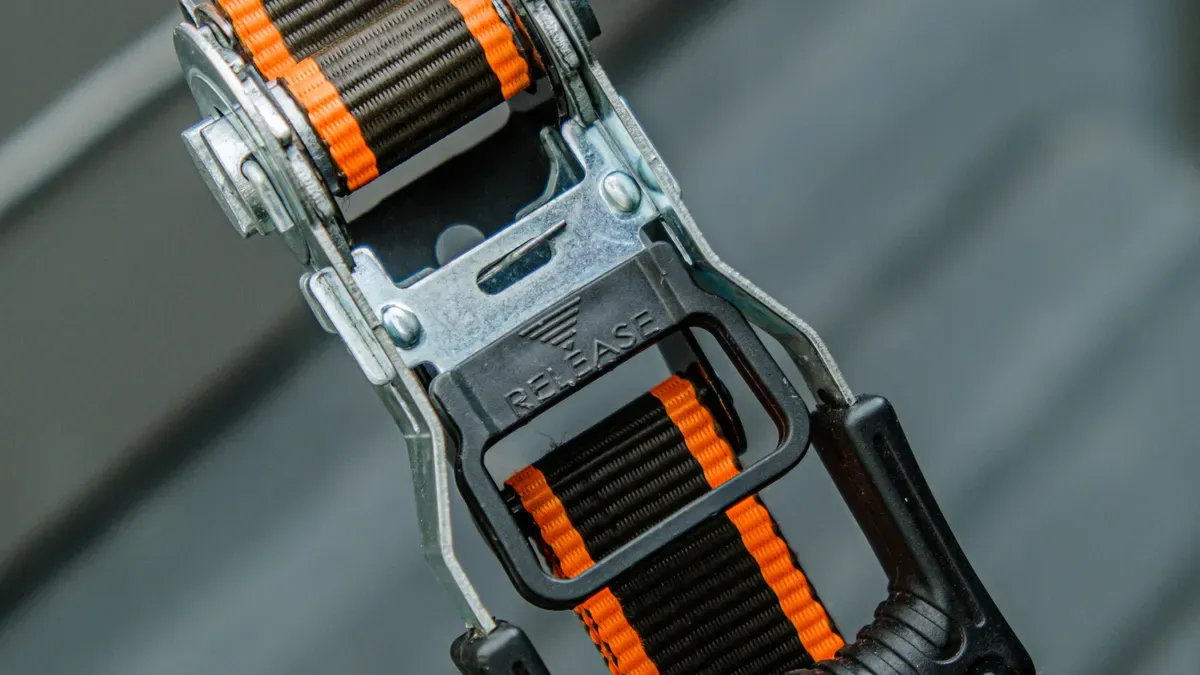
Material choice matters too. Polyester straps resist stretching and hold tension even when wet. A nylon strap stretches more and absorbs shock for dynamic loads. Polyester suits outdoor and heavy-duty applications with long-term reliability. Both materials break down under long UV exposure and certain chemicals.
Regulatory compliance protects your operation. EN 12195-2 governs European lashing and securing equipment. It verifies Lashing Capacity (LC) with a documented ratio between break force and rated capacity. The North American cargo securement standard comes from FMCSA 49 CFR 393, which requires a minimum 3:1 safety factor. ASTM D-3950 governs ratchet strap manufacturing. Both frameworks demand durable webbing, high breaking strength, and a reliable ratcheting mechanism.
You should confirm that every cargo securing product carries the correct markings. WLL ratings must appear clearly on the product. Breaking strength may not always be marked. Ask suppliers for documentation that ties each load securing solution to a named standard. This step supports securing heavy loads and keeps your fleet compliant.
When you recommend a chinese factory, certifications should be your first check. Ask for ISO 9001:2015, which shows the factory has a written quality management system. ISO 14001:2004 proves they follow environmental rules. BSCI, CE, GS, UL, and RoHS certificates cover social responsibility, European market access, product safety, electrical parts, and limits on hazardous substances. A serious chinese manufacturer will share these documents right away.
EN 12195-2 is the most important one for cargo securement. This standard covers lashing equipment and confirms the Lashing Capacity (LC) rating. Ask for the EN 12195-2 test report along with the ISO certificate. Check the certificate number with the issuing body to make sure it is real. Expired or mismatched documents mean the quality system is weak. You can also ask for references from other European customers who buy the same product line.
Audit reports show how a factory really runs its business. Good ratchet strap manufacturers in China often share third-party audit documents. Ask for EN 12195-2 test reports, ISO certificates, and references from other European customers. Think about a third-party inspection before your goods ship. Ask for test reports and check samples in an independent lab. These steps confirm the factory meets safety and securing standards every time.
For clients requiring independent validation, we can arrange for our products to be tested and certified by recognized third-party testing organizations, such as TÜV. We routinely manufacture to meet international standards (like EN 12195-2 for the European market or WSTDA for North America), ensuring your products pass stringent external audits.
Industry memberships add another layer of trust. The Web Sling and Tie Down Association (WSTDA) sets voluntary standards for synthetic web tie-downs. Being a member shows ongoing engagement with cargo safety rules. One Chinese manufacturer, Ningbo Force Auto Parts Co., Ltd., states on its website: "As a WSTDA member, we foster industry collaboration and provide safe, eco-conscious logistics solutions." Another factory, Xstrap (Zhangjiagang SMK MFG. Co., Ltd.), aligns its entire manufacturing lifecycle with WSTDA standards, from raw material procurement to final product labeling. This alignment shows a real, audited membership rather than just a marketing claim.
The company's official membership in the American Web Sling and Tie Down Association (WSTDA) affirms its status as a leading force in the international rigging field, with its product line renowned for reliability and performance.
WSTDA membership is clearly listed as a sign that a manufacturer stays engaged with industry safety standards. This membership shows up next to other recognized certifications (CE, S-mark, GS, ISO 9001) as a valid quality indicator for buyers who source cargo tie-down straps in bulk.
ALL ROAD is a strong example. Founded in 2004 in Zhejiang Province, China, the company serves customers in more than 50 countries. It holds ISO 9001:2015, ISO 14001:2004, BSCI, CE, GS, UL, and RoHS certifications. This mix of credentials shows that a chinese manufacturer can meet global compliance demands for cargo securement products.
A factory audit shows whether a supplier can handle your order size. Look for automated production lines, in-house R&D, and standardized production. These features prove a manufacturer can manage large-scale tasks well. A full one-stop production system covers everything from raw material buying to final product inspection. Advanced facilities and smart production lines keep strict control at every stage.
Capability Indicator | Evidence |
|---|---|
Production scale | |
Automation | Advanced automated lines |
Testing capability | In-house testing labs |
Quality control | Full-process quality control from raw material to finished goods |
Certifications and audits | ISO 9001 certified, SMETA audited, C-TPAT anti-terrorism inspections passed, multiple GS and patent certifications |
Several Chinese factories show these capabilities. Connect-KNKT, Chenli Group, Forcerigging, Load Mate, Juli Sling, Jiangxi JahooPak, Taizhou Senkang, Ningbo Zhenhai Jinlong, and Elasto Textile all work in this space. You should visit or ask for a virtual tour before you commit.
Quality control separates reliable ratchet strap manufacturers from risky ones. Ask for written steps covering incoming, in-process, and final inspection. Request a sample quality plan and check whether production records match the shipped batch. Load testing needs calibrated equipment and signed test records covering the complete strap assembly. Review test frequency, sample selection, calibration certificates, and failure modes.
Product identification and traceability matter too. Durable labels must link to production records with WLL, length, manufacturer lot, and instructions. Verify that carton labels, product labels, inspection reports, and batch records use matching identification.
FMCSA regulation 49 CFR 393.102 requires the aggregate working load limit to reach at least 50% of the cargo weight. Under EN 12195-2, suppliers should state lashing capacity, standard hand force, and standard tension force clearly.
Request samples before discussing large orders. Inspect strap width, stitching, handle movement, and hook finish. Confirm rated load, break strength, and working load limit separately. Ask whether each batch is traceable through inspection numbers or production dates. Request recent third-party test reports and batch test reports when available. Put dimensions, colors, labels, tolerances, packaging, delivery schedules, and inspection procedures in writing. Keep sample approval records traceable to each shipped batch.
Always ask for physical samples before you place a big order. Check the webbing width, stitching pattern, ratchet handle movement, and hook finish. Pull the strap tight and see if it works smoothly. A good sample shows even stitching and clean hardware edges. Ask the factory to send samples from their current production runs, not special hand-made pieces.
After you approve a sample, ask for the full set of test reports. Breaking strength reports show the most force the strap can handle before it fails. Elongation reports tell you how much the strap stretches under load. UV resistance reports confirm the webbing holds up in sunlight. Abrasion resistance reports prove the strap survives rubbing against truck beds and cargo edges.
Our finishes are tested to ISO 105-B02 for UV resistance and ISO 4920 for water repellency. We offer complete lab reports covering tensile strength (ISO 13934), abrasion resistance (ISO 12947), tear strength, and colorfastness. Reports can be provided from both our in-house lab and third-party agencies like SGS. Our webbings are tested to high breaking strengths under ISO 13934 and ASTM D6775 standards.
Polyester webbing is the top pick for heavy-duty cargo straps. It offers high strength, low stretch, and good resistance to UV rays and abrasion. Polyester stretches very little, so it holds loads tight and works well outdoors for long periods. Nylon webbing offers more flexibility and stretch for cargo that may move during transport. However, nylon breaks down faster in sunlight. When you look at test reports, make sure the webbing's UV and abrasion performance fits your intended use.
Performance Metric | Polyester Webbing | Nylon Webbing |
|---|---|---|
UV Resistance | Excellent (retains ~90% of baseline strength after prolonged exposure) | Moderate to Poor (untreated nylon becomes brittle and degrades faster) |
Abrasion Resistance | High (ideal for static friction) | Very High (ideal for dynamic friction) |
Water Absorption | < 0.4% | Up to 8.0% |
Stretch Under Load | 5% – 15% | 20% – 30% |
Melting Point | ~260°C (500°F) | ~250°C (482°F) |
Use these steps to check samples and reports properly:
Ask for initial sample runs from the supplier before you commit to standard commercial minimum order quantities (MOQs), which usually range from 3,000 to 5,000 meters per color and width.
Run your own in-house tests that must include tensile testing, dye fastness checks (typically needing a minimum grade 4 on the ISO grayscale), and abrasion testing (often aiming for endurance benchmarks of 10,000 cycles on a standard abrader).
Set a strict quality standard of a defect rate below 1.0% per delivered production batch.
Plan for longer lead times (30 to 45 days maritime shipping from major Asian textile hubs) and regional import tariffs when you schedule procurement.
Meeting international standards keeps you safe from legal trouble and product failures. You should confirm that every cargo securement product has the right markings and paperwork. DOT compliance is required for commercial transportation in North America. TÜV certification proves an outside group checked the strength and safety. CE marking lets you sell in European markets. GS certification confirms tested safety for commercial use.
Compliance Attribute | Evidence from Product Listing |
|---|---|
DOT | Product explicitly states it 'Meets DOT' |
EN 12195-2 | Product states it 'Conforms to EN 12195-2' |
TÜV | Product is 'Backed by TÜV test reports' and 'TÜV-verified strength' |
Break Strength | Verified 1,760 lbs (800 kg) |
Webbing Material | Polyester (PES) |
Width | 1 in / 25 mm |
Ask your supplier for the certificate number and check it with the issuing body. Expired or mismatched documents point to a weak quality system. These reports cover breaking strength, elongation, UV resistance, and abrasion resistance. This level of documentation gives you confidence when securing heavy loads across long-haul routes.
After you pick factories that pass your quality checks, turn your attention to business terms. Ask for detailed quotes that show unit cost, material cost, and shipping as separate items. A single total price hides where the factory cuts corners. You need to see the webbing grade, hardware type, and labor charges listed one by one. This breakdown lets you compare suppliers fairly. Ask each factory to quote the same strap specs, including width, length, and breaking strength. Then compare each line item, not just the final totals.
Ask for quotes in writing and demand a full cost breakdown. Unit cost should cover raw materials, production labor, packaging, and factory overhead. Shipping cost should list freight, insurance, and customs clearance as separate items. Some factories quote lower unit costs but add hidden fees for tooling or sample approval. Ask about payment terms before you decide. Most Chinese factories want a 30% TT deposit and 70% balance before delivery. Think about this cash flow when you choose. A slightly higher unit cost from a factory with clear pricing often saves you money over time.
Minimum order quantities differ a lot between suppliers. Standard items from Chinese factories usually need about 1 ton per order. Trial orders can start as low as 200 kg. Tiers based on width and grade range from 500 kg to 2 tons. Distributors and e-commerce channels take orders from about 50 rolls or 100 kg. Match the MOQ to how much you actually use. Ordering too much ties up your money; ordering too little raises your per-unit costs.
Lead times matter just as much. Stock items ship in about 7 days. Custom orders take up to 30 days. Emergency orders can ship in 5–7 days if the factory keeps inventory. Standard MOQ orders of in-stock colors leave the warehouse in 7–14 days. Custom orders need 15–30 days. Sea freight from Ningbo to major European ports takes 28–35 days. Plan your buying schedule around these windows.
Benchmark Category | Documented Value |
|---|---|
Standard item MOQ | ~1 ton |
Trial order MOQ | 200 kg |
Width/grade-based MOQ tiers | 500 kg – 2 tons |
Distributor/e-commerce MOQ | from ~50 rolls or ~100 kg |
Payment terms | 30% TT deposit, 70% balance before delivery |
Stock item lead time | ~7 days |
Custom order lead time | up to 30 days |
Emergency order lead time | 5–7 days |
On-time shipment rate | 98.6% |
Compare delivery schedules from several suppliers before you commit. A factory with a 98.6% on-time shipment rate lowers your supply chain risk. ALL ROAD offers OEM services and has subsidiaries in Thailand and North America. This global reach shortens delivery routes for heavy-duty cargo securing straps. When you source from china, make sure the factory can meet your lead time needs every time. Ask for shipping records from the past six months. Then pick the supplier whose business terms fit your operational needs.
You can judge a factory's communication quality before you place any order. Send a detailed email with technical questions about strap specifications. Track how long the factory takes to reply. A reliable supplier responds within one business day. Slow replies during the sales phase often signal worse communication after you pay.
Request a video call with the engineering team. Ask them to walk you through their production floor live. This test reveals their English proficiency and technical knowledge. You want a team that understands terms like working load limit and breaking strength without confusion. Follow up on sample requests and note how quickly they ship. A factory that delays sample delivery will likely delay full production orders. Strong communication reduces costly mistakes when you source cargo straps from china.
Warranty terms protect your investment over years of commercial use. Ask for the warranty period in writing. Confirm what the warranty covers: stitching failures, ratchet mechanism defects, or webbing tears. A reputable factory stands behind its products with clear terms. Get the warranty policy attached to your purchase contract.
Spare parts availability matters for long-term fleet operations. Ratchet handles, replacement straps, and hardware components wear out over time. Ask if the factory stocks replacement parts for your specific product line. Confirm their lead time for spare part orders. A supplier without spare parts support forces you to replace entire assemblies instead of simple components.
ALL ROAD demonstrates strong after-sales commitment through its global footprint. The company operates subsidiaries in Thailand and North America. This presence shortens response times and simplifies warranty claims. ALL ROAD serves customers in more than 50 countries with a focus on satisfaction. Strong after-sales support reduces your risk when sourcing from China. You gain a partner who solves problems instead of disappearing after the sale.
Recommending a Chinese factory requires a clear, step-by-step review. First, define what you need for cargo safety. Then check credentials, evaluate ratchet strap makers' abilities, test quality, compare prices, and confirm support systems. Each step shields your company from safety risks and supply chain problems.
Due diligence separates dependable partners from expensive errors. A careful review process stops product failures, regulatory fines, and late shipments. Your reputation rests on every cargo securement choice you make.
Begin with a small trial order before you sign a long-term contract. Test the heavy-duty straps in real conditions. Make sure the factory ships on time and handles problems. This low-risk method proves your choice without risking your whole operation. A careful start builds trust for a lasting partnership.
Look for ISO 9001:2015, ISO 14001:2004, BSCI, CE, GS, UL, and RoHS. For cargo securement, ask for EN 12195-2 test reports. Check certificate numbers with the groups that issued them. ALL ROAD has all these certifications and serves customers in more than 50 countries.
Ask for real samples from current production runs. Request reports on breaking strength, elongation, UV resistance, and abrasion resistance. Look at stitching, hardware finish, and how the ratchet moves.
Standard items need about 1 ton per order. Trial orders start at 200 kg. Stock items ship in 7 days. Custom orders take up to 30 days. Sea freight from Ningbo to Europe takes 28–35 days. ALL ROAD offers OEM services with subsidiaries in Thailand and North America.
Send technical questions and see how fast they reply. A reliable supplier answers within one business day. Ask for a video call with their engineering team. Get warranty terms in writing. Confirm they have spare parts. ALL ROAD runs subsidiaries in Thailand and North America for faster support.
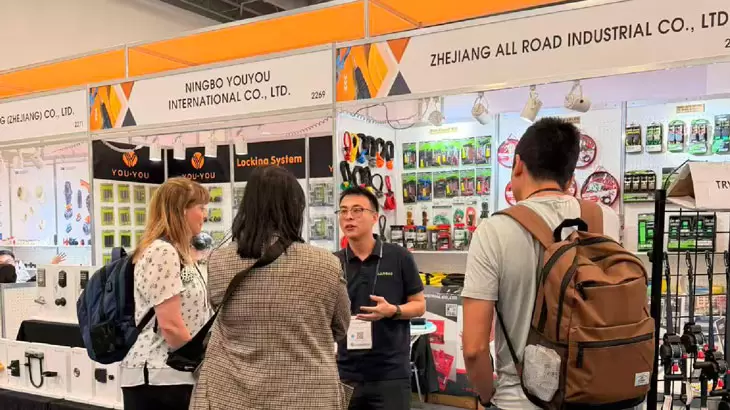
As morning light bathes the Las Vegas Convention Center, the annual flagship event for the global hardware and auto parts industry — the 2026 National Hardware Show (NHS, Concept to Commerce) — grandly kicked off from March 31 to April 2. ZHEJIANG ALL ROAD INDUSTRIAL and Trade Co., Ltd. (hereinafter referred to as “ZHEJIANG ALL ROAD”) showcased its core auto parts and hardware tool product lines,
Find out more about our news >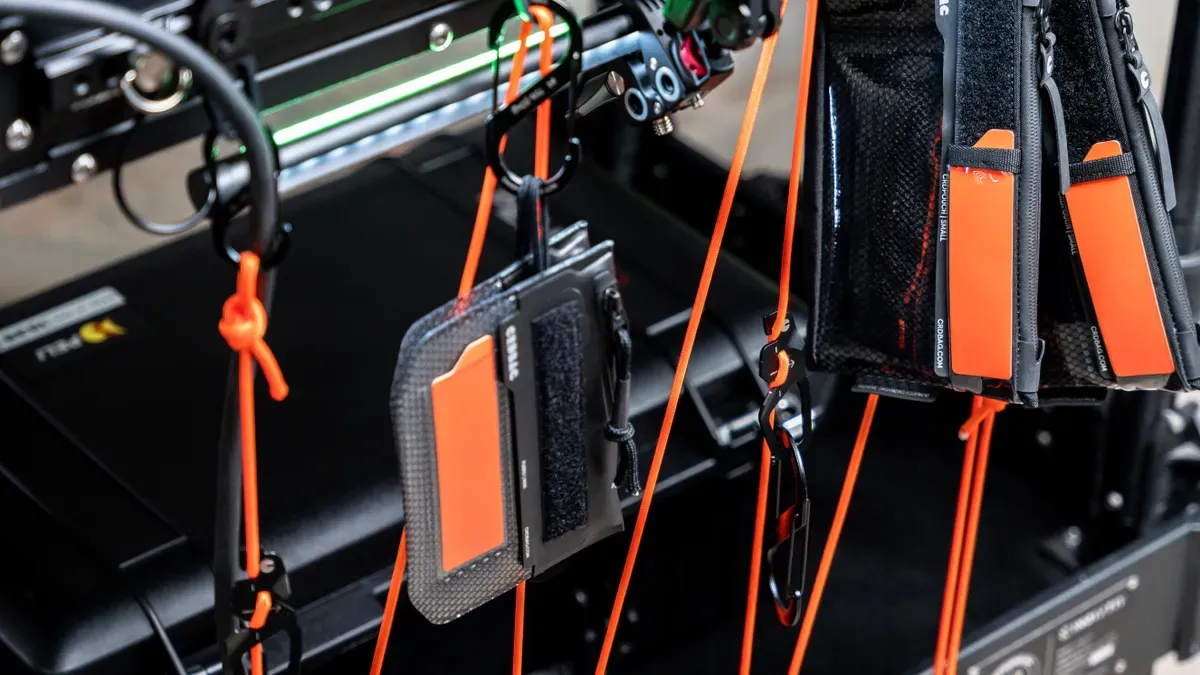
To find a reputable luggage strap manufacturer in China, research hubs, vet credentials, test samples, and negotiate clear terms to protect your brand.
Find out more about our news >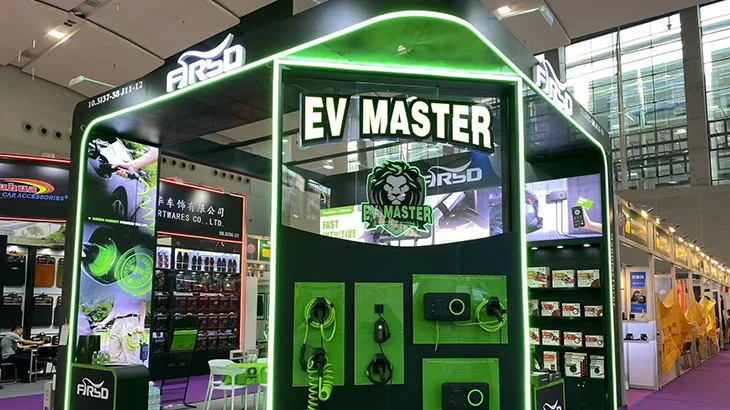
As an important international trade fair, the Canton Fair attracts merchants from all over the world to come and discuss cooperation. From April 15 to May 5, Aolu Industry and Trade Co., Ltd. participated in the fair with its core products and exchanged ideas with merchants from home and abroad.
Find out more about our news >
Ensure your import business thrives by checking these 5 critical factors in a dependable supplier of hardware tools, from quality to communication.
Find out more about our news >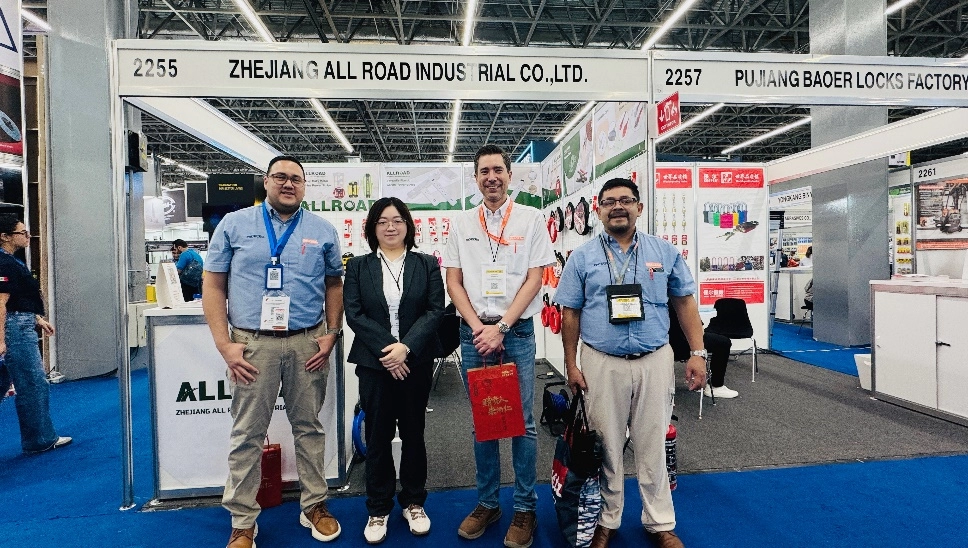
Zhejiang All Road Industrial Co.,Ltd. participated in the Mexico National Hardware Expo with its core products, using this opportunity to deepen its presence in the Latin American market and learn from cutting-edge industry practices.
Find out more about our news >
When selecting a cargo nets factory for automotive or outdoor projects, check material quality, certifications, customization, and production capacity.
Find out more about our news >