
 EN
EN
 English
 Vietnamese
 繁体中文
繁体中文 Italian
 Spanish
 Thai
Thai Japanese
 Portuguese
 Korean
 Russian
 French
 German
 Arabic
Stay Updated with Allroad’s
Industry Knowledge
Industry Trends, Product Knowledge & Global Trade Insights

Industry Trends, Product Knowledge & Global Trade Insights
Your retail brand's reputation depends on every product you sell, even the simple luggage strap. One bad strap can lead to returns, hurtful reviews, and lost customer trust. Still, finding a good luggage strap manufacturer in China often feels too hard.
If you want to find a reputable luggage strap manufacturer in China, you need a clear plan, not guessing. Start by researching well-known manufacturing regions. Check their certifications and test samples to confirm they are real. Explain your specifications clearly before you agree to production. This method turns sourcing from a risk into a smart advantage. When you follow these steps, you protect your brand's quality standards and build a supply chain that gives your customers consistent, strong products they can trust.
Look into the manufacturing centers in Zhejiang and Guangdong to locate experienced suppliers.
Check the supplier's paperwork and certificates to make sure they are real factories.
Check real samples for quality and safety before you place any order.
Talk about clear rules for MOQs, pricing, and payment to avoid surprises.
Use clear contracts to protect your brand from problems with quality and delivery.
China leads the world in making luggage straps. Two areas are the main hubs: Zhejiang Province and Guangdong Province. Each area gives you different benefits for your supplier plan.
Zhejiang Province sits on China's eastern coast. It is well known for hardware and textile accessories. Many factories there make straps, buckles, and webbing. ALL ROAD started in Zhejiang in 2004. It shows the kind of skilled maker you want. This company sells to more than 50 countries. It also has certifications like ISO 9001:2015 and BSCI. Zhejiang's strong supply chain lets you get materials, parts, and finished goods nearby.
Guangdong Province, where Guangzhou and Shenzhen are, is another big manufacturing base. This southern area is close to Hong Kong and has many ports. Many makers in China work here. They serve both local and export markets. Guangdong factories often focus on large production runs and fast turnaround times.
Both areas offer skilled workers, good logistics networks, and fair prices. When you look for a maker, focus on these hubs. This cuts shipping costs and wait times.
You have two main ways to find possible suppliers: online B2B platforms and in-person trade shows. Each one helps you in a different way.
Online platforms like Alibaba and Global Sources are a handy first step. You can look at thousands of supplier profiles. You can compare products and ask for quotes without leaving your office. These sites have basic checks, like verified supplier badges and transaction histories. But online listings alone cannot prove what a factory can really do. Many trading companies pretend to be direct makers on these sites.
Trade shows, like the Canton Fair in Guangzhou, let you check suppliers face to face. You can meet factory reps, look at product samples yourself, and ask detailed questions about production capacity. The Canton Fair brings in thousands of exhibitors each year. Many trusted factories from Zhejiang and Guangdong attend. Going to a trade show lets you judge a supplier's professionalism, communication style, and product quality in person.
The best plan uses both methods. Use online platforms to make a first list of candidates. Then go to trade shows to meet your top picks in person. This approach helps you tell real makers from middlemen. It also helps you build stronger business relationships.
When you ask an online supplier for a quote, treat it as a first data point. Check that quote through direct talk and sample review before you commit to anything.
You need to make sure your possible partner is a real factory, not a trading company. First, ask for a copy of the Chinese business license and export license. Check when the company started and what it does. A company that has run for five or more years with "Manufacturing" listed is a good sign. A firm started less than one year ago, or one that does not list manufacturing, is a warning sign.
Next, ask for quality system certificates. Look for ISO 9001:2015, BSCI, and CE marks. These show the supplier meets international rules for quality, fair labor, and product safety. ALL ROAD holds these certificates, plus ISO 14001:2004, GS, UL, and RoHS. Use this as a standard when you judge other makers.
Do not just look at a certificate. Check it is real. Cross-check ISO 9001 numbers at iso.org. Confirm BSCI audits through amfori.org. For REACH, ask for SVHC test reports from approved EU labs. For CPSIA, require lead content papers showing less than 90 ppm. Ask for third-party audit reports from SGS, Bureau Veritas, or TÜV. Read these reports for factory size, equipment list, worker count, and QC steps.
A certificate alone does not promise ongoing compliance. ISO 9001 certificates last three years and need yearly audits. Check the latest audit status.
Certificate/Audit Status | Meaning for Importer Verification |
|---|---|
Certified | The factory meets system requirements and holds the certificate. |
Surveillance Audit – Passed | The yearly audit passed, so the certificate stays valid. |
Surveillance Audit – Suspended | The certificate is paused due to serious problems. |
Surveillance Audit – Withdrawn | The certificate is taken away. |
Never place a big order without a real sample in your hands. Order samples from your top suppliers. Test stitching strength and neatness. Check zipper smoothness and how long it lasts. Look at fabric or leather quality. Feel handle and strap comfort. Check finishing details like lining, logos, and hardware.
Pay close attention to where the strap joins the buckle and where it attaches to the bag. These stress points need extra strength. Pull on seams at these points. A good strap uses back-stitching at stress points. Loose threads or seams that open when pulled show poor workmanship.
Test how much weight it can hold. Fill the bag past its stated load and lift it by the handle or strap. Shake it hard. Handles and strap connections must stay solid. Listen for threads popping. If stitching tears at connection points or metal rings bend, reject the sample.
Do a smell test. Seal the strap in a plastic bag for two hours, then open and smell it right away. A neutral smell or natural leather scent is fine. A strong, harsh chemical smell means a risk of Prop 65 or REACH failure.
Check color fastness. Rub a wet white cloth hard against the webbing ten times. The white cloth must stay white. Any color transfer means the strap will stain your customer's clothing.
Before mass production, ask for a pre-production sample. This approved sample becomes your quality benchmark. Compare every batch against it. This step protects your brand from inconsistency.
Finding a reputable luggage strap manufacturer in China takes patience. You must verify credentials, test physical samples, and confirm your supplier runs a real factory. This sourcing process separates serious makers from middlemen. It also makes sure your retail brand delivers the quality your customers expect.
Most Chinese makers set minimum order quantities between 500 and 1,000 pieces for luggage straps. You can ask for lower MOQs for a test order, but the unit price will be higher. How many you order changes your quote. If you order 5,000 pieces, your cost for each piece drops a lot compared to 500 pieces. Always ask for quotes at different amounts. This helps you plan future orders and compare suppliers in a fair way.
Payment terms keep both sides safe. The most common setup is 30% T/T deposit before production and 70% balance before shipment. You pay the deposit to start production. You pay the rest once your pre-shipment inspection passes. For bigger orders over $50,000, a Letter of Credit (L/C) gives you better protection. Your bank pays only when the supplier gives the right shipping papers. Open Account terms (Net 30/60/90) work well for long-term relationships after three or more good orders. New suppliers hardly ever accept O/A because it puts all the risk on them.
A strong quality control plan protects your brand. Factory in-house QC is needed but it is not independent. The factory has a money reason to approve its own production. For orders above about $10,000, hire a third-party inspection company. SGS, Bureau Veritas, and Intertek give independent pre-shipment inspection. Their reports are known around the world. The inspection cost of $200–400 is small compared to taking a bad shipment.
After-sales support shows the difference between serious makers and trading companies. Ask about warranty terms and replacement policies before you sign. A serious maker backs its products with real data. ALL ROAD holds 216 lab and third-party test reports and 38 authorized patents. These numbers show a commitment to testing and product development. Ask for the same openness from any supplier you think about. A maker who welcomes third-party inspection and gives test documents is a partner you can trust.
When you look for suppliers, you should watch closely for early warning signs. A slow quote may mean the supplier is weak at managing projects. A supplier who avoids technical questions does not know the product well. If different staff members give you different answers, their team is not working together well. These signs often mean bigger problems will come up during production.
Be careful with suppliers who will not do video calls or factory tours. A real manufacturer is happy to be open. A refusal may mean the supplier is hiding weak production or is really just a trading company. Also, be suspicious of very low quotes. A price that is too cheap often means cheaper materials, less reinforcement, or hidden fees that show up later.
The table below sums up common red flags and the best way to respond.
Red Flag | Why It Matters | Your Action |
|---|---|---|
No written confirmation | Disputes arise without documentation | Demand written details before any deposit |
Over-claimed capacity | Rushed work and missed deadlines | Request a realistic production schedule |
Poor sample workmanship | Bulk quality will likely fail | Reject until samples meet your standard |
Refusing third-party inspection | Hides quality problems | Stop negotiations immediately |
A detailed contract keeps your brand safe from costly surprises. Without one, no one is held responsible when mistakes happen after you pay. Quality problems, late production, and hidden costs all become your problem alone.
Your agreement must cover all product specifications. List every material, design part, color, and size. Attach real samples and photocopies so nothing is unclear. This stops the manufacturer from swapping in cheaper options without telling you.
Add a late delivery clause that starts seven days after the production timeline begins. Take away one percent of the total value for each day of delay. This penalty keeps your launch dates safe.
Your contract should also set a quality control plan. Keep the right to inspect at any time. Ask for status emails at key steps: three days before materials arrive, three days before production starts, three days before the first finished products, and when eighty percent is ready to ship. This schedule keeps you in the loop the whole time.
Last, spell out payment for defective products. Hold back final payment until inspection passes. Ask for deposit refunds if inspection fails. These clauses give you power and protect your brand's reputation. A serious manufacturer is fine with these terms because they show professionalism and a commitment to quality.
Finding a reputable luggage strap manufacturer in China is a process, not a gamble. Research manufacturing hubs, vet credentials, request samples, and negotiate clear terms. A reliable manufacturer acts as an extension of your brand. They protect your quality standards and keep your luggage and bag supply chain consistent.
Treat suppliers as partners. Clear communication and fair dealing build trust. This trust leads to better pricing and flexible terms over time.
Start your sourcing today. Define your product specifications first. Then reach out to potential manufacturers for a quote. With the right approach, you will build a supply chain that elevates your retail brand.
Most manufacturers charge $20–$50 per sample, plus shipping. Some good suppliers take sample costs off your first big order. Always ask about this before you order. If a supplier gives away free samples, they may be desperate for work. That can mean lower quality.
Clear communication matters more than perfect English. Ask for written confirmations of every detail. Use short, simple sentences and avoid idioms. Request photos and videos during production. Many Chinese factories have English-speaking sales staff. If talking with them feels too hard early on, find another supplier.
Standard luggage strap production takes 15–30 days after sample approval. Custom designs with new molds or printing take longer. Always add extra time to your launch schedule. Get the production timeline in writing before you pay the deposit.
Yes, and you should. A good manufacturer welcomes factory visits. Book an appointment, prepare questions about equipment and QC processes, and ask to see the production floor. If a supplier refuses a visit or makes excuses, treat that as a warning sign.
Ask for photos of their production floor with your name written on a sign. Request a video call showing their machinery. Check their business license for "Manufacturing" in the business scope. Compare their stated factory address with their registered address. A trading company cannot show you real production.
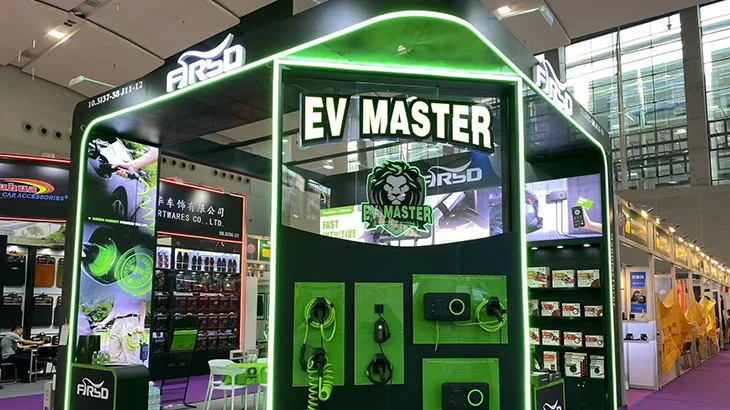
As an important international trade fair, the Canton Fair attracts merchants from all over the world to come and discuss cooperation. From April 15 to May 5, Aolu Industry and Trade Co., Ltd. participated in the fair with its core products and exchanged ideas with merchants from home and abroad.
Find out more about our news >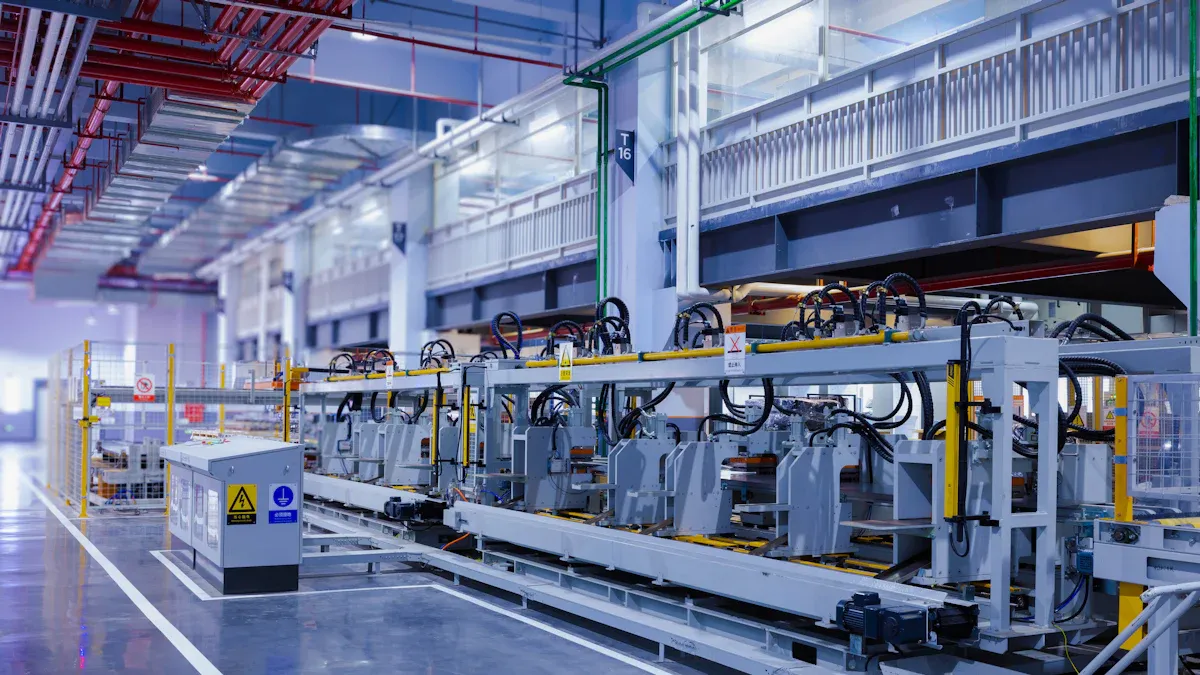
When selecting a cargo nets factory for automotive or outdoor projects, check material quality, certifications, customization, and production capacity.
Find out more about our news >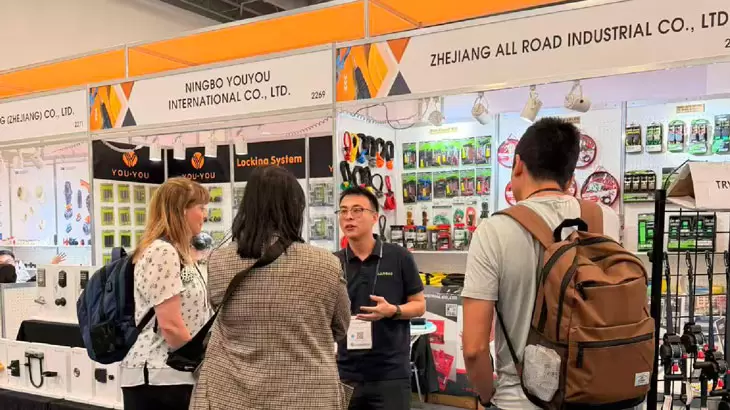
As morning light bathes the Las Vegas Convention Center, the annual flagship event for the global hardware and auto parts industry — the 2026 National Hardware Show (NHS, Concept to Commerce) — grandly kicked off from March 31 to April 2. ZHEJIANG ALL ROAD INDUSTRIAL and Trade Co., Ltd. (hereinafter referred to as “ZHEJIANG ALL ROAD”) showcased its core auto parts and hardware tool product lines,
Find out more about our news >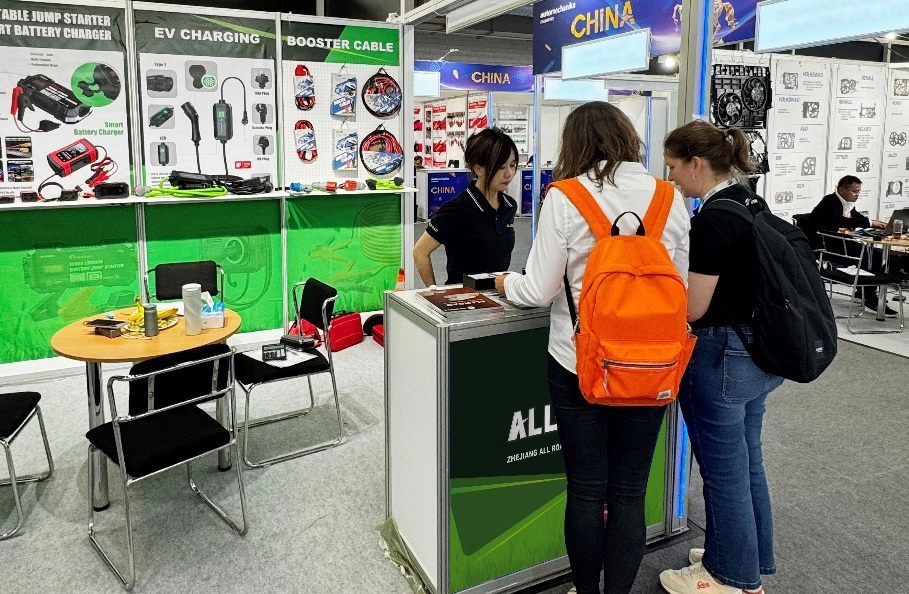
In the face of natural disasters, housing crises, or the need for rapid public infrastructure, the ability to deploy high-quality safe, and durable shelters is paramount. For Government Procurement Officers and NGOs.
Find out more about our news >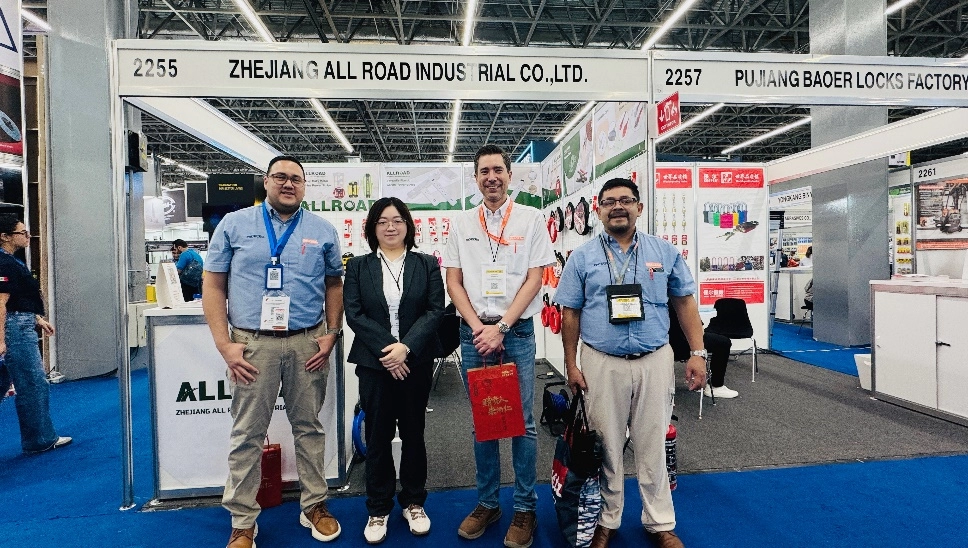
Zhejiang All Road Industrial Co.,Ltd. participated in the Mexico National Hardware Expo with its core products, using this opportunity to deepen its presence in the Latin American market and learn from cutting-edge industry practices.
Find out more about our news >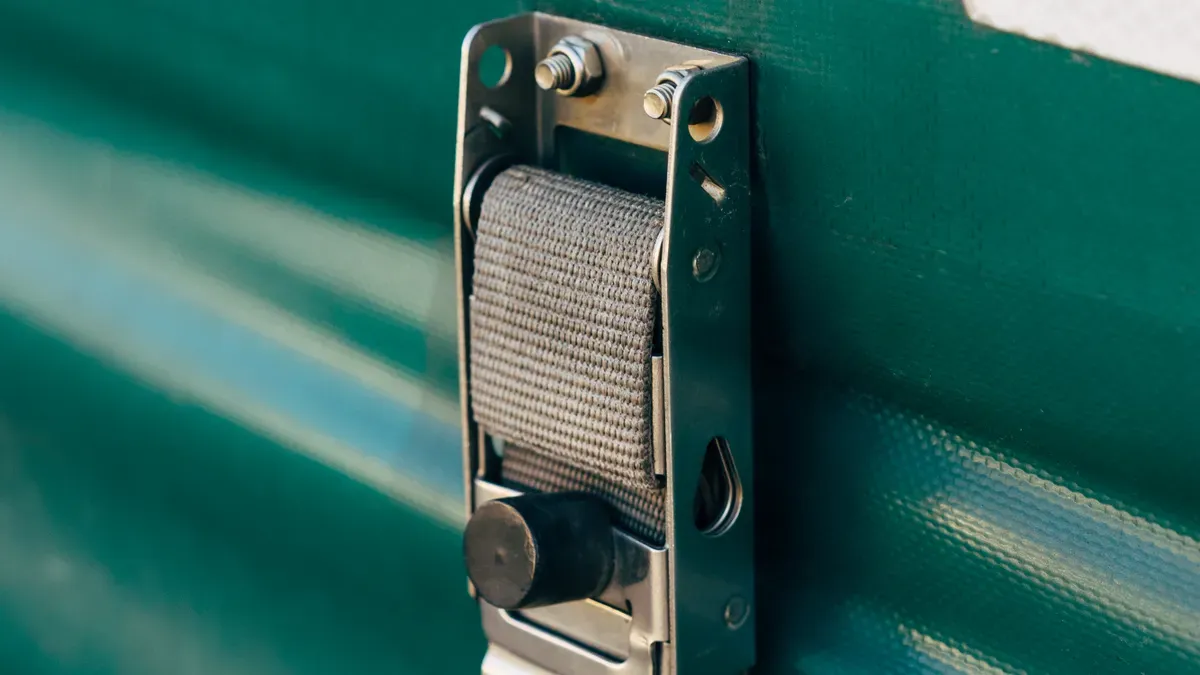
To recommend a Chinese factory for heavy duty cargo straps, check ISO certifications, third-party testing, and export experience. Verify compliance and support.
Find out more about our news >