
 EN
EN
 English
 Vietnamese
 繁体中文
繁体中文 Italian
 Spanish
 Thai
Thai Japanese
 Portuguese
 Korean
 Russian
 French
 German
 Arabic
Stay Updated with Allroad’s
Industry Knowledge
Industry Trends, Product Knowledge & Global Trade Insights

Industry Trends, Product Knowledge & Global Trade Insights
A weak cargo net breaks when you need it most. You could lose your load, a customer, or both. That trouble often starts with picking the wrong cargo nets factory. This post shares the top things to check before you sign any contract. These points work for automotive and outdoor projects. In both areas, safety and durability are a must. You need cargo nets that hold up in real use. Bad quality nets can let items shift or fall during transport. That puts safety and stability at risk on every trip. Use this simple checklist when you compare suppliers. It will help you pick a factory that keeps cargo secure during transit every time.
Pick a factory that uses tough materials, such as polyester or nylon, to make cargo nets that last.
Custom sizes and designs make sure your truck or UTV gets a perfect fit.
Look for certifications such as ISO 9001 and DOT to make sure the nets are safe and good quality.
Check how much a factory can make and how fast it ships. This helps you avoid late orders and missed sales.
Don't just pick the lowest price. Focus on good quality and clear communication for success that lasts.
The material you pick decides how long your cargo net lasts and how much weight it can hold. A factory that uses cheap raw materials will send you nets that sag, rip, or break under a load. You need to know exactly what goes into the webbing before you order. The right material strength and mesh density keep your cargo safe on every trip.
Four materials are used most for cargo nets: polyester, polypropylene, nylon, and Kevlar. Each one acts in a different way when weight is put on it. Polyester only stretches 2–3%, which stops cargo from sliding during transport. Nylon stretches 15–20%, so it takes shock well but moves more when pulled tight. Polypropylene stretches 5–7% and works for light jobs. Kevlar stays very strong under heat and handles temperatures up to 800°F, but it costs a lot more.
Material | Stretch Resistance | Durability Characteristics |
|---|---|---|
Polyester | Very little stretch (2–3%) | Great UV resistance, strong against rubbing, holds its shape well; best for heavy loads and outdoor cargo nets |
Nylon | Stretches a lot (15–20%) | Great strength for its weight; good at taking shock but holds its shape less well |
Polypropylene | Stretches some (5–7%) | Light, stands up to UV, chemicals, and moisture; not as strong as polyester or nylon; good value for light use |
Kevlar (aramid) | Very strong and keeps its strength under heat | Handles temperatures up to 800°F; used in extreme conditions; costs a lot more |
Strong fibers like these give industrial cargo nets their power. Ask your factory for material datasheets and third-party test reports. Those papers prove the material strength and weight capacity you pay for.
Nylon and polyester each have clear strengths and weaknesses. Nylon stands up to rubbing at a high level. It handles rough cargo, sharp edges, and repeated loading without wearing out fast. Polyester stands up to UV light, mildew, rot, and moisture at a high level. It keeps its shape and strength under sunlight and temperature changes.
Nylon resists rubbing very well, handling rough cargo, sharp edges, and repeated loading and unloading; it is often used in work, fleet, and emergency jobs.
Nylon's weak spot is long-term UV exposure: without treatment or coatings, long time in the sun can slowly break the material down.
Polyester resists UV exposure and weather very well, keeping its strength and shape longer under sunlight, moisture, and temperature changes.
Polyester lasts a long time but may not match nylon's resistance to rubbing in every case.
For outdoor exposure, polyester does well in sunlight and changing weather, while nylon holds up overall but does better with UV protection.
For outdoor projects, polyester webbing material gives you cargo nets that last season after season. For fleet and recovery work, nylon gives you the resistance to rubbing you need. Match the material to your job, and check load stability and durability with test data before you commit.
A stock cargo net rarely fits a real truck bed or a UTV rack. Custom sizes, mesh openings, edge finishes, and attachment hardware matter for automotive and outdoor use. You need a factory that builds to your dimensions, not one that pushes a catalog item. Ask for custom sizing, reinforced edges, and the right hooks, straps, or mesh webbing for your load.
Measure your truck bed length before you order. A 5' to 5.5' short bed takes a short cargo net, which suits compact and mid-sized trucks. A 5.5' to 6.5' standard bed fits most full-sized trucks. A 6.5' to 8' long bed needs a long cargo net for heavy-duty pickups. If your load rises above the bed rails, size up. A 5.5' bed with cargo more than 1' above the rails should use a long cargo net.
Mesh size controls what stays inside the net. Large 6×6 inch squares hold bulky items. Smaller 2×2 inch openings contain tools, small boxes, and loose material. Cargo net mesh openings typically run from 2 to 8 inches. Pick the mesh size around the smallest item you haul.
UTV cargo nets need a different build than truck nets. A UTV cargo net must match the rack shape, the tie-down points, and the roll cage geometry. Cylinder and liquid container nets also need special designs, because round loads shift and roll. Give the factory your load specifications, dimensions, and rating evidence before you request a custom order. Send a dimensioned template for non-rectangular areas, plus an anchor map for your vehicle cargo nets.
A strong anchoring system keeps the net tight. Confirm the connector type, the tensioning method, and the corrosion protection on every hook. This protects safety and durability across seasons of use.
Certifications show that a factory meets safety and quality rules. They prove the factory follows known standards for making and testing products. You should see these papers as real proof, not just sales talk. A good cargo nets factory will share certificates right away.
Look for ISO 9001:2015 as a basic one. It covers quality management system compliance for products. For fleet use in the United States, DOT rules apply straight to cargo nets and tiedown assemblies.
Certification / Standard | What It Confirms |
|---|---|
AS/NZS 4380.2001 | Directly addresses automotive cargo restraint safety; requires yearly compliance audit |
ISO 9001:2015 | Meets quality management system rules |
AIAG & SEMA LTAA membership | Indicates alignment with automotive industry and specialty equipment standards |
Certified DBE Company: DGS, NMSDC, DOT, MBE, 8(a) | Includes DOT certification, relevant to transportation safety and regulatory compliance |
Independent testing and certification by a licensed professional engineer (State of California) | Provides third-party verification of product safety and performance |
The Working Load Limit (WLL) is the most weight your cargo net can safely hold during use. The WLL must be equal to or greater than half of the load being secured. This rule keeps transportation safe on every trip.
The total WLL of your securement system must be at least half the weight of the items being secured.
The WLL is always lower than the breaking strength, with a usual safety factor of 3:1 for tie-down straps.
Unmarked tiedowns carry the lowest rating for that type, so always buy marked products.
DOT rules also require checks of ratchet mechanisms, cam buckles, and cargo nets before each trip. You must check secured loads before leaving, within 50 miles, and every 3 hours or 150 miles. These checks protect stability and durability on long hauls. Always confirm the weight capacity rating before you buy.
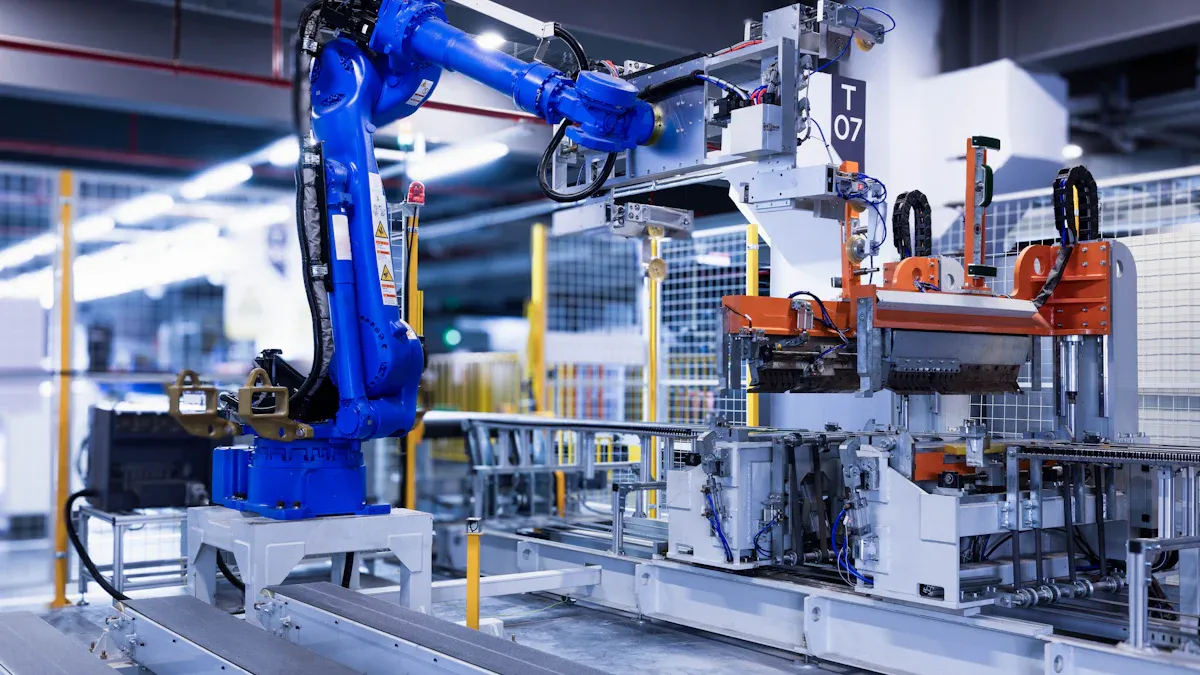
A factory with strong capacity handles your bulk orders and repeat orders without delay. Weak capacity means missed deadlines and unhappy customers. You need a cargo nets factory that scales with your business. Ask about monthly output, manufacturing sites, and how the factory manages inventory. These answers reveal whether the factory can grow with your order volume.
Ask the factory about its manufacturing sites and monthly output. A factory with multiple sites can spread production across locations. This setup protects your order from delays at a single plant. Lean inventory practices also matter. Factories that hold minimal stock based on demand reduce carrying costs and waste. They plan dynamically instead of following fixed schedules.
Parameter | Traditional Inventory Management | Just-In-Time (JIT) Logistics |
|---|---|---|
Inventory Levels | High inventory storage | Minimal inventory based on demand |
Delivery Planning | Fixed schedules | Dynamic planning based on demand |
Supplier Dependency | Moderate | High, requiring dependable suppliers |
Risk During Disruptions | Lower inventory risk but higher carrying cost | Higher disruption risk without visibility |
Delivery Performance | Depends on inventory availability | Depends on visibility and coordination |
Rapid product turnover keeps your cargo nets moving through production fast. A factory with lean practices and strong supplier relationships delivers cargo nets on time. Ask how the factory tracks on-time delivery rate and supplier lead time variability. These metrics show real performance.
Request references or case studies from the factory. Past performance predicts future results. A factory with a strong on-time delivery record protects your schedule. Long lead times cause lost sales, rush shipping costs, and reduced customer trust. They also hurt your market agility.
Ask the factory about its perfect order fulfillment rate. This metric tracks full, undamaged, correctly documented deliveries. Factories that monitor this rate care about transportation and logistics performance. They align goals across sales, production, procurement, and logistics teams. This alignment improves on-time, in-full delivery. A factory with subsidiaries or joint-venture sites abroad often signals reliability and global reach. Verify delivery claims with real data before you commit. Your safety and durability standards depend on a factory that ships on time, every time.
A low price often hides weak materials, thin webbing, and bad stitching. The cheapest cargo nets factory rarely gives the best value for automotive and outdoor projects. You save money at first, then pay again through returns, replacements, and lost customers. Treat price as one factor among many, not the one that decides everything. Compare quotes against material grades, certification proof, and delivery records. A fair price for strong cargo nets beats a cheap price for nets that fail in the field.
Cost-effectiveness means you get full value for every dollar you spend. Ask the factory to break down material costs, labor, testing, and shipping. A clear quote shows where your money goes. Factories that hide these details often cut corners on safety or durability. Ask for samples before you commit to a bulk order. Test the webbing strength, the hook finish, and the mesh consistency yourself. A factory that stands behind its cargo nets will send samples without hesitation.
How fast a factory communicates tells you how it treats its customers. A supplier that answers questions within a day will likely handle production issues the same way. Check OEM service capability before you sign. Ask whether the factory offers in-house research and development, custom branding, and private labeling. Years of export experience also matter. A factory with a long export history understands customs rules, packaging standards, and regional compliance. Factories with subsidiaries or joint-venture sites abroad often signal reliability and global reach. These operations show the factory can serve international buyers and grow with your business. Ask for client references and case studies. Past performance reveals how a factory handles deadlines, quality claims, and repeat orders. Choose a partner that communicates clearly and delivers consistently.
You now have a clear checklist for choosing a cargo nets factory. Material quality, customization, certifications, production capacity, pricing, communication, and reputation all shape your final product. Each factor protects your investment and your customers.
The cheapest option rarely serves automotive and outdoor projects well. Low prices often mean weak materials and poor safety. Strong cargo nets cost a fair price, and they deliver real durability across every season.
Use these factors as your comparison tool. Request samples, ask hard questions, and verify every claim before you commit. A factory that answers openly and ships on time will keep your cargo secure and your business growing.
Polyester stands up well to UV light, mildew, and moisture. It holds its shape in sunlight and temperature changes. Nylon handles rubbing better for rough cargo and fleet work. Match the material to your job. Ask your factory for material datasheets and third-party test reports before you order.
The Working Load Limit must be equal to or greater than half the load you secure. Ask the factory for marked products with clear WLL ratings. Unmarked tiedowns carry the lowest rating for that type. Check ratchet mechanisms and buckles before each trip. Confirm weight capacity ratings before you buy.
Yes. A reliable factory builds utv cargo nets to fit your rack shape, tie-down points, and roll cage geometry. Send a dimensioned template for non-rectangular areas. Provide an anchor map for your vehicle. Confirm connector types and corrosion protection. Custom utv cargo nets fit better than stock options.
Lead times depend on factory capacity and monthly output. Factories with multiple manufacturing sites spread production across locations. This setup protects your order from single-plant delays. Ask about on-time delivery rates and perfect order fulfillment metrics. Request references or case studies to confirm past performance.
Low prices often mean weak materials, thin webbing, and bad stitching. The cheapest option rarely serves automotive and outdoor projects well. You save money at first, then pay through returns and lost customers. Compare quotes against material grades, certification proof, and delivery records. A fair price for strong utv cargo nets beats a cheap price for nets that fail.

Ensure your import business thrives by checking these 5 critical factors in a dependable supplier of hardware tools, from quality to communication.
Find out more about our news >
Learn how to vet Chinese manufacturers for ratchet tie down straps: verify credentials, request samples, and conduct inspections to secure a reliable wholesale partner.
Find out more about our news >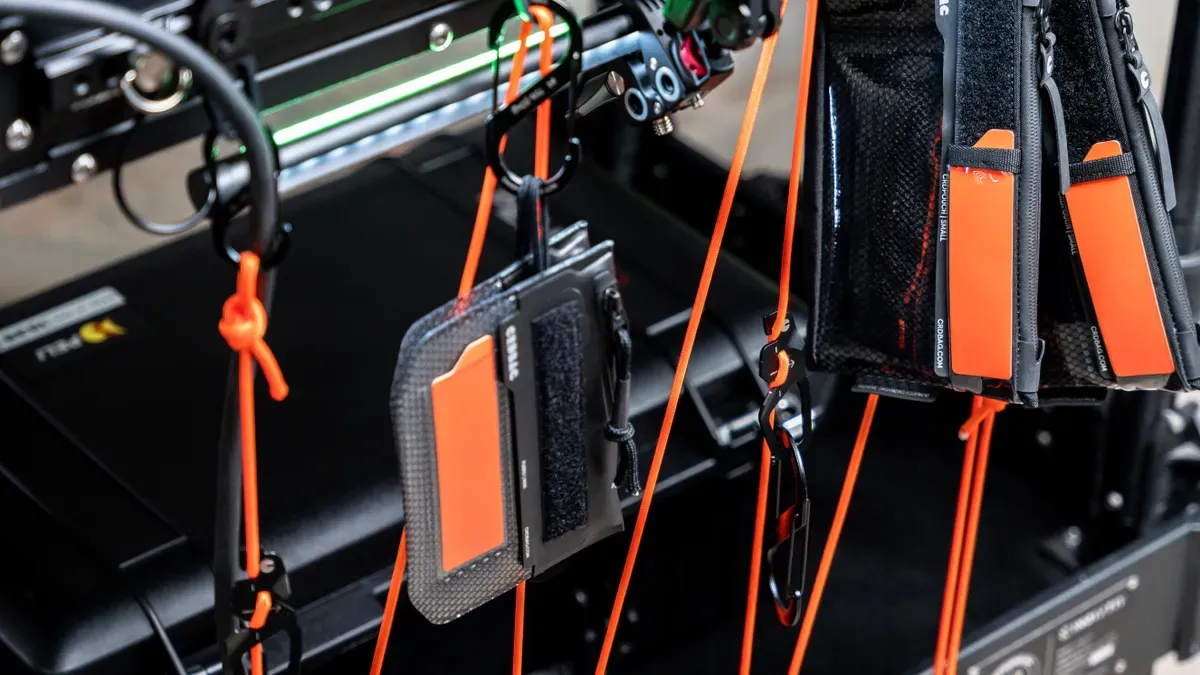
To find a reputable luggage strap manufacturer in China, research hubs, vet credentials, test samples, and negotiate clear terms to protect your brand.
Find out more about our news >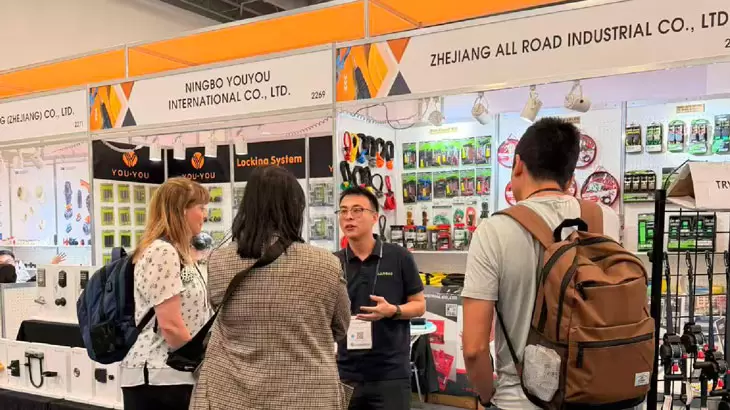
As morning light bathes the Las Vegas Convention Center, the annual flagship event for the global hardware and auto parts industry — the 2026 National Hardware Show (NHS, Concept to Commerce) — grandly kicked off from March 31 to April 2. ZHEJIANG ALL ROAD INDUSTRIAL and Trade Co., Ltd. (hereinafter referred to as “ZHEJIANG ALL ROAD”) showcased its core auto parts and hardware tool product lines,
Find out more about our news >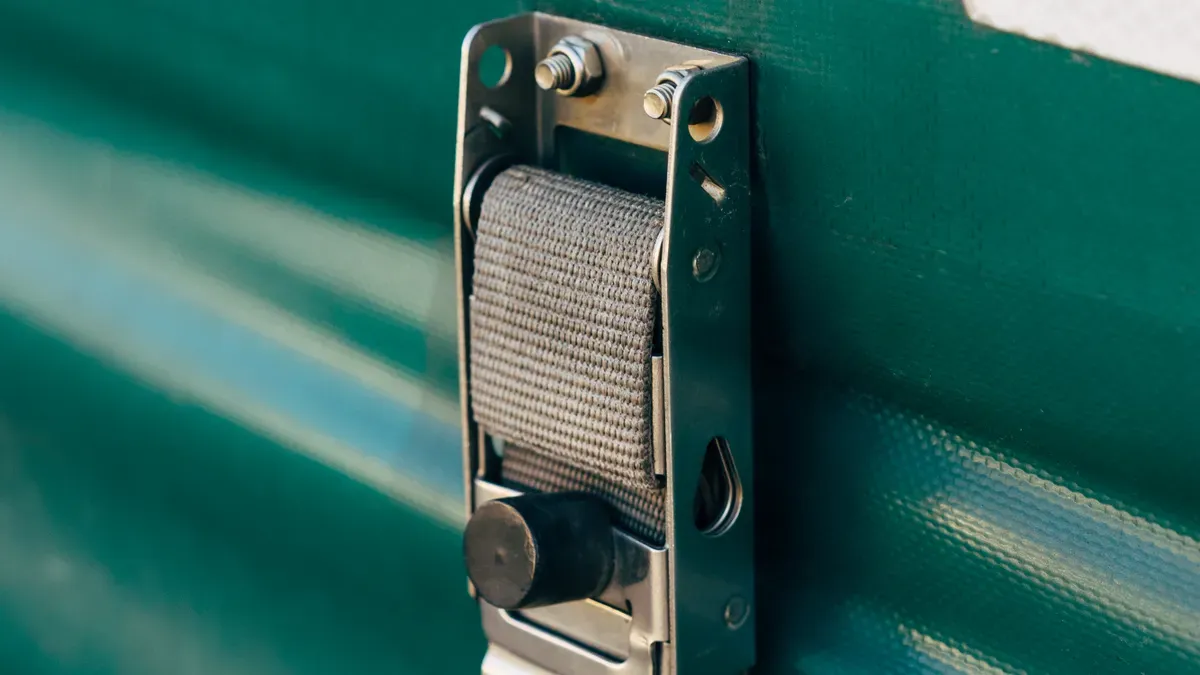
To recommend a Chinese factory for heavy duty cargo straps, check ISO certifications, third-party testing, and export experience. Verify compliance and support.
Find out more about our news >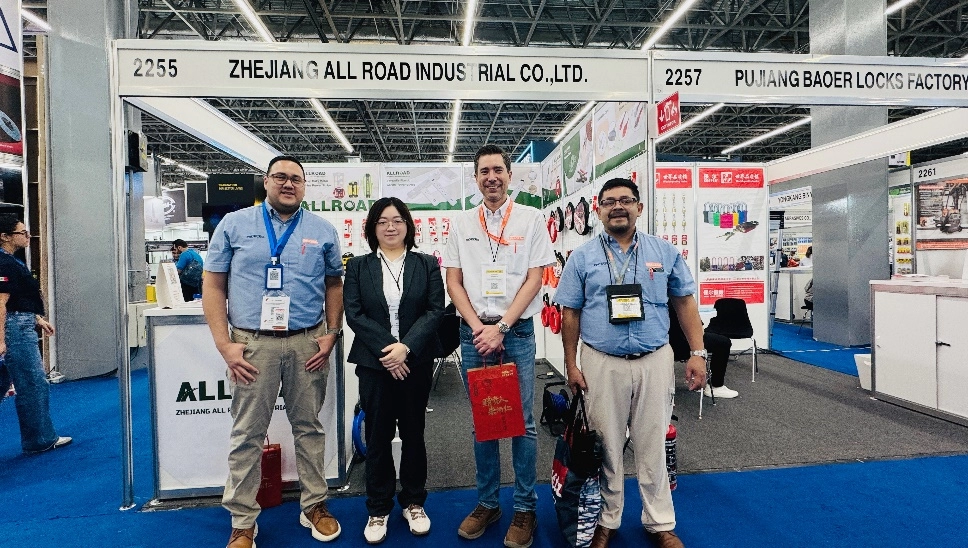
Zhejiang All Road Industrial Co.,Ltd. participated in the Mexico National Hardware Expo with its core products, using this opportunity to deepen its presence in the Latin American market and learn from cutting-edge industry practices.
Find out more about our news >