
 EN
EN
 English
 Vietnamese
 繁体中文
繁体中文 Italian
 Spanish
 Thai
Thai Japanese
 Portuguese
 Korean
 Russian
 French
 German
 Arabic
Stay Updated with Allroad’s
Industry Knowledge
Industry Trends, Product Knowledge & Global Trade Insights

Industry Trends, Product Knowledge & Global Trade Insights
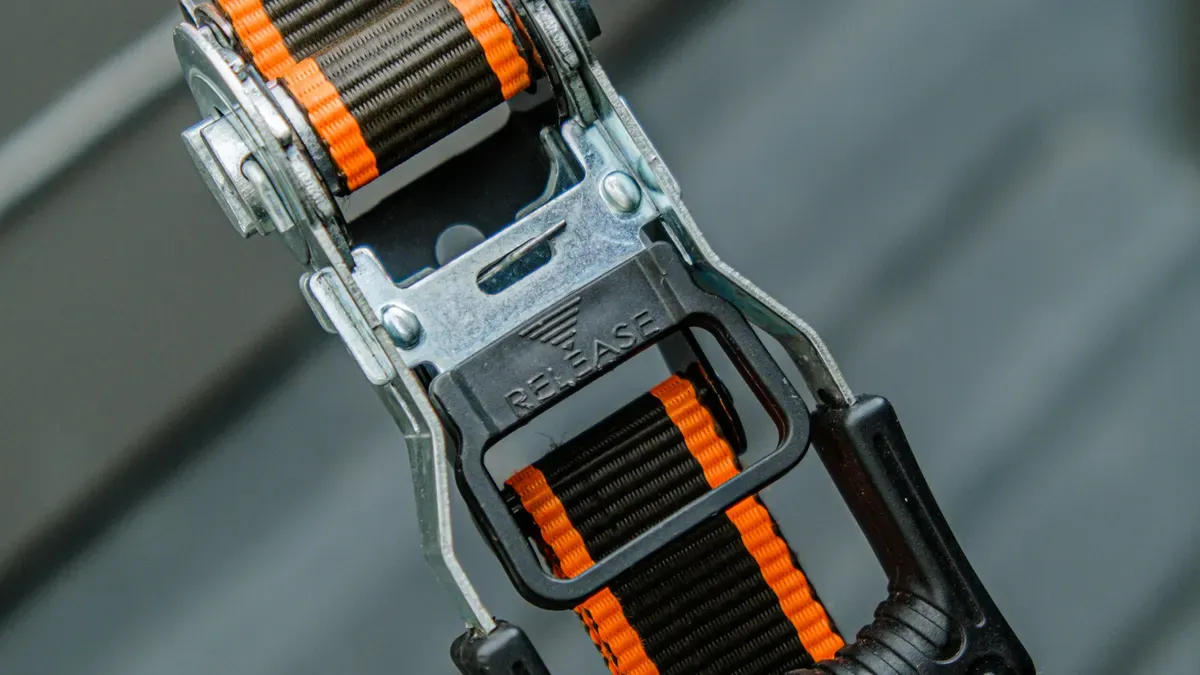
You have a big task: finding a reliable manufacturer of ratchet tie down straps in China. The market has many choices, but telling real factories apart from fake middlemen takes care. A clear, step-by-step checking process gives you the answer.
This method stands on five main parts: Research, Verification, Communication, Quality Control, and Logistics. Each part builds on the one before it. Together they make a full screening method. By following this careful plan, you lower the risk of bad webbing or losing money.
Your trip starts with setting exact specifications. Then it moves through credential checks, sample reviews, and pre-shipment inspections. This article walks you through each stage. It gives you practical ways to lock in a dependable wholesale partner.
First, decide exactly what your product needs to have. This step creates a strong start for finding and buying parts safely and easily.
Look into manufacturers closely and confirm they are real. Check their paperwork, audits, and references so you don't get tricked by fake middlemen.
Ask for and try out samples before you buy. This shows quality and helps you avoid expensive errors.
Do pre-shipment inspections. They find problems early and keep your money safe.
Build a long-term partnership with clear communication and regular checks. This keeps quality and supply steady.
Specifications are the base of your whole sourcing process. You must know exactly what you need before you talk to any supplier. Start with the working load limit, not the break strength. The working load limit is the most weight a strap can safely handle during normal use. The break strength is the point where the strap fails. A strap with a 5,000 lbs break strength usually has a 1,667 lbs working load limit. That safety gap covers sudden stops, sharp turns, and road shaking.
Rating | Meaning |
|---|---|
Break Strength | 5,000 lbs. |
Working Load Limit | 1,667 lbs. |
Next, pick your webbing material. Polyester handles sun damage and stretching better than nylon for most cargo jobs. Then choose your hook types. J-hooks fit standard anchor points. Flat hooks work well with flatbed trailers. Your specifications sheet should list every detail: strap width, length, color, and hardware finish.
Certifications decide which markets will accept your product. CE marking opens the European market. GS certification adds a safety approval for European buyers. DOT compliance matters for automotive and transportation uses in the United States. You should list every required certification before you ask for quotes.
A manufacturer with many certifications makes your sourcing easier. This company holds CE, GS, and ISO certifications. A supplier with these credentials already meets the compliance rules for many big markets. You avoid the cost and delay of testing a new supplier from scratch. Ask every possible manufacturer for their certificate copies and check the issuing groups. This step keeps your business safe from customs seizures and product liability claims.
You now have a clear specifications sheet. The next step is finding suppliers who can meet it. Start with big B2B platforms. Made-in-China.com and Alibaba.com have thousands of suppliers. These sites let you filter by product type, certification, and years in business. You can send inquiry messages to many companies at once. Compare their responses side by side.
Industry trade shows give you a different advantage. The Canton Fair happens twice a year in Guangzhou. You can meet factory representatives face to face. You can touch samples and ask direct questions. Trade shows also let you visit nearby factories during the same trip. This saves time and travel costs.
Some manufacturers focus on specific product types. You might find a supplier who only makes auto tie down straps. Other companies are direct factories that control the whole production process. These factories make webbing and hardware in-house. They offer deeper customization and private-label options. Trading companies may only trade or assemble products. They offer limited customization compared to a direct factory. You should always ask if the supplier owns the factory or acts as a middleman.
A company profile tells you a lot about reliability. Look for the year the company was founded. Check how many years they have exported to your region. A supplier with a long export history knows your market rules. They understand customs paperwork and shipping timelines.
Examine their product range. A focused manufacturer often delivers better quality than a company selling everything. Read their certifications carefully. Cross-check certificate numbers on the issuing body's website. Ask for their main export markets. A supplier shipping to Europe must meet CE rules. A supplier shipping to America needs DOT compliance for certain products.
You can also ask for a list of past clients. Some suppliers will share references. Contact those references and ask about product quality and delivery times. This step takes effort. It also saves you from costly mistakes later.
Finding a reliable manufacturer of ratchet tie down straps in China requires patience at this stage. Do not rush. A supplier with strong credentials and a clear export record will serve you well. A supplier with vague answers or missing documents will cause problems. Trust your research. The right partner is worth the search.
You have a shortlist of suppliers. Now you must check their claims. Start with the basic papers. Ask each candidate for a business license, tax registration, and export license. A real factory will share these without delay. A trading company may stall or make excuses. Make sure the license name matches the company name on the B2B site. Look at the registration date. A factory running for ten years is more stable than one started last year.
Third-party audits add more safety. Firms like SGS and Bureau Veritas check factories for you. They confirm production capacity, equipment quality, and worker conditions. An audit costs money but prevents costly errors. You can ask the supplier for an existing audit report. You can also pay for a new audit on a shortlisted factory. The report shows if the factory truly owns its lines or outsources work.
Ask for technical papers that prove product quality. You can request lab and third-party test reports from any serious maker. Review the patents to see if they cover the strap designs you need. Check the test reports for break strength results and material makeup. A supplier with this much documentation shows they care about quality. A supplier with no test data may hide production issues.
Document checks give you the paper trail. References give you real proof. Ask each maker for contact details of three past clients. Reach out to those clients directly. Ask about product consistency, on-time delivery, and after-sales help. A reliable manufacturer of ratchet tie down straps in China will have happy customers willing to talk. A supplier with unhappy clients will find it hard to give references.
Search for independent reviews beyond the supplier's own site. Check trade forums, industry groups, and social media pages. Look for complaints about webbing quality, hardware failure, or missed deadlines. Notice how the maker handles negative feedback. A company that fixes problems openly shows honesty. A company that ignores criticism signals future trouble.
You can also verify certifications through issuing bodies. CE certificates come from notified bodies listed in official databases. ISO certificates appear on accreditation registries. Cross-check every certificate number you get. Some suppliers copy certificates from other factories. This fraud shows up when you check the number against the official list. Take extra minutes to confirm each document. This step protects your whole investment.
The verification stage separates real factories from middlemen. You invest time now to avoid losing money later. Request every document, order audits, and contact references. Your care builds a base for a long-term partnership.
How fast and clear a supplier talks shows what they are really like before you spend any money. A good maker of ratchet tie down straps in China replies within one work day. They answer every point in your spec sheet. They give clear numbers on breaking force, lashing capacity, standard tension force, and safety factor. Vague answers or slow replies point to bigger issues. If a supplier cannot handle basic product questions quickly, they will likely miss deadlines and make quality mistakes.
Watch how the sales team handles your technical questions. Do they explain things fully? Do they offer fixes when you bring up problems? One buyer said this about a strong supplier:
The customer service representative explained very detailed, service attitude is very good, reply is very timely and comprehensive, a happy communication! We hope to have a opportunity to cooperate.
Buyers who stick around often talk about steady support. They say things like "whenever I have some problems need you to solve, I got really strong help from you." That steady pattern of help separates real factories from simple order-takers.
Pre-production samples check your design choices. You look at size, hook shape, and label placement. Mass production samples prove the factory can repeat that quality for the whole order. Ask for both types before you approve any purchase.
Follow a clear testing order:
Ask for test reports against EN 12195-2 covering lashing capacity, stretch, handle wear, rubbing, sun exposure, moisture, and repeated ratchet use.
Require tests on finished straps, not just fabric. Ask for dated reports that show test methods and production batch numbers.
Check the physical sample for even stitching, clear labels, traceable batch numbers, smooth hook movement, good webbing, no rough edges, and no uneven seams.
Compare the stated breaking force with the working load limit. Reject any supplier who mixes up the two numbers.
Compare sample quality with production units. Set acceptance rules before you approve the full run.
Think about independent retesting for big orders or rough shipping routes. A certificate may cover only one sample. Keep retesting as part of your buying process, because a supplier may pass one lab test but fail after long storage.
A pre-shipment inspection finds problems before your container leaves the factory. You can do this check yourself or hire a third-party agency. Both choices work well. Third-party firms like SGS or Bureau Veritas send trained inspectors to the factory. They check random samples from your production batch. They make sure the goods match your approved samples and specifications.
Schedule the inspection after production ends but before packing. This timing lets the factory fix problems while materials and workers are still there. Leading manufacturers build quality checks into their production lines. They know that a buyer who finds defects after shipment becomes an unhappy customer. Ask your shortlisted suppliers about their internal inspection procedures. A factory that welcomes inspections shows confidence in its work.
Your inspector should look at three critical areas: webbing, stitching, and hardware. Start with the webbing. Look for fraying along the edges. Check for loose fibers or uneven weaving. Run your hand along the strap surface. A smooth, consistent texture shows quality polyester. Any rough patches or thin spots mean weak material that may fail under load.
Next, look at the stitching. Count the stitches per inch along the sewn loops and joints. Dense stitching spreads stress evenly across the webbing. Sparse stitching creates weak points where the strap can tear. Check that thread tension stays consistent throughout each seam. Loose threads or skipped stitches mean the assembly will come apart during heavy use.
Finally, test the hardware durability. Check each ratchet mechanism for smooth operation. The handle should engage and release without sticking. Look at the hooks for cracks, burrs, or rough edges. Make sure the hook tensile strength matches your specification sheet. A reliable manufacturer of ratchet tie down straps in China will give you test data showing hook performance under load. Compare this data against your requirements before approving the shipment.
Write down every inspection result. Take photos of any defects you find. Share these findings with the factory right away. Clear feedback helps them fix issues before the next production run. This inspection step protects your investment and builds trust with your supplier.

Price talks begin after quality checks pass. You need a clear quote that lists every cost. Ask for the unit price, mold fees, packaging charges, and export documentation costs. A vague quote hides extra fees that appear later. Compare quotes from three shortlisted factories. Look for the lowest total cost, not just the lowest unit price.
Payment terms protect both sides. Common options include T/T (telegraphic transfer) and L/C (letter of credit). T/T moves money directly from your bank to the supplier's account. L/C uses a bank guarantee that releases payment only when shipping documents arrive. First-time buyers should avoid 100% upfront payments. A reliable manufacturer of ratchet tie down straps in China accepts a 30% deposit and 70% balance before shipment. This split protects you from losing everything if production fails.
Incoterms define who pays for shipping and who owns the goods at each stage. FOB (Free On Board) means the seller delivers goods to the port and loads them onto your chosen vessel. You handle ocean freight and insurance. CIF (Cost, Insurance, Freight) means the seller pays for shipping and insurance up to your destination port. Choose FOB when you have a trusted freight forwarder. Choose CIF when you want the factory to manage the entire shipping process.
Lead times affect your inventory planning. Ask each supplier for their production schedule. A standard ratchet strap order takes 30 to 45 days from approval to completion. Factor in sample approval time and holiday closures. Chinese factories close for two weeks during the Lunar New Year. Plan orders around this break to avoid delays.
Customs clearance requires accurate paperwork. Your supplier should provide a commercial invoice, packing list, and certificate of origin. These documents match your product description exactly. Any mismatch triggers customs holds and extra fees. Work with a customs broker who knows your country's import rules for cargo control products.
A manufacturer's global footprint simplifies logistics. Ask your shortlisted suppliers about their overseas offices or warehouse partners. A supplier with regional support solves shipping problems faster than one operating only from China.
Your goal is not just one order. You want a steady supply chain that gives you quality straps every year. Clear communication makes this happen. Set up a direct line to your main contact at the factory. Share your production calendar and sales forecasts. This helps the factory plan materials and labor ahead of time.
Create a simple feedback loop. Report any quality issues within days of receiving goods. Share photos and batch numbers. Ask the factory to explain what went wrong and how they will fix it. A reliable manufacturer of ratchet tie down straps in China welcomes this honesty. They use your feedback to improve their processes. Schedule regular video calls or emails to review performance. This habit keeps small problems from growing into big ones.
A yearly supplier audit keeps quality on track. Visit the factory or hire a third-party firm to check their operations. Your audit should cover their quality control processes, team expertise, and certification status. Confirm that certificates like CE, GS, and ISO 9001:2015 remain valid. Check for WSTDA membership as a sign of industry engagement. These credentials prove that load capacity claims have been tested against recognized standards.
Look for manufacturers with in-house research and development. OEM and ODM services through an in-house R&D team show a strategic partner, not just a vendor. They can design custom straps for your market and adjust production as your needs change. Plan annual audits and keep an open feedback loop. This cycle of review and improvement protects your supply chain for years.
Your sourcing journey is a full circle. Each step depends on the one before it. Setting specifications keeps every later choice safe. Checking credentials stops costly errors. Testing samples proves quality before you spend money.
This process happens again with every order. Markets shift. Standards change. Your product line expands. Treat each shipment as a new check, not just a regular deal.
The time you put in early pays off later. A clear specification sheet removes confusion. A verified factory gives steady results. A tested sample stops pricey failures.
Think of your manufacturer as a long-term partner. Share your forecasts. Ask for their ideas. Build trust with honest feedback.
Start now. Define your exact product needs first. That one step sets your whole supply chain up for success.
Ask for their business license and photos of the factory floor. Request a video call to see the production lines. Direct factories own their machines and run the manufacturing themselves. Trading companies often stall when you ask for these details. Check that the license name matches the company name on the B2B platform.
Do not pay 100% upfront. A trustworthy supplier takes a 30% deposit and 70% balance before shipment. This split keeps your money safe. Use T/T for smaller orders. Think about L/C for bigger deals. Always put the payment terms in writing before production starts.
CE marking lets you sell in the European market. GS certification adds a safety approval for European buyers. DOT compliance matters for United States markets. ISO 9001:2015 confirms quality management systems. Ask for certificate copies and check the numbers on official registries before you place orders.
Ask for both pre-production and mass production samples. Pre-production samples confirm your design choices. Mass production samples prove the quality stays the same. Test each sample for breaking strength, stitching density, and hardware durability. Compare samples against your specification sheet before you approve any purchase order.
Standard ratchet strap orders take 30 to 45 days from approval to completion. Add time for sample approval and Chinese holiday closures. Factories close for two weeks during Lunar New Year. Plan orders around this break to avoid production delays and missed shipping deadlines.

When selecting a cargo nets factory for automotive or outdoor projects, check material quality, certifications, customization, and production capacity.
Find out more about our news >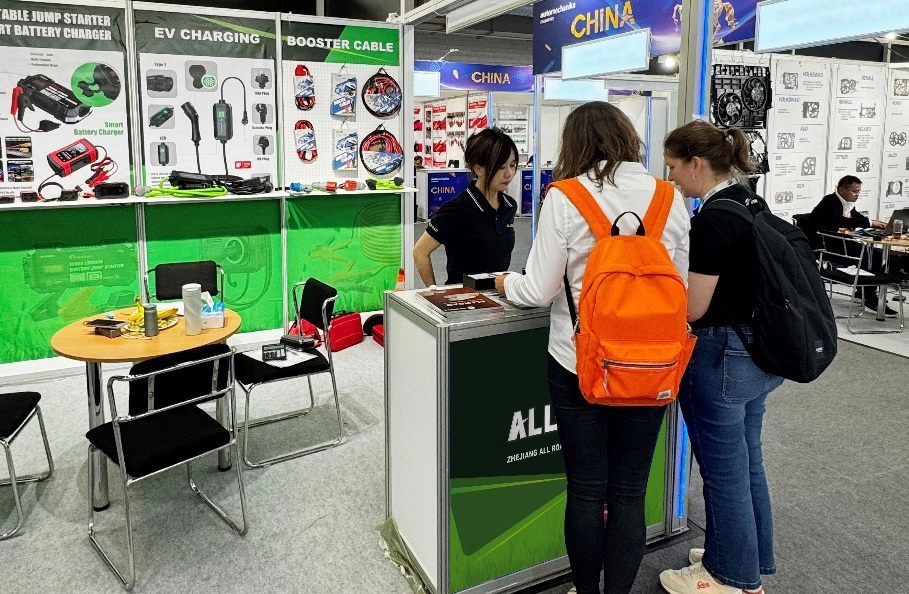
In the face of natural disasters, housing crises, or the need for rapid public infrastructure, the ability to deploy high-quality safe, and durable shelters is paramount. For Government Procurement Officers and NGOs.
Find out more about our news >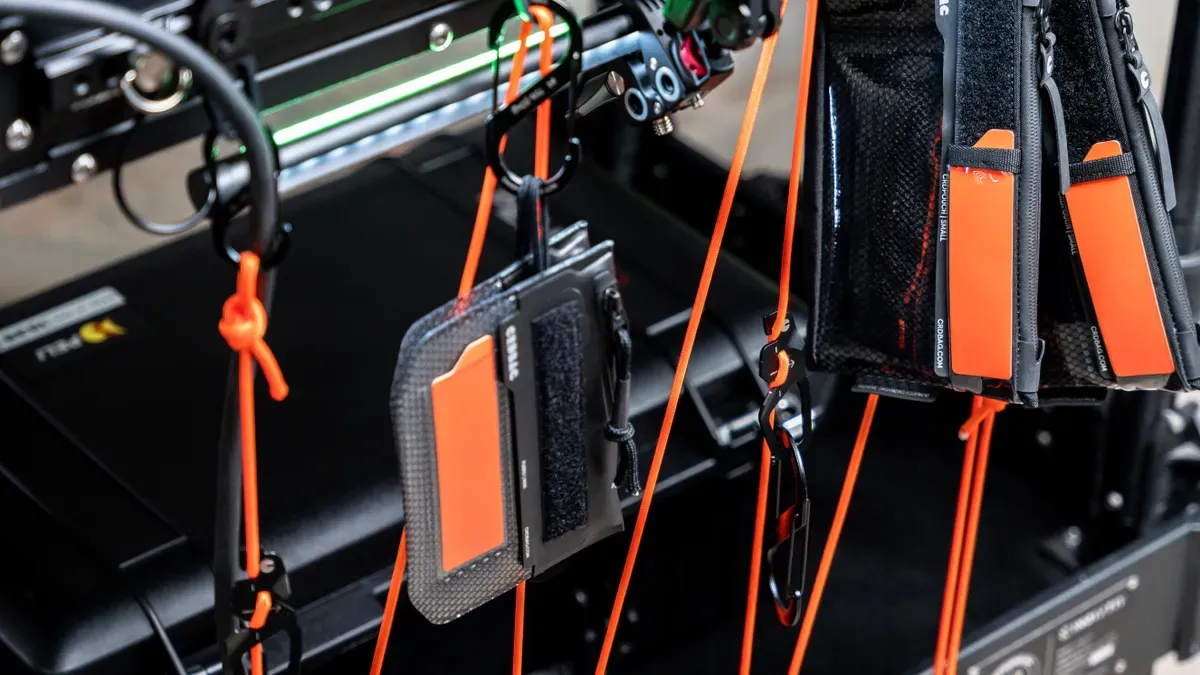
To find a reputable luggage strap manufacturer in China, research hubs, vet credentials, test samples, and negotiate clear terms to protect your brand.
Find out more about our news >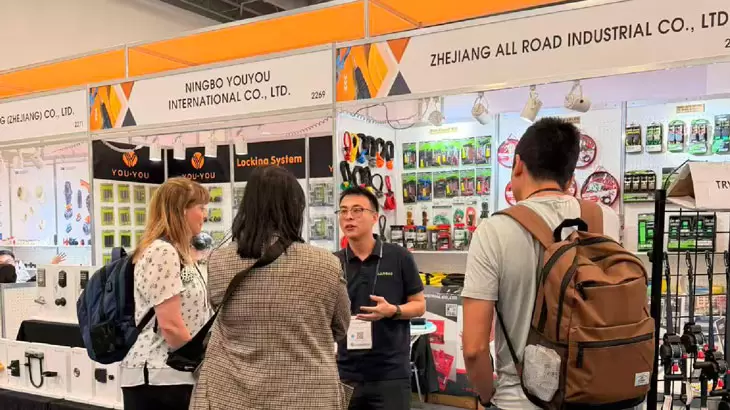
As morning light bathes the Las Vegas Convention Center, the annual flagship event for the global hardware and auto parts industry — the 2026 National Hardware Show (NHS, Concept to Commerce) — grandly kicked off from March 31 to April 2. ZHEJIANG ALL ROAD INDUSTRIAL and Trade Co., Ltd. (hereinafter referred to as “ZHEJIANG ALL ROAD”) showcased its core auto parts and hardware tool product lines,
Find out more about our news >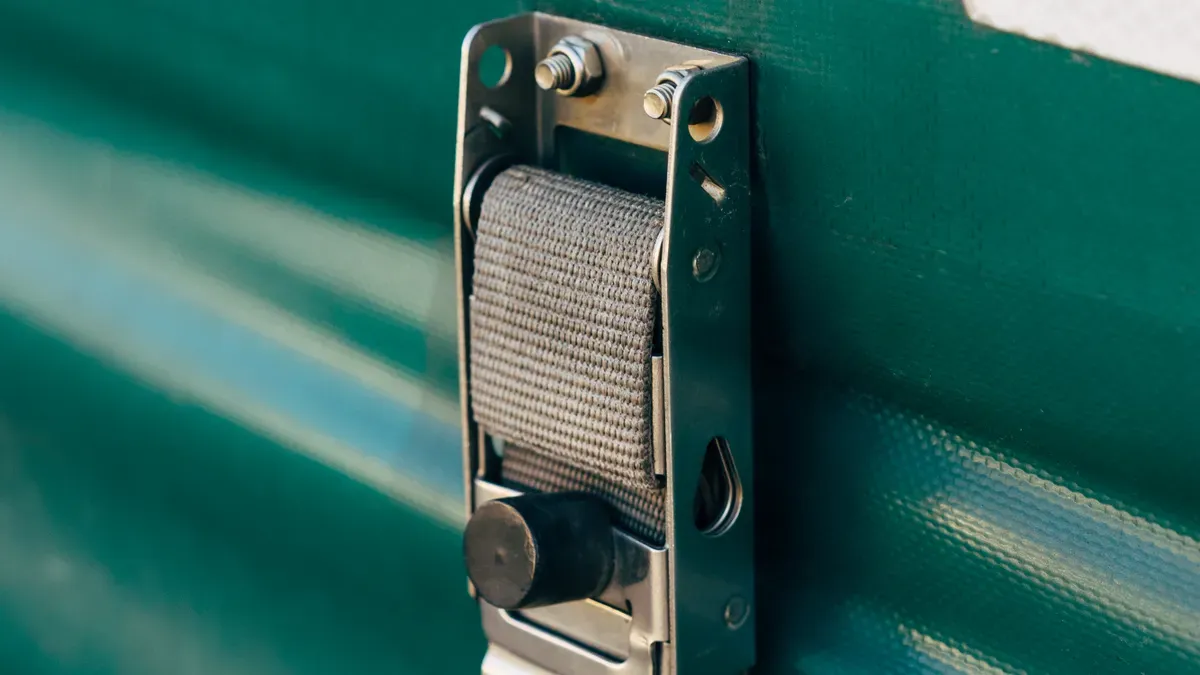
To recommend a Chinese factory for heavy duty cargo straps, check ISO certifications, third-party testing, and export experience. Verify compliance and support.
Find out more about our news >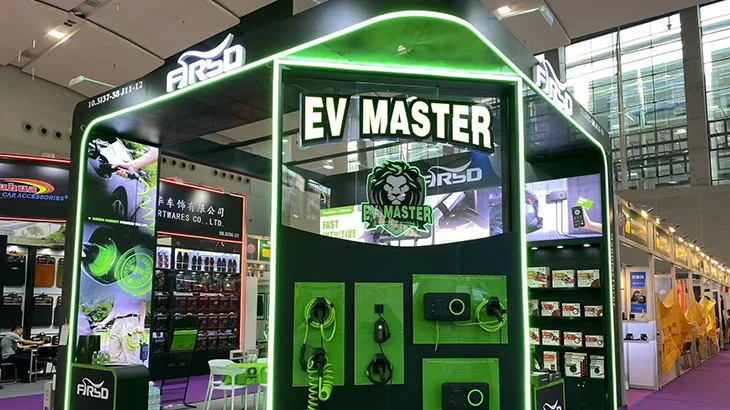
As an important international trade fair, the Canton Fair attracts merchants from all over the world to come and discuss cooperation. From April 15 to May 5, Aolu Industry and Trade Co., Ltd. participated in the fair with its core products and exchanged ideas with merchants from home and abroad.
Find out more about our news >