
 EN
 English
 Vietnamese
 繁体中文
 Italian
 Spanish
 Thai
 Japanese
 Portuguese
 Korean
 Russian
 French
 German
 Arabic
Stay Updated with Allroad’s
Industry Knowledge
Industry Trends, Product Knowledge & Global Trade Insights

Industry Trends, Product Knowledge & Global Trade Insights
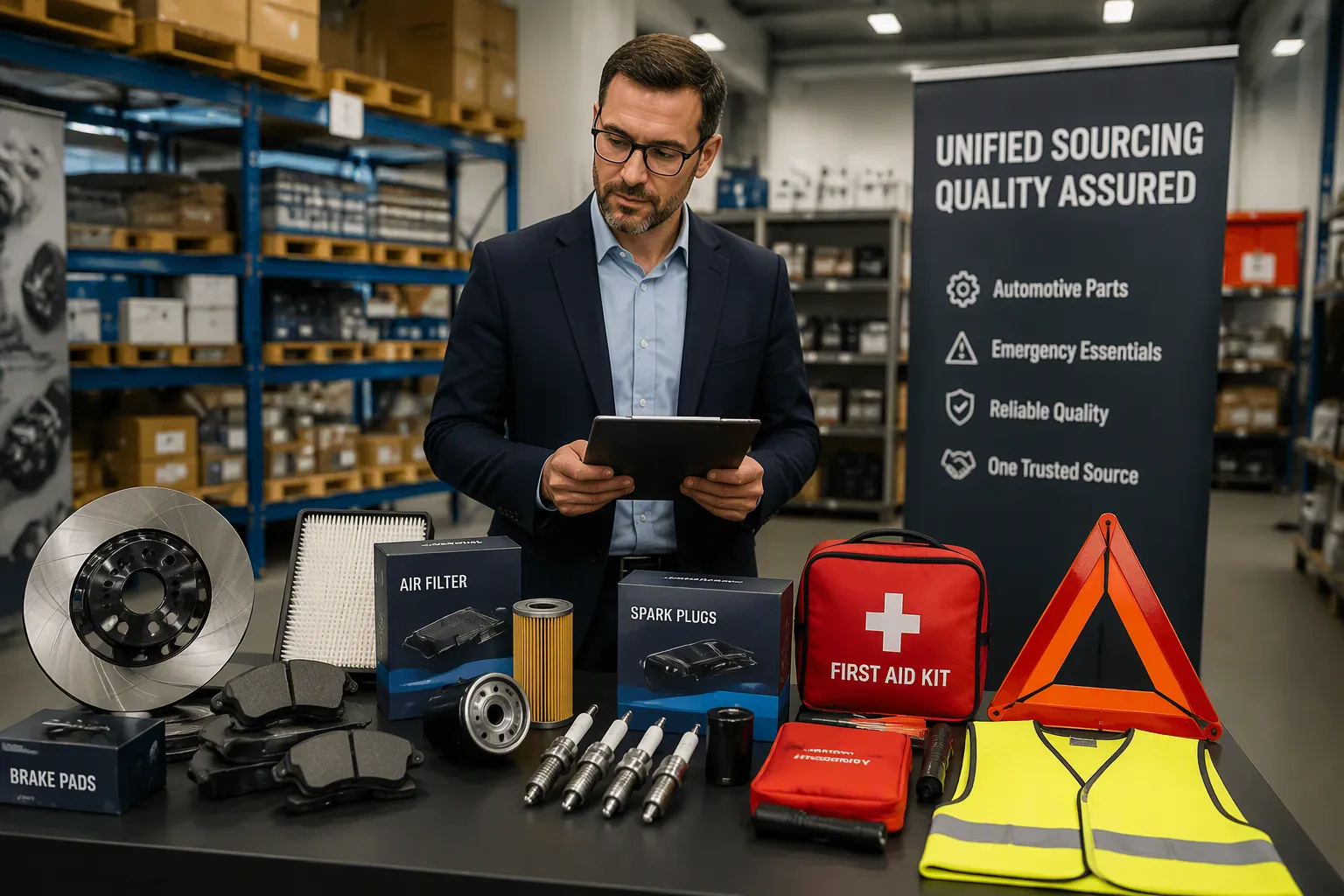
You can get automotive hardware and emergency products from one supplier. Follow these seven steps to find a manufacturer that does both well.
List what you need from both product lines.
Find a manufacturer with experience in both areas.
Check their technical skills.
Make sure their products fit your needs.
Confirm they meet all required rules.
Compare the costs of sourcing parts.
Work out one unified program deal.
Each step builds on the one before it. Start with a clear list of needs. Then test every candidate using the same criteria. Strong proof at each stage points you to a reliable sourcing partner for the long term.
Put all your automotive hardware and emergency product needs in one list. This helps you compare suppliers in a fair way.
Find a manufacturer with real experience in both product lines. Check their technical skills and the range of products they offer.
Make sure the manufacturer follows all the required rules and has the right certifications. Ask for test reports and compliance documents.
Compare the total costs for both product categories. Include tooling, freight, and payment terms in your comparison.
Make one single contract that covers both product lines. Link the price to quality and how well the products are delivered.
Begin with a single list of needs. This list should cover both automotive hardware and emergency products. One document helps you compare suppliers fairly later. It also supports a unified sourcing program from the start.
Sort each item by category, volume, and application. Category means the product family. Volume means yearly demand and order size. Application means the vehicle type or roadside situation. This setup makes quotes simple to compare side by side.
Write down the mechanical items first. Common entries include fasteners, tie downs, straps, cargo nets, and ropes. Note the size, material, and finish for each item. Record the expected load and the working environment.
Volume matters here. Fasteners often ship in large amounts, while tie downs move in smaller batches. Write both numbers down. This detail helps fastener suppliers give accurate quotes and helps you judge component sourcing costs later.
Emergency sourcing covers roadside and safety items. Build this part of the list from the situations you expect. A useful starter set looks like this:
Category | Essential Roadside and Safety Items |
|---|---|
Mechanical / Roadside Assistance | Jumper cables; portable jump starter; tire pressure gauge; 12V air compressor; spare tire with jack and lug wrench; tire sealant; tow strap; basic tool kit; duct tape and zip ties |
Visibility & Emergency Signaling | LED flashlight or headlamp with spare batteries; reflective triangles or road flares; high-visibility safety vest; emergency whistle |
Weather Protection & Comfort | Mylar emergency blanket; seasonal clothing layers; rain poncho; durable work gloves |
First Aid & Health | Comprehensive first aid kit; bottled water; non-perishable energy bars; wet wipes |
Utility, Navigation & Backup Power | Multi-tool; backup power bank and charging cable; physical road atlas; compact utility shovel |
Mark each line as standard or custom. Note the target volume for each group. Add the application, such as passenger cars, fleets, or industrial sites. You now have one clear list for both product lines. Every candidate manufacturer is measured against it.
Begin your search in four places. Trade directories list manufacturers by product type and region. Most let you filter by certification and export market. Industry exhibitions let you check samples and meet production teams in person. This shows you more than a catalog page can. Referral networks point you to suppliers that peers already trust. A warm introduction often speeds up the first quote. Buyer programs also publish supplier qualification and inquiry forms. You can submit these to request quotes and capability documents.
Treat each directory as a starting point, not a final answer. Cross-check the listing against the supplier's own site. Confirm the address, the product range, and the contact person. A listing that matches the company website builds confidence early. When you find a manufacturer through a directory, verify the details before you spend time in sourcing talks.
Use these channels together. A directory gives you volume. An exhibition gives you proof. A referral gives you context. An inquiry form gives you a paper trail. Record the source for every candidate. A supplier that appears in several channels deserves a closer look. Together these channels shorten the path to a reliable sourcing partner.
Sort every candidate by manufacturer type. Contract manufacturers build to your design. Custom manufacturers adapt standard lines to your specification. Co-manufacturers share production with another site. Each type fits a different stage of your program. So match the type to your volume and customization level.
Next, look for evidence of dual-category capability. A supplier that already makes both automotive hardware and emergency items will handle your combined list with less friction. Check product pages, catalogs, and export records for proof. Ask for a sample list that covers both lines.
Some candidates will be strong on fasteners but thin on emergency items. A true industrial fastener distributor and supply-chain partner can still serve you well. It can cover the second line through a partner site. Ask fastener suppliers and distributors how they handle sourcing for both lines. Compare fastener distributors on range and stock depth for standard fasteners. An industrial fastener distributor with a broad catalog may cover your mechanical list. But confirm the emergency range before you commit.
All Road illustrates this profile well. The company brings over 20 years of industry experience. It runs multiple manufacturing sites and offers OEM and R&D services. It exports to more than 50 countries and regions. That footprint signals a mature automotive supply chain presence and real global component sourcing reach.
Score each candidate on a simple sheet. Give points for dual-category range, years in business, site count, export experience, and component sourcing depth. Rank the list and contact the top five first. A shortlist of five to eight names keeps the comparison manageable.
Screen the shortlist with three questions. Does the supplier publish specification datasheets? Do they hold patents or test reports? Can they quote both automotive and emergency lines under one account? Strong answers here separate serious manufacturers from traders. Weak answers tell you to move on.
You will find a manufacturer faster when you narrow by type first and capability second. Apply the same filter when you find a manufacturer for emergency items alone. The logic holds across both categories.
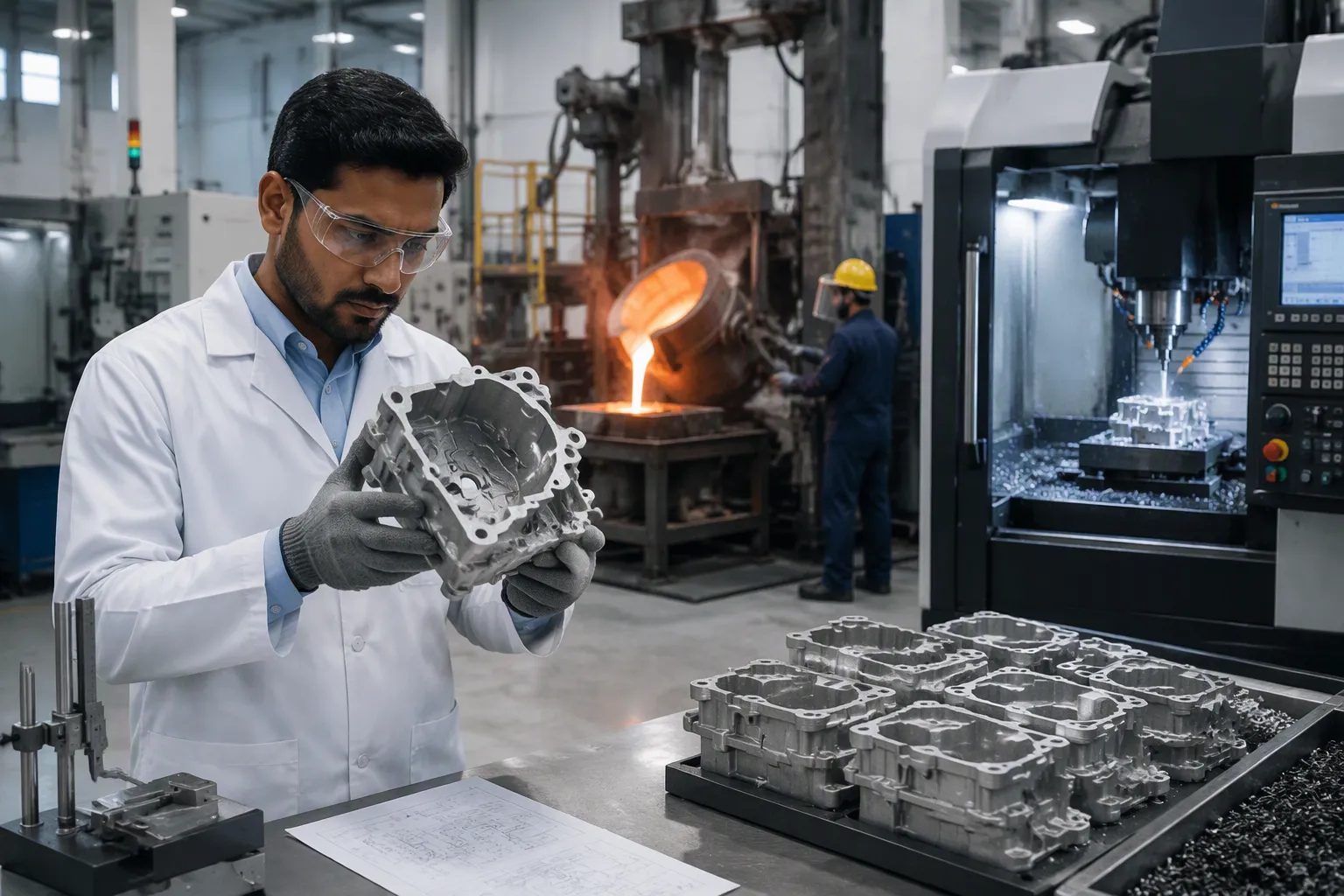
Technical capability decides whether a supplier can keep quality strong across both product lines. Look for four signals: in-house R&D, casting facilities, standardized production, and design flexibility. These signals help you tell real manufacturers apart from trading companies.
Start with the production floor. In-house die design, process engineering, and R&D capability show that a supplier controls its own quality. The table below shows how leading manufacturers structure these functions.
Manufacturer | In-house R&D / Engineering | In-house Casting Processes | Other In-house Facilities |
|---|---|---|---|
Ryobi Die Casting (USA) | Die design, process engineering, R&D capability | High-pressure die casting (aluminum structural castings) | Tooling through finished part (vertically integrated) |
Empire Die Casting | — | High-pressure die casting (aluminum, zinc) | CNC machining, finishing |
DyCast Specialties Corp. | — | Aluminum and zinc HPDC | Prototyping, tooling, machining, assembly, plating, coating, anodizing |
Pace Industries | Engineering support | Die casting (aluminum, zinc, magnesium; 400–3,000 ton machines) | Tooling, CNC machining, assembly |
Alumalloy Metalcasting Company | Process expertise / proprietary techniques | Permanent-mold and gravity casting (aluminum) | CNC milling |
"What sets Ryobi apart is its vertically integrated model: in-house die design, process engineering, and R&D capability, from tooling through finished part."
Marimba Auto, an end-to-end automotive component manufacturer, brings forging, CNC machining, stamping, and tube forming together under one IATF 16949-certified roof in Canton, Michigan. This multi-process, single-source model is common among strong automotive hardware suppliers. Ask fastener suppliers whether they run similar in-house operations for fasteners and related hardware.
Then confirm quality with sampling. Use ISO-2859, MIL-STD105E, or ANSI Z1.4 / Z1.9 as your sampling plan standards. Request PPAP documents such as PFMEA, DFMEA, SPC, MSA, GR&R, APQP, PSW, MTE, and FAI. A lot-size-based sample inspection against pass/fail criteria gives you proof before shipment.
Emergency items often run in high-mix, low-volume batches. Changeovers can limit capacity as much as machine cycle time. Good layouts give operators room to remove fixtures, stage the next job, and handle outgoing material safely. Standardized locations for dies, tooling, gauges, and job documentation cut down searching time. Preparing the next job's materials offline shortens transition time without buying extra equipment.
Standardized work defines consistent procedures for every task. Facilities document operation sequences, required tools, quality checkpoints, safety protocols, and time requirements. These procedures, along with quality control checkpoints and operator training, manage product variability during emergency production. Design flexibility matters too. Flexible production capabilities, redundant critical systems, scalable processes, and adaptive technologies let a supplier handle demand spikes.
Apply the same sampling discipline here. Set the AQL, choose the inspection level, determine the lot size, look up the sample size code letter, select the sampling type, enter the table to find the plan, and start with normal inspection. This sequence confirms production quality for both categories. Use specification datasheets as your reference point during every review. Strong datasheets and test reports make component sourcing decisions much easier to defend.
Connect each item on your list to a real situation. Begin with the type of vehicle. A passenger car needs different fasteners and tie downs than a fleet truck or a vehicle used at an industrial site. Then match emergency items to roadside scenarios. The table below shows how specific situations guide product choice.
Roadside Scenario | Required or Recommended Emergency Products |
|---|---|
Harsh weather or being stranded | Stocked roadside kit; extra blankets; comfort items |
Unexpected mechanical breakdown | Jumper cables or portable lithium-ion battery; motor oil and coolant; tool kit; tire pressure gauge and inflator; tarp |
Accident or stopped vehicle warning | Fire extinguisher (UL 5 B:C or two 4 B:C); three reflective triangles; flares; safety vest and warning flag |
Electrical or fuse failure | At least one spare fuse for each type and size the vehicle needs |
Injury or medical need | First-aid kit; prescription and over-the-counter medications |
Prolonged waiting or survival | Long-lasting foods; bottled water; hand crank or battery radio; emergency contact list; charging cord |
Cold weather driving | Shovel, ice scraper, snow brush, tire chains, below-zero washer fluid, cat litter; winter clothing |
Use this mapping as a fit test. A product that serves no listed scenario adds cost without adding value. A product that covers two scenarios earns priority.
Standard items will not cover every need. At this stage, ask manufacturers about OEM options and design flexibility. A supplier with in-house R&D can adapt a tie down, a strap, or a bracket to your specification. That flexibility matters most for hard-to-find automotive components. Treat one unusual part as your fit test. Hand the supplier a hard-to-find automotive component and watch how they respond. A strong answer includes a drawing review, a sample timeline, and a clear statement of what they can and cannot modify.
Compatibility goes hand in hand with customization. Check that fasteners match the thread, grade, and finish your assembly requires. Confirm that emergency hardware fits the storage space in each vehicle type. Ask fastener suppliers for compatibility charts and tolerance data. Good manufacturers document these details in specification datasheets. That paperwork protects you during component sourcing reviews and keeps your sourcing program consistent across both product lines.
Proof of compliance is what separates real manufacturers from traders. Ask every candidate for documents, not just claims. Management-system marks and product-safety marks are two different approval groups. ISO9001 and ISO14001 show how a factory is run. They do not replace proof that the product is safe. Check the marks below against your combined list.
Certification / Mark | What It Proves |
|---|---|
ISO9001 | Basic management-system standard |
ISO14001 | Proof of an environmental management system |
TUV / GS | Product safety testing on selected lines |
CE | EU conformity, backed by a valid Declaration of Conformity |
UL | Safety standing for the US market |
RoHS | Compliance with restricted-substance rules |
Ask for lab and third-party test reports for each product family. Also count the patents and specification datasheets. All Road, for example, holds 38 authorized patents, 142 product specification datasheets, and 216 lab and third-party test reports. Those numbers give you real facts to audit.
Mechanical hardware and electronics need different proof. For fasteners and tie downs, look for material certificates, load test reports, and finish specifications. For electronics, ask for certificate files for each model. A CE mark alone means little without the EU Declaration of Conformity behind it. Ask for the actual test certificate and report, not a logo on a catalog page.
Sourcing automotive electronics parts needs its own check process. The risk of fake parts is higher with electronic components. Screen each incoming lot with a set sequence:
Do a visual inspection of incoming parts.
Use X-ray analysis on parts you suspect.
Use decapsulation on suspicious parts to confirm they are real.
Follow JEDEC J-STD-020E when handling moisture-sensitive devices.
Keep detailed lot records, including test data and shelf-life tracking.
An independent electronic component distributor can supply traceable parts with lot documents. Confirm the supplier meets IATF 16949:2016, the quality-management standard just for automotive. Sourcing that does not comply can lead to fines, recalls, or damage to your reputation. Apply the same care to hardware and electronics, and your component sourcing program stays easy to defend.
Compare the total cost for both categories, not just the unit price. Add tooling, sampling, freight, and payment terms to every quote. A low unit price with high tooling and slow payment terms can cost more over a year. Build one cost sheet for automotive hardware and one for emergency items. Then merge them into a single view.
Procurement software makes this comparison clearer. It handles RFQ and sourcing automation for CAD files, complete BOMs, and complex assemblies. Cost breakdown templates cover tooling, material, labor, overhead, packaging, logistics, amortization, and currency. Side-by-side quote comparison shows landed cost, savings, and yield rates. Award workflows link sourcing decisions to PPAP and APQP steps, so your cost tracking stays tied to quality records.
Volume drives pricing in both categories. Fasteners often ship in large lots, while emergency kits move in smaller batches. Ask each candidate for tiered pricing at your expected volumes. Confirm how they handle managed replenishment and vendor-managed inventory for repeat orders. These terms reduce stockouts and keep your automotive supply chain steady.
Payment terms belong in the same comparison. Net 30 versus net 60 changes your working capital. Freight terms decide who pays for shipping and insurance. Ask fastener suppliers and distributors to quote both lines under one account. An industrial fastener distributor may offer better stock depth on standard fasteners. A full-line manufacturer may offer better range across both categories. Weigh vendor consolidation benefits against any gap in range.
Software supports this stage too. Configurable PPAP and APQP workflows track submissions per project. Status tracking shows open, overdue, and approved items across suppliers and parts. Audit-ready records support IATF 16949 reviews. System integrations link ERP, QMS, and PLM data, so automotive procurement teams see one cost picture. Use these tools to compare manufacturers on equal terms.
Bring both product lines into one negotiation. Bundle related requests instead of pricing each item alone. Trade your higher combined volume for better shared pricing across the lines. This approach turns two small orders into one strong position.
Write shared pricing, lead times, and quality terms into the contract. Verbal agreements invite disputes later. Use clear, unambiguous language for every obligation. Define shared lead times and quality terms precisely, so neither line creates confusion for the other. These practices apply well to unified supply agreements.
Best practice | How it applies to a combined contract |
|---|---|
Bundle related requests | Group both lines into one negotiation and trade combined volume for better shared pricing |
Document key terms in writing | Write shared pricing, delivery schedules, and quality standards into the contract |
Use clear language | Define shared lead times and quality terms precisely to prevent disputes |
Tie metrics to compensation | Link pricing incentives to measurable quality and reliability standards |
Add a clause for allocated and hard-to-find components. State how the supplier confirms availability and when substitution is allowed. This clause protects your automotive assembly line when a rare part runs short.
Tie shared pricing incentives and penalties to measurable standards. Use on-time delivery, damage rates, and order accuracy as your metrics. Cost savings should not erode performance. A single vendor with clear KPIs keeps both lines accountable.
Plan replenishment for both categories. Ask for managed replenishment on fasteners and other high-volume hardware. Request vendor-managed inventory for repeat emergency items. A vendor managed inventory partner tracks stock and triggers orders before you run low. Confirm emergency fulfillment terms, so urgent roadside orders ship fast. Compare manufacturers on these terms before you sign.
Strong terms support vendor consolidation over time. One contract, one scorecard, and one replenishment rhythm reduce your component sourcing workload. Managed replenishment and vendor-managed inventory work best when both lines share the same review cycle. Review the numbers each quarter and adjust volumes together.
You now have a clear plan to follow. First, define your combined needs. Then find a manufacturer with proven range in both categories. Check their technical skills, confirm the products fit your needs, and verify they meet all rules. Next, compare the costs of sourcing parts. Finish by negotiating one unified program deal. Use the same standards for automotive hardware and emergency products at every step. Equal attention keeps both lines strong.
Use this process to build a long-term, single-source partnership. Strong manufacturers reward clear requirements with steady quality and shared pricing. Your sourcing partner should grow with your program. Review the numbers each quarter and adjust volumes together. That habit turns a first contract into a lasting supply relationship.
Yes, if you look for proof that they handle both types of products. Check product pages, catalogs, and export records that show both lines. Ask for a sample list that covers both. A supplier with real strength in each category can handle your combined list with fewer problems.
Keep the list to five to eight names. Give each one a score for dual-category range, years in business, site count, export experience, and component sourcing depth. Then contact the top five first. A short list keeps your comparison easy to manage and your decisions clear.
Ask for management-system marks and product-safety marks. Request lab and third-party test reports for each product family. Count the patents and specification datasheets. For electronics, ask for the actual test certificate and report, not just a logo on a catalog page.
Use a sampling plan such as ISO-2859, MIL-STD105E, or ANSI Z1.4 / Z1.9. Request PPAP documents, including PFMEA, DFMEA, SPC, MSA, GR&R, APQP, PSW, MTE, and FAI. A sample inspection based on lot size, checked against pass/fail rules, gives you proof before shipment.
Write shared pricing, lead times, and quality terms into one contract. Add a clause for allocated and hard-to-find components. State how the supplier confirms availability and when substitution is allowed. Tie pricing incentives to measurable standards like on-time delivery, damage rates, and order accuracy.
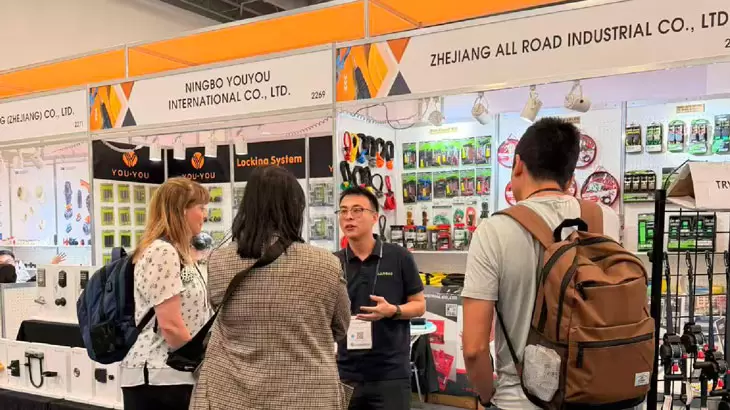
As morning light bathes the Las Vegas Convention Center, the annual flagship event for the global hardware and auto parts industry — the 2026 National Hardware Show (NHS, Concept to Commerce) — grandly kicked off from March 31 to April 2. ZHEJIANG ALL ROAD INDUSTRIAL and Trade Co., Ltd. (hereinafter referred to as “ZHEJIANG ALL ROAD”) showcased its core auto parts and hardware tool product lines,
Find out more about our news >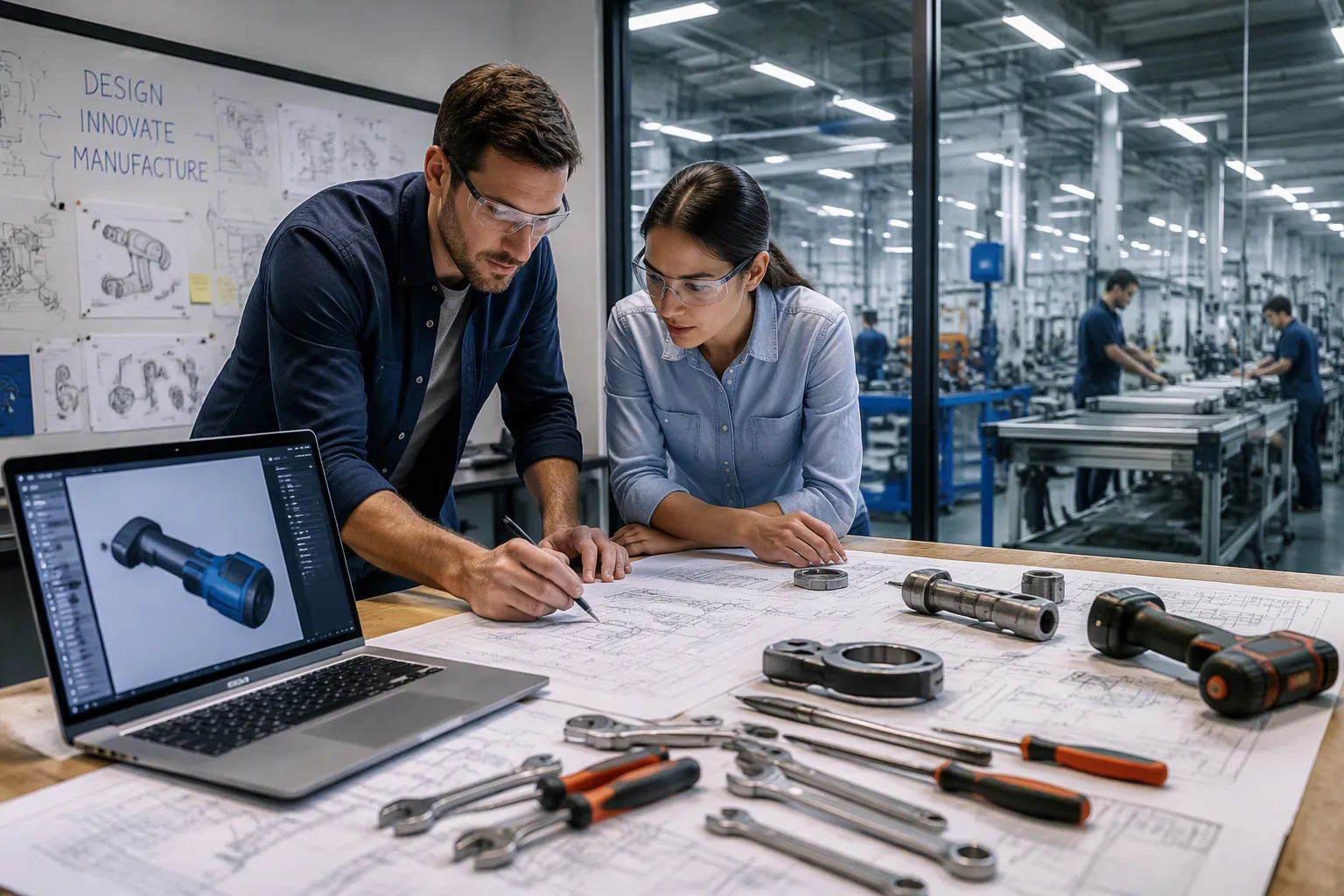
To recommend a factory for customized hardware tools, score in-house design, DFM, prototyping, tooling, compliance, and total cost. Use a shared rubric.
Find out more about our news >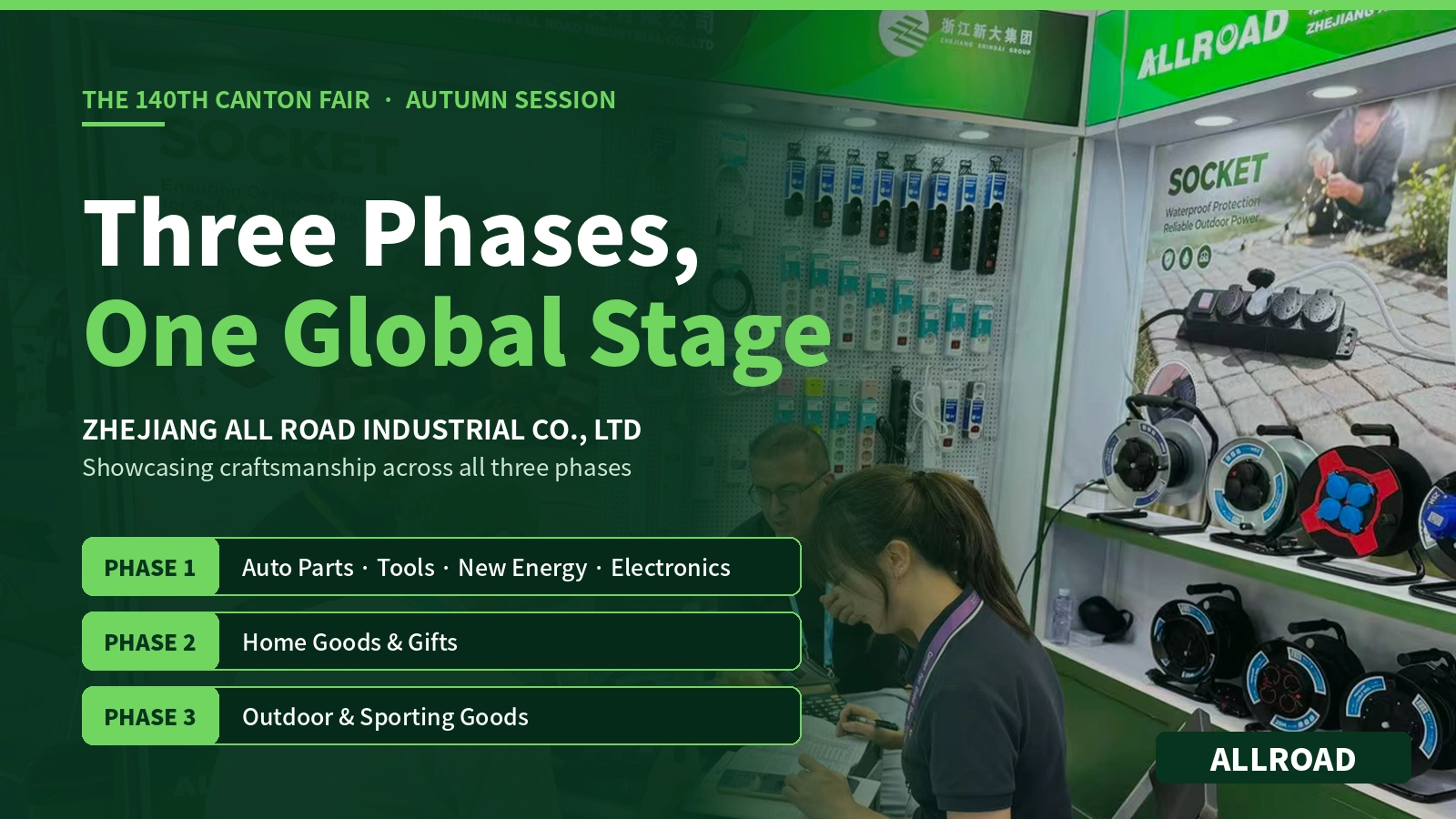
Zhejiang All Road Industrial Co., Ltd. Showcases Craftsmanship at the 140th Canton Fair (Autumn Session) and Engages Buyers from Around the World
Find out more about our news >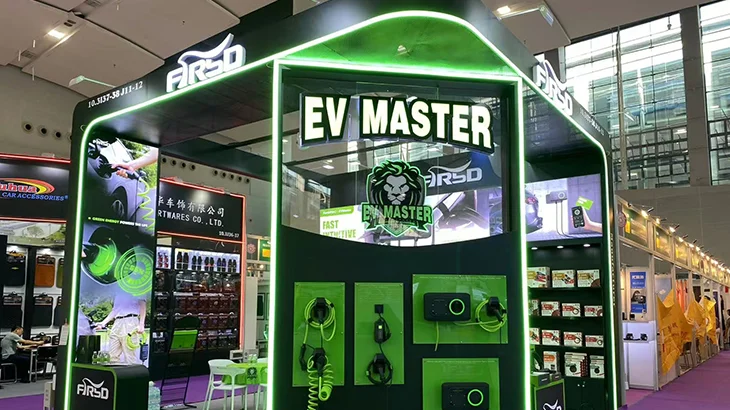
As an important international trade fair, the Canton Fair attracts merchants from all over the world to come and discuss cooperation. From April 15 to May 5, Aolu Industry and Trade Co., Ltd. participated in the fair with its core products and exchanged ideas with merchants from home and abroad.
Find out more about our news >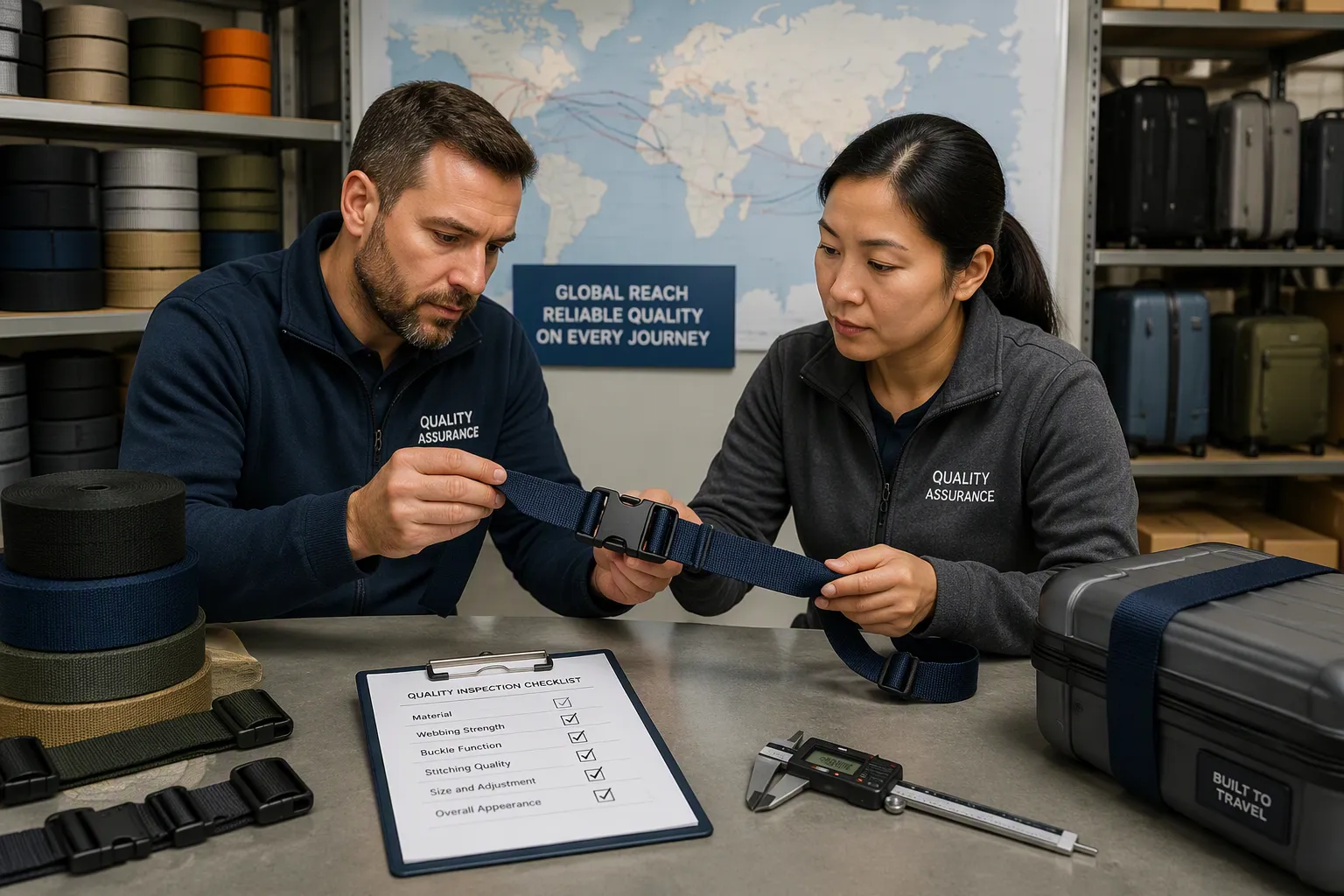
Choose a dependable luggage strap manufacturer by checking quality, compliance, and cost. Ensure your international travel accessories meet standards.
Find out more about our news >
Ensure your import business thrives by checking these 5 critical factors in a dependable supplier of hardware tools, from quality to communication.
Find out more about our news >