
 EN
 English
 Vietnamese
 繁体中文
 Italian
 Spanish
 Thai
 Japanese
 Portuguese
 Korean
 Russian
 French
 German
 Arabic
Stay Updated with Allroad’s
Industry Knowledge
Industry Trends, Product Knowledge & Global Trade Insights

Industry Trends, Product Knowledge & Global Trade Insights
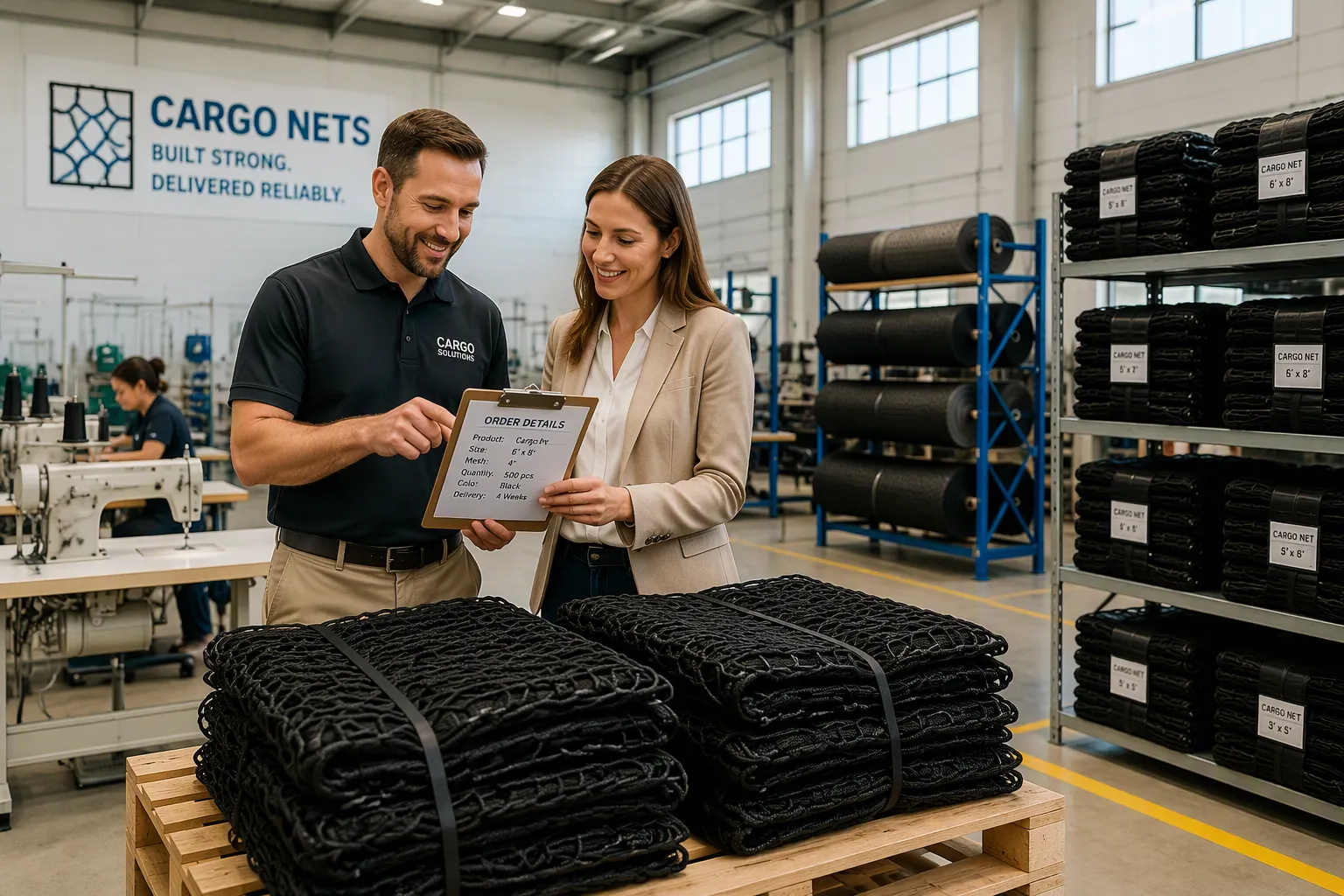
You once bought cargo nets order by order. Now your retail business needs a steady supply, and each shipment must match the last. That change turns sourcing into an operational decision. The right partner protects your margins, your stock levels, and your reputation across every reorder.
So how do you find a cargo net factory that can handle repeat volume without slipping on quality or delivery? You need a clear method, not a hunch. This guide gives you a practical framework. You will learn to assess capabilities, verify quality systems, test samples, spot red flags, and set partnership terms that hold up over time.
Pick a factory that can take repeat bulk orders and grow as your order volume grows.
Look at their quality systems and test samples before you place a large order.
Use a checklist to compare factories on how much they can make, their quality, and any warning signs.
Put clear rules for pricing, delivery times, and quality checks in your contract.
Think of choosing a factory as the start of a long-term partnership, not a one-time purchase.
A repeat supply model changes how sourcing works. You stop looking for the lowest quote on a single order. You start building a relationship that pays off over many orders. Good sourcing relationships come from both sides understanding what to expect and working together to keep improving.
A long-term relationship with a manufacturer keeps your costs steady in ways a one-time purchase cannot. Prices move less when you commit to repeat volume. You also get better terms, like pricing priority and flexibility that one-off accounts rarely receive. A lower quote from a new supplier often hides the cost of getting quality standards, finishing, packaging, lead times, and communication in line. The biggest sourcing cost is often not price but starting over with a supplier you don't know.
Quality stays consistent for the same reason. A manufacturer that knows your specs, load ratings, and packaging makes fewer mistakes. Steady production quality comes from a team that has already learned what you need. A new vendor starts from zero and goes through a learning curve each time. Consistency across units and repeat orders is often worth more than being the cheapest option. A product can be copied, but a reliable supply chain is much harder to replace.
Retail demand moves in cycles. You need stock refills that match those cycles without gaps. A proven partner shortens lead times and turns orders around faster when demand is high. A steady partner keeps your stock plan on schedule. Checking specs and re-testing samples with a new supplier adds delay at the worst moment.
Here is where you weigh two good options. A wholesale cargo net factory offers cost savings, but lead times run longer. A local distributor offers fast refills at a higher cost. Each fits a different need. Plan far-ahead volume through the factory and cover urgent gaps through the distributor. That mix protects your shelves without putting down either channel.
Begin with how much the factory can make. Ask about its monthly output to see if it can handle repeat bulk orders. A factory with more than one site can spread the work around, so one plant's delay won't stop your order. Strong capacity handles bulk and repeat orders without delay, while weak capacity leads to missed deadlines. Make sure the factory can grow with your order volume.
Lean and just-in-time practices keep little stock on hand, based on demand and flexible planning, which cuts carrying costs and waste. Lead times depend on factory capacity and monthly output. Ask about on-time delivery rates, perfect order fulfillment, and how much supplier lead times vary. Ask for references or case studies to confirm past performance.
Monthly output: can the factory handle repeat bulk orders?
Manufacturing sites: more than one location protects orders from single-plant delays
Scalability: can capacity grow with your order volume?
Inventory management: lean or JIT practices with flexible planning
Lead time and delivery performance: on-time rates and how much they vary
Verification: references and case studies
A good manufacturer writes down its processes. Look for in-house quality control backed by certifications such as ISO9001, TUV/GS, CE, UL, and RoHS. Treat each certificate as proof to check, not a logo to trust. Ask for test reports and material traceability records for every batch.
In-house R&D and OEM service show a manufacturer that can support custom oem designs and end-to-end oem customization. As one example, ALL ROAD has in-house R&D, OEM service, and several factories it owns. Its capabilities cover heavy-duty sewing equipment and services such as assembly, casting, forging, and stamping.
Capability Category | Specific Capabilities |
|---|---|
In-house R&D and production equipment | Heavy-duty thick-thread flat sewing machines; FIBC bulk bag making machines; extra heavy-duty zig-zag and long-arm sewing machines; hot knife cutting machines for webbing slings; hot air welding and ultrasonic welders |
OEM and ODM services | Assembly; castings; die casting; forging; injection molds; machining; stamping |
A real manufacturer is happy to have a factory audit. A professional manufacturer keeps records ready. That openness is what separates a trusted supplier from a trading middleman.
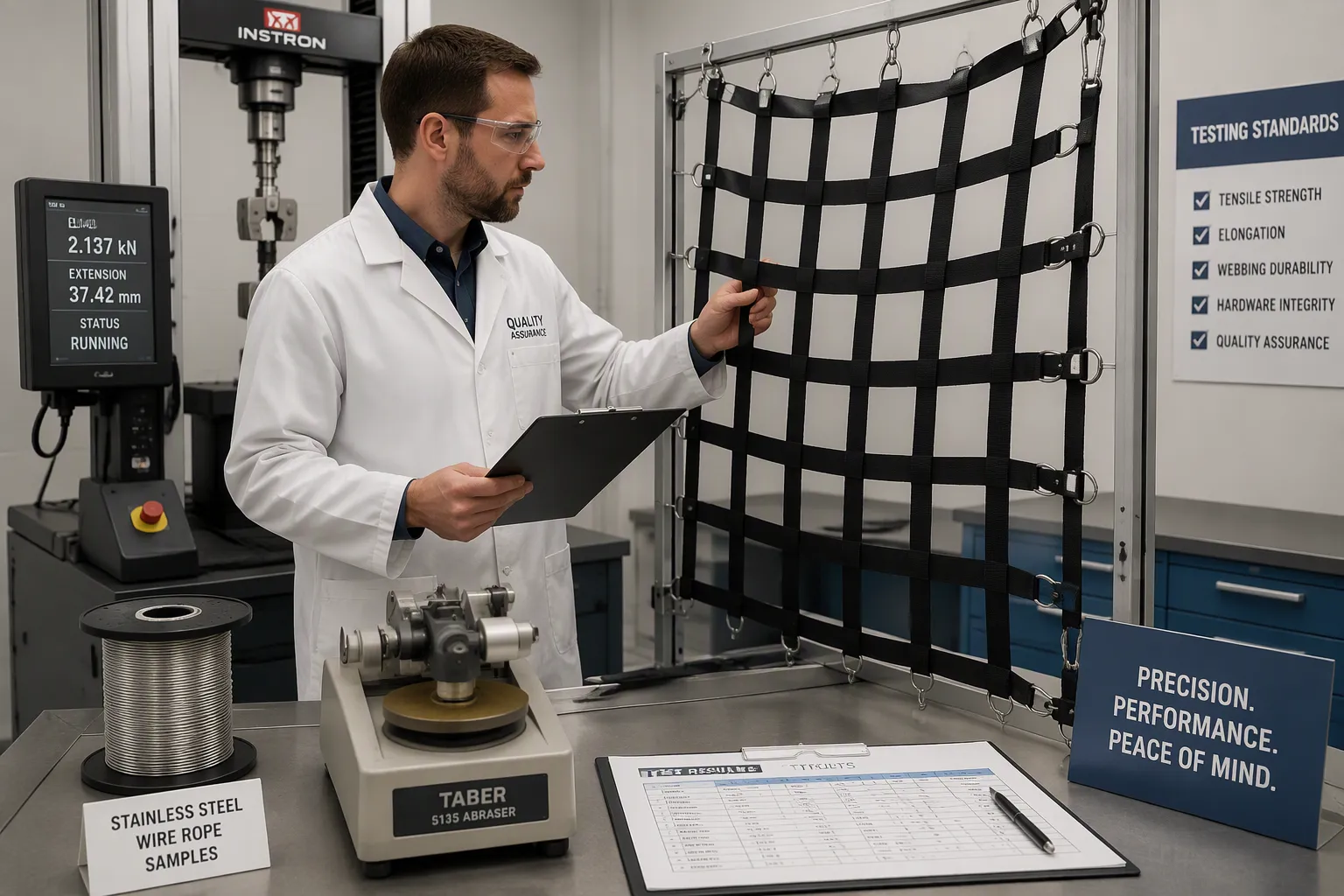
Make a short list of three to five factories. Check each one against the capacity and quality rules above. A short list keeps the comparison fair and helps you decide based on facts. Then ask for samples of the exact webbing cargo net you plan to order. A sample tells you more than a catalog page. Test it under load before you commit to a large order.
Run a set of performance tests on every webbing cargo net sample. Tensile testing of stainless steel wire breaking strength shows how the net handles jolts, pulls, and wind impacts during truck transport. Abrasion resistance testing on manufactured samples reveals wear at contact points. Practical vehicle loading compatibility trials confirm the net fits your anchors and cargo. Weaving inspection checks for uniform mesh openings, secure knots, and the absence of loose threads or skipped stitches.
Compare results against recognized thresholds. A one-inch nylon webbing leg should reach at least 5,000 lb in tensile break strength, with stitching tear-out at attachment points as the common failure mode. Abrasion resistance should show no more than 10% strength loss after 500 cycles under ASTM D4157. UV degradation should stay at or above 80% residual strength after 500 hours of xenon arc exposure under ASTM D4329. Flame retardancy should self-extinguish within 2 seconds with a char length of 150 mm or less. Salt spray corrosion should show no significant hardware corrosion and no more than 10% webbing strength loss after 96 hours. Record each result in a shared sheet so candidates stay comparable.
Your RFQ must carry full detail. State the cargo type, maximum operating weight, loaded dimensions, route, and handling cycle. Name the mesh opening, rope or webbing construction, perimeter, edge protection, and attachment zones. List the vehicle anchor map, connector type, access direction, and tensioning method. Specify the finished-net working load limit, component ratings, labels, and documents. Confirm whether each value is breaking strength or working load limit, and which safety factor and test method apply. Ask how the mesh retains the smallest item, how the fiber handles stretch, moisture, UV, and abrasion, and where the load enters the panel.
Check the paperwork before you place a bulk order. Ask the manufacturer for the material spec, finished net dimensions, mesh and construction spec, border reinforcement, hardware, attachment-point configuration, product test evidence, QC procedure, and batch traceability. Add UV aging data, abrasion testing, environmental exposure testing, flame performance, third-party testing, installation drawings, sample approval, pre-shipment inspection, and batch inspection reports when project risk calls for them. More certificates do not mean a better product. Evidence must match the actual project risk and specification. Keep a checklist, score each candidate the same way, and keep the results on file.
Treat missing or unreadable identification as a traceability and capacity-verification problem. Review the factory's records against your checklist for every production batch. A thorough vetting process ties every purchase to the supplied configuration. This discipline is how you find a cargo net factory that supports repeat orders. It also keeps your sourcing cargo netting stable across seasons. A factory that passes this audit earns your webbing cargo net volume.
A webbing cargo net selection guide turns unclear needs into a spec your factory can quote and repeat. Start with material and load rating, then decide your size plan.
Your webbing cargo net selection starts with the fiber. Each material changes load capacity, stretch, and wear.
Material | Load and strength | Durability |
|---|---|---|
Low stretch; maintains stability under load | High UV and moisture resistance; well-suited to outdoor, load-stabilizing use | |
Polypropylene | Lighter loads | Lightweight, low cost, poor UV stability |
Kevlar (aramid) | Superior tensile strength, minimal elongation at high heat | High heat resistance, higher cost, limited flexibility |
Nylon | Strong with useful elasticity | Less dimensionally stable than polyester |
Apply one rule to every webbing cargo net: rate it at least 25% above the cargo weight. Polyester suits heavy-duty truck cargo nets and a lifting net for industrial cargo. It holds its shape under load and resists moisture, so it works well outdoors. Polypropylene fits consumer straps. Kevlar serves demanding custom cargo net projects. A sound webbing cargo net selection matches fiber to load, environment, and how often you use it. Your webbing cargo net selection also weighs stretch. Shock absorption helps some loads, and precise positioning punishes it. Confirm each webbing cargo net rating as working load or breaking strength.
Standard webbing cargo nets speed up production and lower unit cost. Custom sizes let one webbing cargo net serve several product lines. A custom cargo net fits a specific trailer bed or rack. Custom cargo nets in varied dimensions keep your catalog coherent across seasons. Dozens of material options, mounting hardware, and application-specific service support ongoing bulk orders. Ask your factory for customized webbing cargo net solutions that scale with volume.
A webbing cargo net selection built on custom sizing reduces SKU sprawl. Bulk orders reward a stable spec sheet. Review each webbing cargo net against its product line before you commit. Standard webbing cargo nets cover fast movers, and custom webbing cargo nets cover specialty lines. That balance keeps your webbing cargo net selection efficient.
Pay attention to how a factory acts before you sign anything. Small clues can point to big problems later. Slow replies, unclear quotes, and quality that keeps changing all signal risk. Check for these signs early, and you save yourself months of trouble.
Area | Warning Sign | What It May Indicate |
|---|---|---|
Communication | Replies take longer than 48 hours | The factory may hand off orders to others or face money problems inside |
Consistency | Small defects go up from one shipment to the next | Process control is getting worse, or hidden subcontracting is going on |
Quoting and sourcing | The supplier avoids questions about where raw materials come from | Dodging the topic of sourcing, which is a sign you can't trust them |
Deal with any odd finding right away by doing a formal audit. One day of inspection can stop months of trouble. A factory that hides where its materials come from will not back your webbing cargo net program for long. Ask direct questions and expect direct answers. Being open is the base of every strong factory partnership.
Build your agreement around repeat volume. Set pricing tiers that reward bigger commitments, and put them in the contract. Define lead times for each tier, and tie on-time delivery to a target you can measure. Add a buffer for peak retail seasons. Review the terms every year, and adjust them as your volume grows.
Set quality checkpoints at fixed stages. Inspect incoming materials, in-process production, and finished goods before shipment. Agree on a review schedule, like a quarterly call and a yearly factory audit. Keep a shared scorecard for defects, delivery, and responsiveness. This rhythm keeps a long-term relationship strong and catches drift before it reaches your shelves.
Treat the search for a manufacturer as the start of a long-term relationship, not a one-time purchase. A factory you vet well becomes a steady partner for your webbing cargo net line. You gain costs you can predict, quality that stays the same, and refills you can count on. That stability supports your retail growth for years.
Turn your vetting work into a repeatable checklist. Run it for every candidate:
Capability review: monthly output, sites, and scalability
Quality systems: certifications, test reports, and batch traceability
Sampling and testing: load, abrasion, UV, and corrosion results
Red-flag screening: slow replies, shifting defects, vague sourcing
Partnership terms: pricing tiers, lead times, and quality checkpoints
Use this checklist each time you find a cargo net factory to evaluate. Then keep managing the relationship after signing. Treat factory selection as an ongoing commitment, not a one-time purchase. A strong long-term relationship gives you predictable costs, steady quality, and reliable refills. That stability supports your retail growth and keeps demand on an even keel for years.
Ask for monthly output numbers and how many manufacturing sites they have. Get references from customers with order patterns like yours. A factory with more than one location spreads risk across plants. Check on-time delivery records before you sign a supply agreement.
Lead times depend on capacity, material availability, and order size. Ask each candidate for its standard production window and how much that window changes. Build in extra time for peak retail seasons. Get the schedule in writing for every pricing tier.
Ask for copies of each certificate and test report, then check them against the issuing body's records. Match every document to your actual product spec. Certifications such as ISO9001, TUV/GS, CE, UL, and RoHS only count when they cover the item you buy.
Yes, many manufacturers offer both. Standard nets cover fast-moving lines at lower unit cost. Custom sizes serve specialty product lines. Confirm the factory keeps a stable spec sheet for each variant, so repeat orders match the original build.
Walk away before you place a bulk order. Slow replies, vague sourcing answers, or rising defect rates rarely get better with volume. Write down the findings and move to the next candidate on your shortlist. A failed audit early costs far less than a failed shipment later.
Choose a dependable luggage strap manufacturer by checking quality, compliance, and cost. Ensure your international travel accessories meet standards.
Find out more about our news >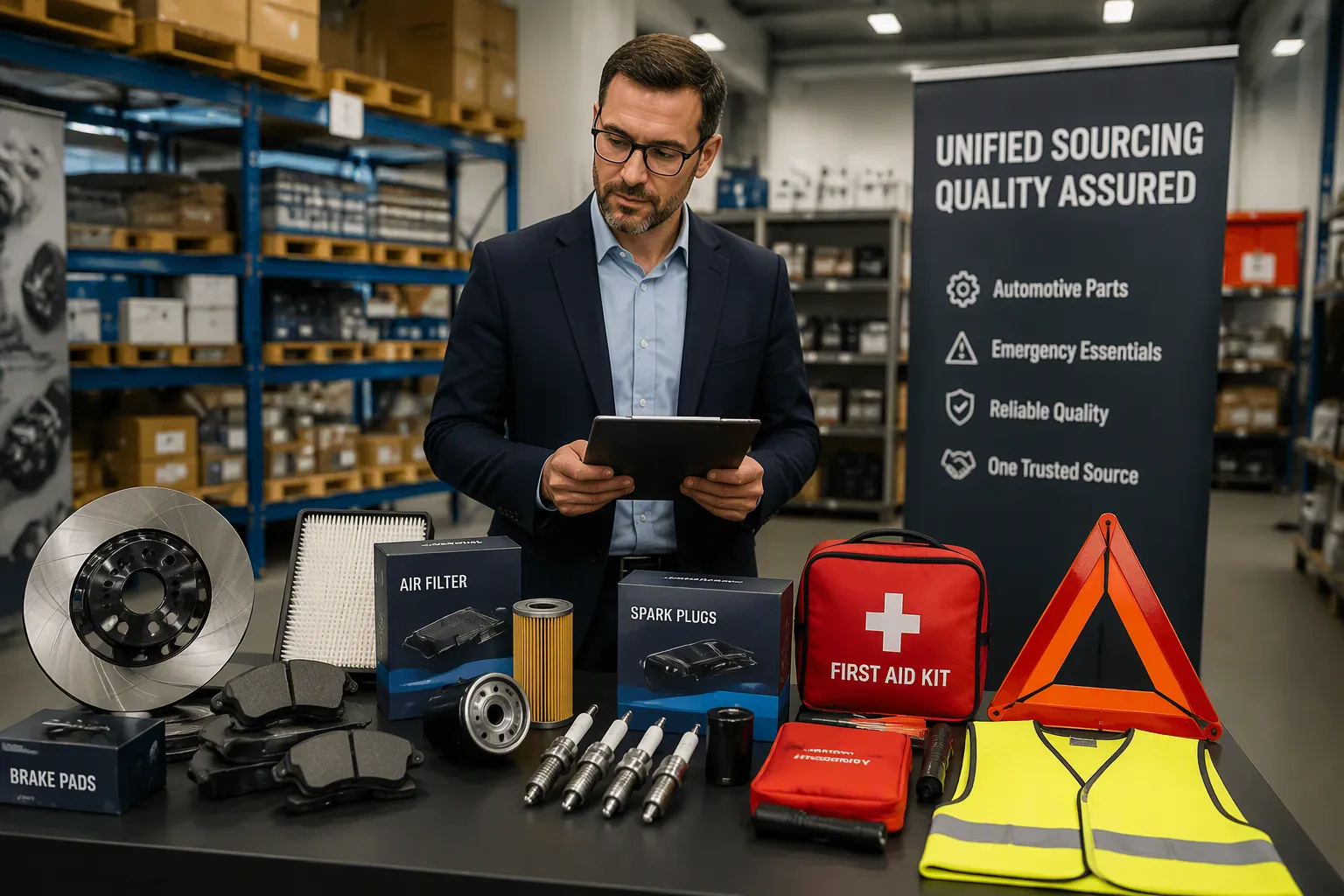
Follow seven steps to find a manufacturer that supplies automotive hardware and emergency products under one sourcing program, ensuring quality and cost efficiency.
Find out more about our news >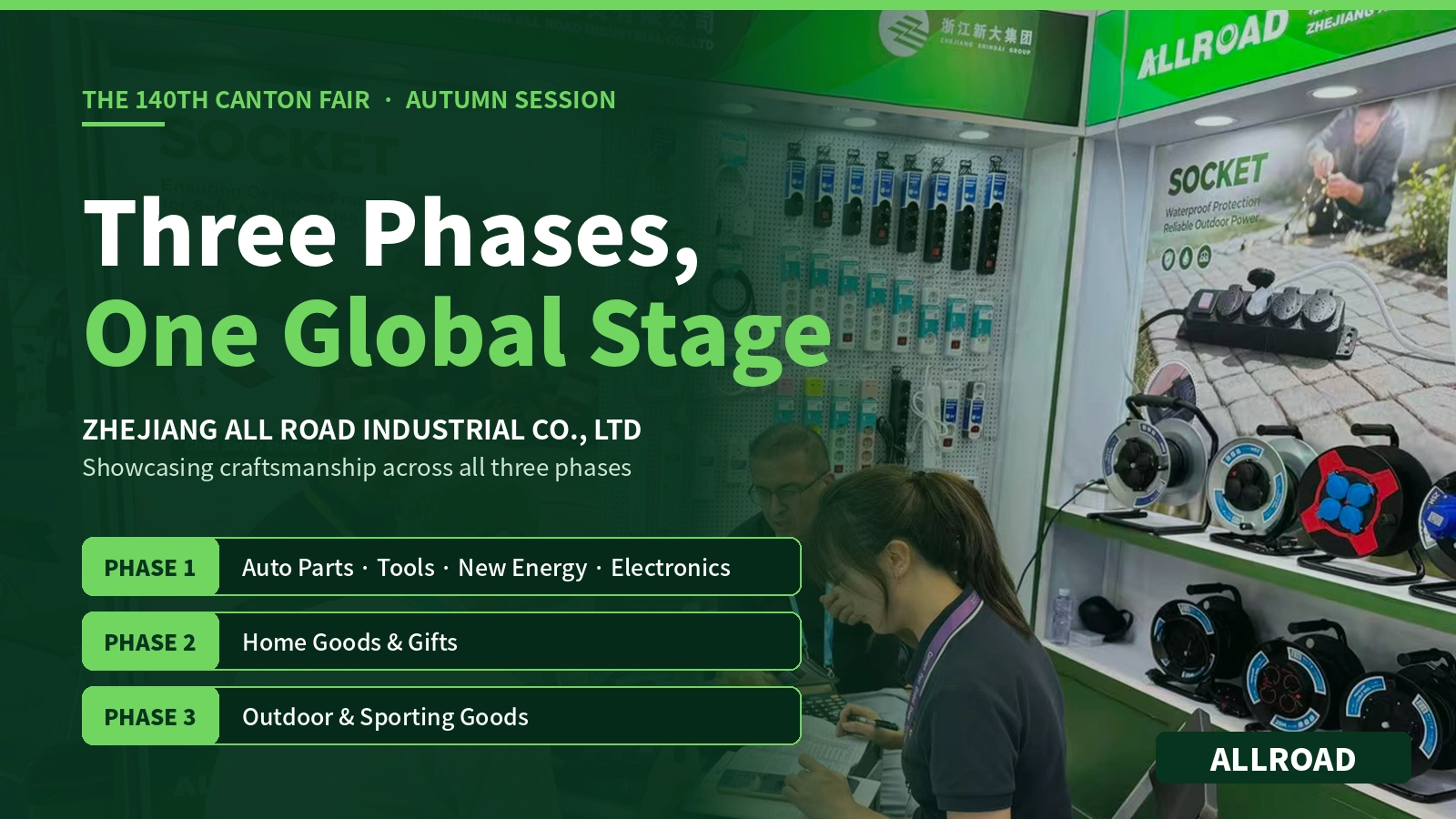
Zhejiang All Road Industrial Co., Ltd. Showcases Craftsmanship at the 140th Canton Fair (Autumn Session) and Engages Buyers from Around the World
Find out more about our news >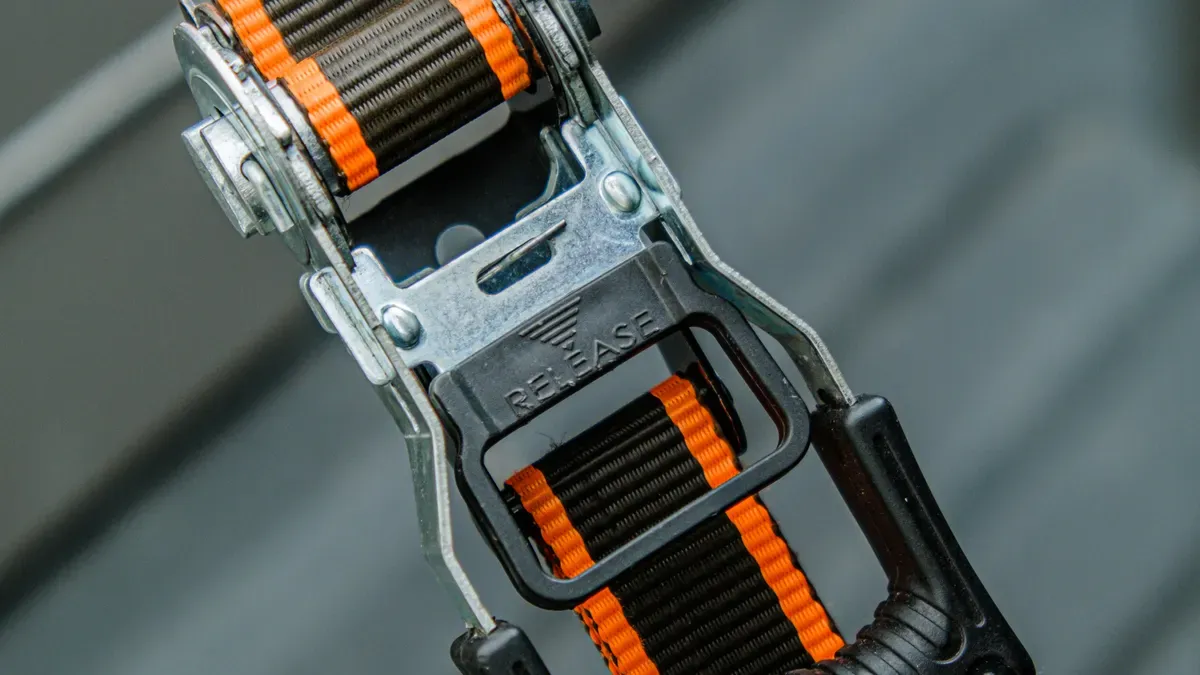
Learn how to vet Chinese manufacturers for ratchet tie down straps: verify credentials, request samples, and conduct inspections to secure a reliable wholesale partner.
Find out more about our news >
To recommend a factory for customized hardware tools, score in-house design, DFM, prototyping, tooling, compliance, and total cost. Use a shared rubric.
Find out more about our news >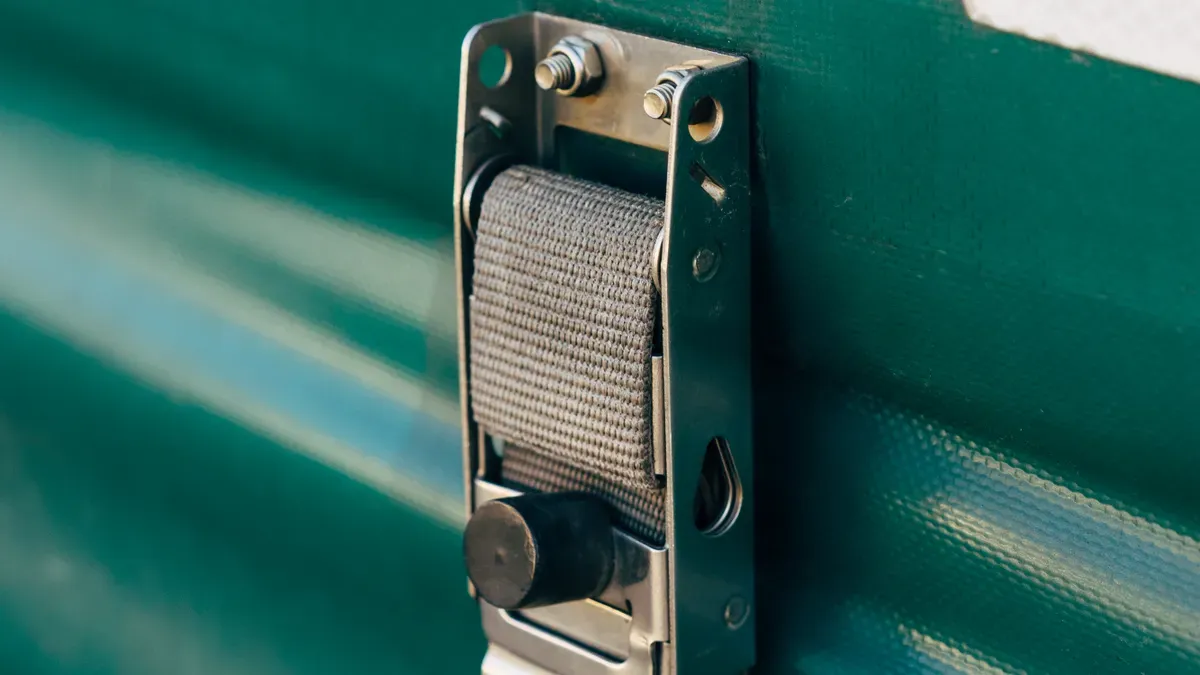
To recommend a Chinese factory for heavy duty cargo straps, check ISO certifications, third-party testing, and export experience. Verify compliance and support.
Find out more about our news >