
 EN
 English
 Vietnamese
 繁体中文
 Italian
 Spanish
 Thai
 Japanese
 Portuguese
 Korean
 Russian
 French
 German
 Arabic
Stay Updated with Allroad’s
Industry Knowledge
Industry Trends, Product Knowledge & Global Trade Insights

Industry Trends, Product Knowledge & Global Trade Insights
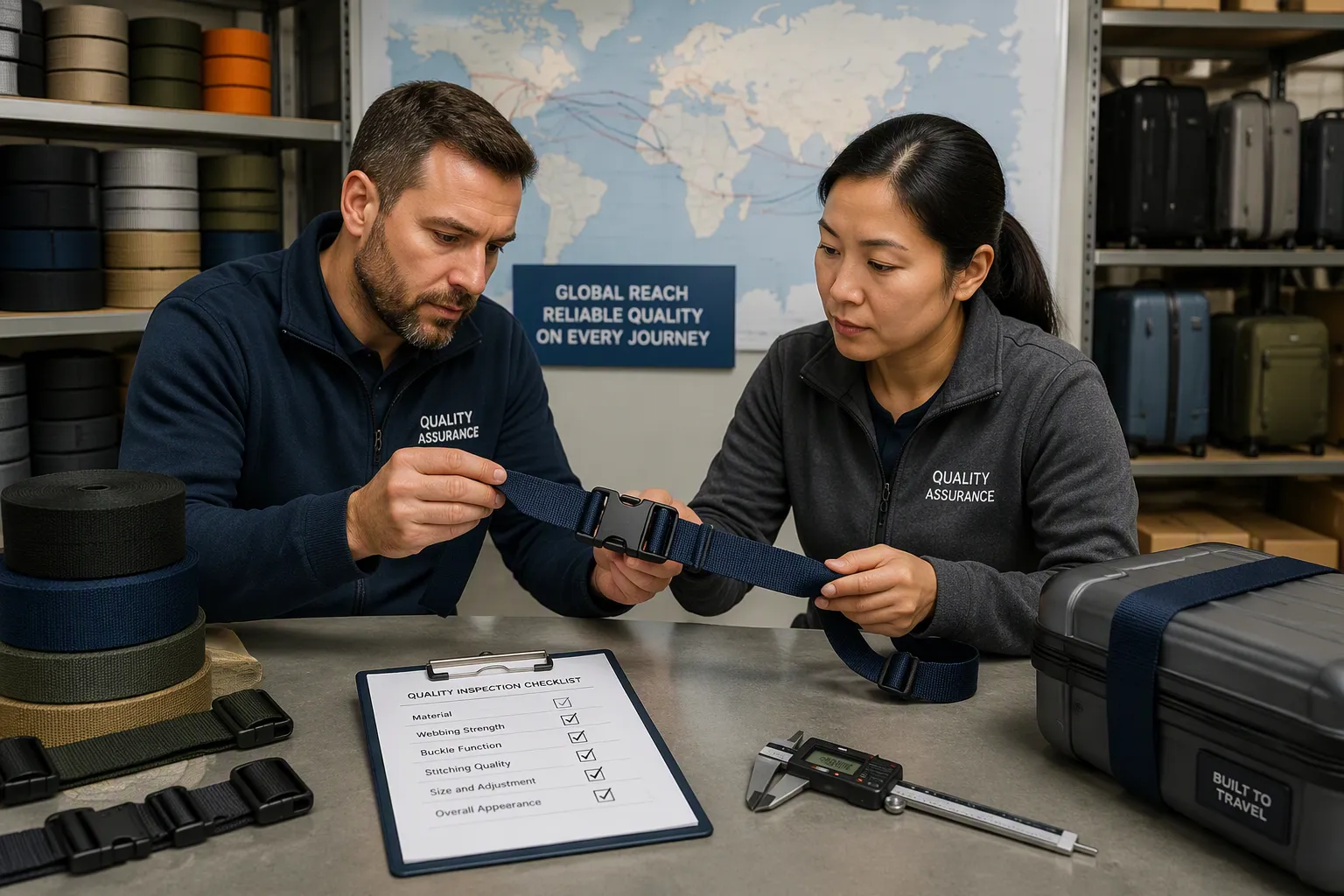
A dependable luggage strap manufacturer stands on four pillars: technical performance, application fit, regulatory compliance, and cost. Selling internationally raises the bar even more. Distributors need products that survive rough handling and supply chains that clear customs without delays.
This guide gives buyers direct criteria for each pillar. It lists the questions to ask every supplier and the warning signs that point to risk. Readers can use these checks as soon as they start shortlisting factories.
Strong quality shows up in test reports, not sales talk. Being ready to supply across borders matters just as much for travel accessories. Use both measures before placing any order.
Write a clear spec sheet before you contact suppliers. This stops confusion and makes sure every quote is based on the same requirements.
Test samples carefully for strength, durability, and adjustability. A dependable manufacturer will share test data and welcome a close look.
Check the compliance documents and factory credentials. Look at the certificate numbers and make sure they cover your specific products.
Compare the full cost of owning the product, not just the price per unit. Think about tooling, freight, duties, and defect risks so you can avoid hidden costs.
Build a lasting partnership with clear contracts and fair terms. Over time, this leads to better pricing and a steady supply.
A written spec sheet stops problems later on. It lists sizes, strap width, buckle type, load rating, color, and packaging. Then every supplier quotes from the same document. Buyers who skip this step often get samples that look right but fail on a key detail. The spec sheet also helps the buyer during price talks. A factory cannot quietly swap materials or cut stitching when the rules are in writing.
The sheet should also state the quality standard for each part. Webbing, buckles, and stitching each need a clear pass level. Buyers who distribute travel accessories should note where the strap will be used. A strap for checked bags faces different stress than one for carry-on bags. Write those use cases into the spec.
Order volume and lead time shape which manufacturers fit best. Smaller orders raise the cost per unit, while bulk manufacturing lowers cost through material and labor efficiency. Supply chain complexity adds another layer. Coordinating fabric suppliers, hardware vendors, printers, and factories brings lead-time delays, minimum order quantities, and material shortages. Buyers without volume leverage often find fewer suppliers willing to take small batches.
Sourcing Scenario | Order Volume Requirement | Expected Lead Time |
|---|---|---|
Stock items with basic finishes | Standard (no mold needed) | 7–10 days |
Custom color plating | Batch-scheduled (no mold) | 15–25 days |
New patterns requiring molds | Typically >10,000 pieces per year | 30–45 days (incl. trial rounds) |
Inventory risk needs attention too. Poor forecasting or weak sales lead to dead stock. Buyers should match order volume and lead-time promises to realistic demand. Reliable suppliers give accurate lead-time estimates and flag delays early. A durable luggage strap program depends on this rhythm. So does every other travel accessory in the catalog.
Buyers should start every technical talk with five clear questions. What webbing material and denier does the factory use? How is the buckle built? Which stitching method holds the seams? What load is the strap rated to carry? Which test reports can the supplier share? Clear answers show which factories are serious and which are just traders.
The answers should match known benchmarks. ISO 13934-1 covers strap and seam tensile strength, and ASTM D2061 covers zipper strength. ASTM D412 and ASTM D638 describe the tensile properties of strap materials. EN standards cover seam performance and safety. A strong test program also includes a 20kg static load check and abrasion testing past 1000 cycles.
Industry standards, such as ISO 13934-1 for tensile strength and ASTM D2061 for zipper strength, give the benchmarks for these checks. They help manufacturers deliver reliable gear that meets real-world demands.
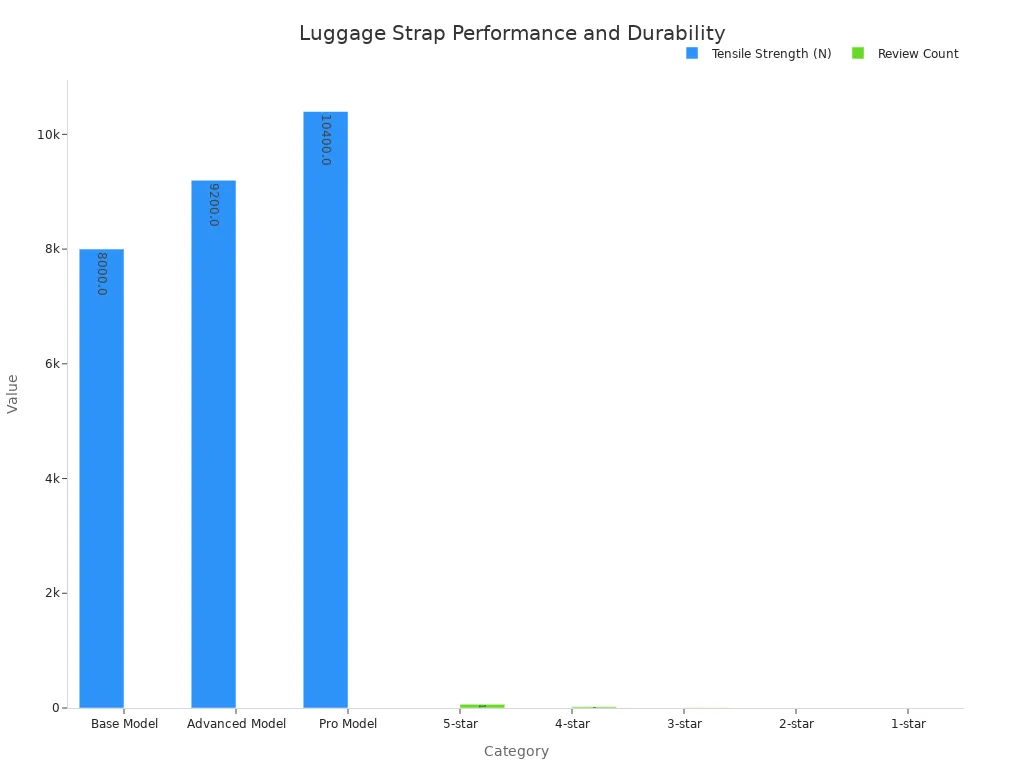
Width and reinforcement change load capacity directly. Each extra half-inch of strap width adds about 25–30% more strength. Double-layering, bar tacking, and special stitching add 30–40% strength at stress points. Safety standards such as WSTDA-T-1, SAE J684, ISO 2307, and MIL-W-4088 set working load limits near 20% of breaking strength, a 5:1 safety factor. Validation often includes 10,000 cyclic-load cycles at 50% of the working load limit, static testing to 200% of that limit, and exposure from -40°F to 180°F. A 2-inch flat strap usually reaches 6,000–8,000 lbs breaking strength, with a working load limit of 1,200–2,400 lbs.
Model | Tensile Strength |
|---|---|
Base | |
Advanced | 9,200 N (+15%) |
Pro | 10,400 N (+30%) |
Durability is one of the top testing and selection criteria for any luggage program. High-quality manufacturers use strong, sturdy materials, including eco-friendly options. Buyers checking durable luggage for international travel should trace where straps fail. Shoulder strap attachment points take repeated load and movement. Top handles and carry loops absorb concentrated stress. Zipper start and stop points wear out first. Bottom corners face abrasion. Buckles and hardware fail when metal thickness or backing is weak.
Failure Point | Proving Test |
|---|---|
Strap attachment points | Load testing |
Top handles and carry loops | Drop testing |
Zipper ends | Zipper cycle testing |
Bottom corners | Abrasion testing |
Buckles and hardware | Load testing plus inspection |
Lab results are signs, not promises. Buyers should confirm which parts were tested, the load and duration used, and whether results repeat. A structural review of reinforcement at stress points is still essential.
Red flags deserve the same attention. Watch for vague material claims, missing lab or third-party data, and samples that change between rounds. Other warning signs include unverified certifications, "tested to standard" marketing without proof, prices too low for material and testing costs, and refusal to share test data.
Market feedback confirms the pattern. In one air-travel segment, 88% of reviewers cited resistance to airport handling, and 92% in the outdoor segment cited high tensile strength. As one market report notes, durability under stress has become a main evaluation point. Buyers watch shell impact resistance, zipper strength, seam reinforcement, and wheel endurance.
A strap must fit all the bags a distributor sells. One adjustable design can cover small carry-on bags up to larger checked cases. The table below shows the specs buyers should confirm before ordering.
Feature | Specification |
|---|---|
Adjustability range | Adjustable length fitting 20–32 inch suitcases; 157-inch total length covers all luggage sizes 20–32 inches |
Security feature | TSA-approved 3-digit combination lock |
Lock body material | Durable zinc alloy |
Strap width | 4–7cm reinforced webbing (2.7 inches on featured model) |
Lockable straps add a built-in 3-digit combination lock. Once set, the lock stops the strap from being loosened or removed. This discourages casual tampering on long or multi-stop trips. The lock does not replace a suitcase's own TSA lock.
Buyers should avoid non-adjustable and non-lockable designs for luggage for international travel. These features matter most when bags pass through many hands.
Two partnership models cover most sourcing needs. Each fits a different stage of brand growth.
OEM partnership: The buyer's design team does the creative work and the factory handles the technical side. Benefits include full design control, IP ownership, and perfect brand alignment. Trade-offs are higher upfront investment, longer lead times, and higher starting costs. This model suits established brands that want exclusivity.
ODM partnership: The buyer uses the manufacturer's existing catalog and customizes it with logo, colors, and materials. Benefits include shorter production timelines, lower R&D costs, and fast market response. The main trade-off is possible design overlap. This model suits startups or brands that need fast promotional items.
Intellectual property protection is the biggest legal difference between OEM and ODM. In OEM, the buyer owns the design by default. In ODM, the factory owns the base design and can sell it to competitors. Buyers who want exclusivity must negotiate a written exclusivity clause.
Customization capability separates strong manufacturers from weak ones. Branding options include silkscreen printing, heat transfer printing, woven texturing, and offset printing. Logos can also appear on optional 3-digit combination locks. Standard sizing is 2 inches wide by 70–80 inches long, and factories accept custom specs. Material choices include polyester, nylon, and imitation nylon. Buyers should note that small details do not reproduce well on grainy textured webbing, so large patterns work best.
Compliance paperwork shows that a factory can supply goods across borders. Buyers should ask every shortlisted supplier for four groups of documents. First, quality management certifications such as ISO 9001. Second, product certifications for the target market, such as CE for the EU or RoHS where electronics are involved. Third, lab and third-party test reports for webbing strength, buckle load, and stitching. Fourth, export compliance records that show the factory ships internationally on a regular basis.
These documents protect the distributor as much as the product. A retailer in one country cannot resell goods that fail that market's rules. Buyers who plan to sell luggage for international travel should confirm the certificate scope covers straps, not just unrelated goods. Ask for the certificate number and the issuing body. Then check both against the issuer's public register.
Verification takes a few concrete steps. Match the certificate number to the factory name and address on the quote. Confirm the test report describes the same material and construction as the sample. Cross-check export records against the shipping terms in the draft contract. Treat paperwork as supporting evidence only, never as standalone proof of capability.
A photo of a certificate does not prove the document belongs to the specific order. Reference numbers on the certificate must match markings on the goods themselves.
Red flags deserve equal weight. Watch for expired certificates, missing test reports, and vague answers about which lab ran a test. Reluctance to share documentation is a serious warning sign. So is the same certificate photo appearing across different suppliers or product listings. Buyers should request the actual reference number and cross-check it against the shipment rather than accepting paperwork at face value. A single mismatch warrants closer review. Repeated mismatches should end the conversation.

Good buyers look at more than the unit price when they compare quotes. They split each quote into tooling, sampling, packaging, freight, duties, and defect rates. A low unit price often hides costs that show up later. The table below shows the questions that tell a complete quote from a thin one.
Evaluation Category | Question Buyers Should Ask Suppliers |
|---|---|
Material Specs | What is the exact fabric weight and grade? |
Production Details | Which printing method is included? |
Packaging | Are individual polybags included in the unit price? |
Logistics | Does the price cover sea freight or air freight? |
Quantity Levels | What is the price difference between 1,000 pcs and 5,000 pcs? |
Upfront fees also change the real price. Sample fees run about $50–$200 per sample, and several rounds can add $200–$800. Mold and tooling fees range from $300–$1,500 per injection mold to $500–$2,000 per die-cast mold. Printing plates cost $50–$300 per color or design. Third-party inspection adds $180–$350 per man-day, and product testing adds $100–$500 per test. Buyers should spread these one-time costs over order volume before they judge any quote.
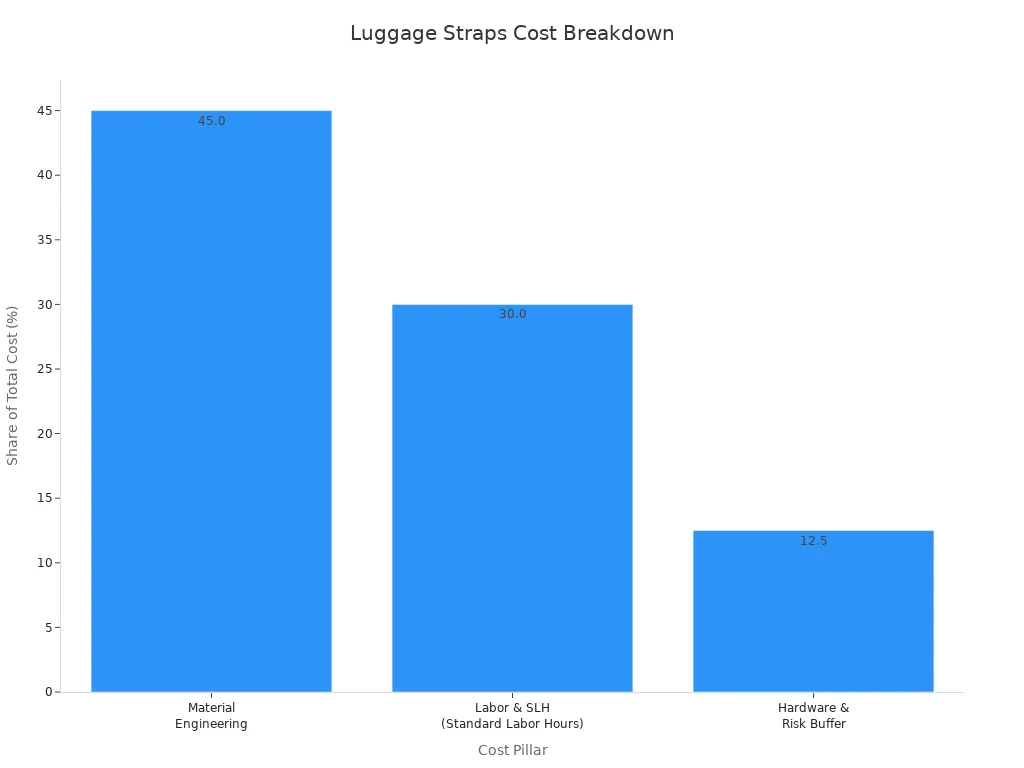
Landed cost covers every step from the supplier to the buyer's final destination. Freight rates shift with carrier pricing, fuel surcharges, port congestion, and carton dimensions. Bulky luggage items are especially sensitive to carton size and loading efficiency. Duties and taxes depend on the destination country, product classification, declared value, and trade agreements. Clearance, final delivery, inspection, insurance, and possible storage charges belong in the same calculation.
"Landed cost is the total cost of getting goods from the supplier to the buyer's final destination. It can include product price, packaging, inland transport, export handling, main freight, insurance, destination charges, customs clearance, duty, tax, final delivery, inspection, and possible storage or delay charges."
Defect risk belongs here too. One seller switched from a $12.50 to an $11.00 supplier and saved $15,000 on a 10,000-unit order. The new factory swapped a branded zipper for a generic one and cut padding density by 15%. Returns rose from 3.2% to 9.4%, and processing, disposal, and lost marketplace revenue totaled $42,000. The saving became a $27,000 net loss. Buyers should treat quotes 15% below market average as a sign of hidden compromises. Cost is a measure of value and fit, not a reason to dismiss any sourcing option. A dependable luggage strap program balances price against quality, durability, and supply reliability across every checked shipment and travel season.
Sample testing turns a spec sheet into real proof. Buyers should order samples and run a clear check before they commit to a bulk order.
Test strap strength: a pass means no tearing and no stitch popping; stitch breaks and webbing tears are failures.
Check buckle integrity: buckles must still work after load and drop testing; cracking counts as a failure.
Inspect adjustability: look for webbing slippage at adjusters after load testing, since this is a key stress point.
Apply 125%–150% of rated load, run 500–1,000 lift cycles or 1–4 hours of suspension, then inspect bartacks, seam edges, webbing folds, and adjusters.
Add dynamic pull tests and a short rest period before final inspection, because some failures show up only after stretched fibers relax.
Buyers should compare every result against the written spec. A dependable luggage strap manufacturer will welcome this close look and share test data openly.
Factory verification goes beyond the sample. Audits examine the supplier, site, systems, and production capability; pre-shipment inspection checks one defined lot against the approved sample. Buyers should confirm the legal entity that invoices and the physical site that makes the goods. Ask whether cutting, sewing, printing, or packing is subcontracted. Request AQL standards (AQL 2.5 for major defects, AQL 4.0 for minor defects), client references contacted directly, and the Foreign Trade Operator Registration. Red flags include identical factory photos across profiles, slow replies, and refusal to provide any reference.
A dependable luggage strap manufacturer becomes a partner through clear terms. Most Chinese makers set MOQs of 500–1,000 pieces, and unit price drops at higher volumes, so buyers should request quotes at several quantities. Common payment terms are 30% T/T deposit and 70% balance before shipment, with L/C for orders over $50,000. For orders above roughly $10,000, independent inspection at $200–400 protects the shipment. Contracts should cover specs, attached samples, late-delivery penalties, inspection rights, and holdback clauses. Buyers who treat suppliers fairly earn better pricing and flexible terms over time.
ALL ROAD, a state-owned manufacturer founded in 2004, stands as one example among many qualified options. The company holds ISO 9001, BSCI, CE, GS, UL, and RoHS certifications, plus 216 lab and third-party test reports. Its experience across more than 50 countries suits distributors of durable luggage for international travel.
Strong vetting protects every checked bag in the catalog. Buyers who test samples, audit factories, and negotiate written terms secure quality materials and reliable durability. That discipline serves carry-on bags and checked cases alike, and it keeps each travel season on schedule.
A dependable luggage strap manufacturer earns that label by meeting all four pillars at once. Quality, durability, and compliance matter just as much as price. No single score proves a supplier is reliable.
Buyers should follow one clear path. Write the spec sheet, ask for samples, check compliance documents, and compare total cost of ownership. This routine works for luggage for international travel and every other travel category. Travel buyers who follow it avoid costly surprises.
The next step is simple. Ask the shortlisted factories for quotes and samples. Test each sample against the spec. Then start vetting, and keep every checked bag on schedule. Durable luggage and checked shipments both reward that discipline.
Buyers should test samples from at least two production rounds. Compare each sample against the written spec sheet. Check strap strength, buckle integrity, and adjustability after load testing. A dependable luggage maker keeps sample quality the same across rounds. Samples that do not match signal risk for any luggage program.
Apply 125%–150% of the rated load, then run 500–1,000 lift cycles. Inspect bartacks, seam edges, webbing folds, and adjusters afterward. A pass means no tearing and no stitch popping. Buyers should write down results for every checked bag size the luggage line covers.
Request ISO 9001, product certifications for the target market such as CE or RoHS, lab test reports, and export compliance records. Match certificate numbers to the factory name and address. Confirm the scope covers straps. Not wanting to share paperwork is a warning sign for international travel distribution.
Split each quote into tooling, sampling, packaging, freight, duties, and defect rates. Spread one-time costs over order volume. Treat quotes 15% below market average as a sign of hidden compromises. Quality and fit matter more than the lowest unit price for any luggage order.
Contracts should cover specs, attached samples, late-delivery penalties, inspection rights, and holdback clauses. Typical terms are 30% T/T deposit and 70% balance before shipment. Most makers set MOQs of 500–1,000 pieces. Clear terms build a lasting partnership and keep every checked shipment on schedule. Buyers who plan repeat travel seasons benefit most.
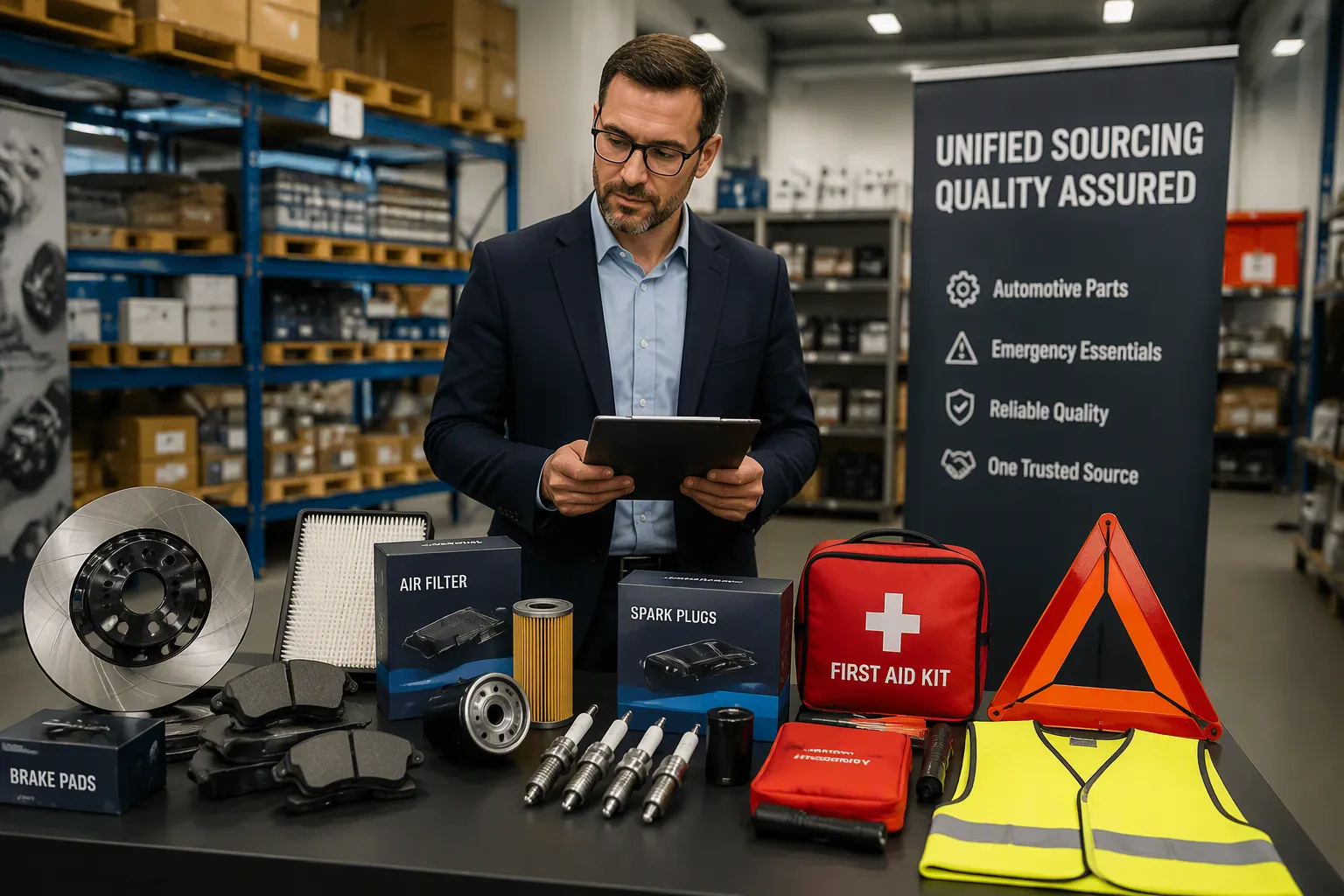
Follow seven steps to find a manufacturer that supplies automotive hardware and emergency products under one sourcing program, ensuring quality and cost efficiency.
Find out more about our news >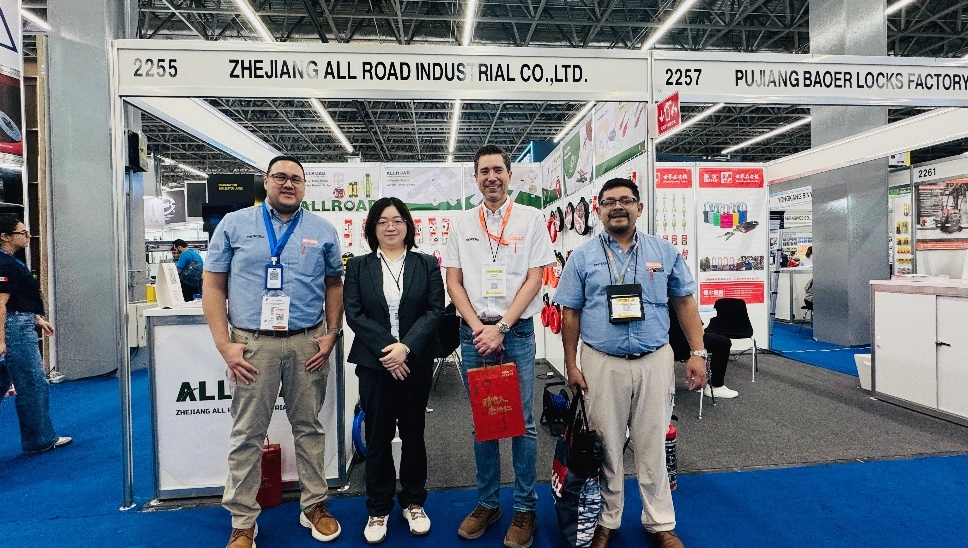
Zhejiang All Road Industrial Co.,Ltd. participated in the Mexico National Hardware Expo with its core products, using this opportunity to deepen its presence in the Latin American market and learn from cutting-edge industry practices.
Find out more about our news >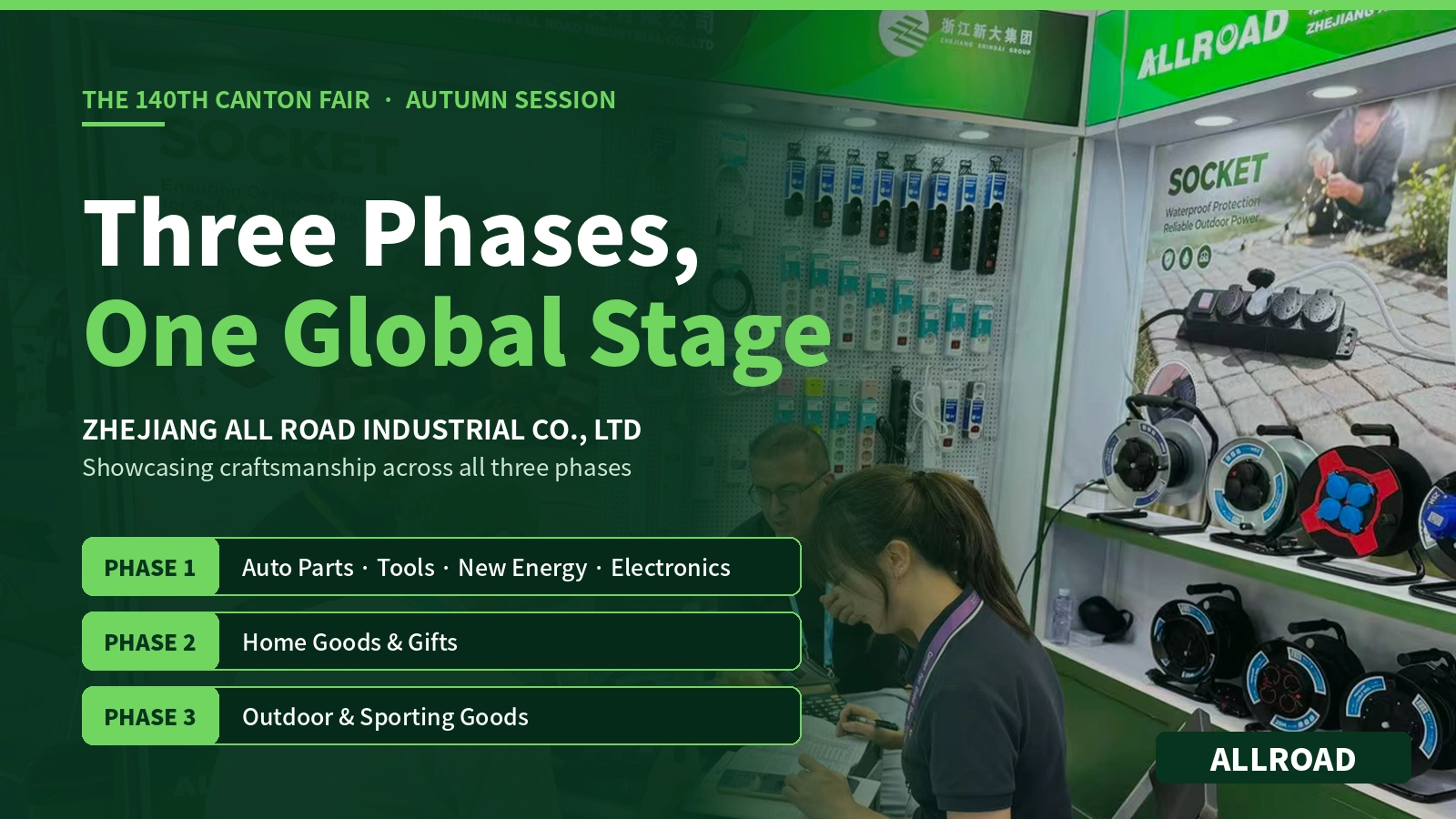
Zhejiang All Road Industrial Co., Ltd. Showcases Craftsmanship at the 140th Canton Fair (Autumn Session) and Engages Buyers from Around the World
Find out more about our news >
To recommend a manufacturer for overseas wholesale, evaluate product quality, compliance, cost, capacity, and communication using a weighted scorecard.
Find out more about our news >
Identify a reliable factory that manufactures tow ropes and cargo straps by defining specs, using targeted channels, auditing suppliers, comparing quotes, and trial orders.
Find out more about our news >
When selecting a cargo nets factory for automotive or outdoor projects, check material quality, certifications, customization, and production capacity.
Find out more about our news >