
 EN
 English
 Vietnamese
 繁体中文
 Italian
 Spanish
 Thai
 Japanese
 Portuguese
 Korean
 Russian
 French
 German
 Arabic
Stay Updated with Allroad’s
Industry Knowledge
Industry Trends, Product Knowledge & Global Trade Insights

Industry Trends, Product Knowledge & Global Trade Insights
Finding the right factory that manufactures tow ropes and cargo straps comes down to a five-step sourcing process you can repeat, not luck. These products carry real loads on the road, so a weak strap or a failed hook can put people at risk. Treat this search with more care than you would give a general accessory.
First, define your specs before you contact anyone. Second, use targeted channels to build a shortlist. Third, evaluate each candidate's capabilities and credentials. Fourth, compare quotes on performance as well as price. Fifth, run a trial order before you commit to volume.
Follow these steps, and you can judge any supplier on evidence. The next sections show you how to apply each one.
Write down your load ratings and material needs before you contact any factory.
Use trade shows and trusted online lists to make a short list of three to five suppliers.
Before you trust a factory, check its certificates, how much it can produce, and the quality of its samples.
Compare quotes based on performance and hidden costs, not just the lowest price.
Begin with a small test order, and check each item against your list before you buy in large amounts.
Write down your needs before you talk to any factory that makes tow ropes and cargo straps. A written spec sheet keeps every factory on the same checklist. Start with the working load limit, strap width, hook and ratchet hardware, and webbing material. The working load limit is the most a strap can hold under normal use, and it shapes every other choice. Break strength is a different number, usually three times the working load limit for ratchet straps under WSTDA-T-1. Never use break strength as a working load reference.
Strap Type | Typical Width | WLL (lbs) | Primary Use | Standard |
|---|---|---|---|---|
Heavy Duty Ratchet Strap | 2–4 in | 3,333–5,400 | General flatbed freight | WSTDA-T-1 |
Flatbed Cargo Strap (flat hook) | 2–4 in | 1,667–5,400 | Flatbed trailers | WSTDA-T-1 |
Truck E-Track Strap | 2 in | 3,333 | Enclosed trailers / vans | WSTDA-T-1 |
Winch Strap | 4 in | 5,400 | Heavy equipment / flatbed | WSTDA-T-1 |
Industrial Load Securing Strap | 3–4 in | Up to 6,600 | Oversized / heavy industry | EN-12195-2 |
Polyester Tie Down Strap | 1–4 in | 500–6,600 | All-purpose transport | WSTDA / EN / AS-NZ |
Tow / Recovery Strap | 2–3 in | N/A (break strength rated) | Vehicle recovery only | SAE J2056 |
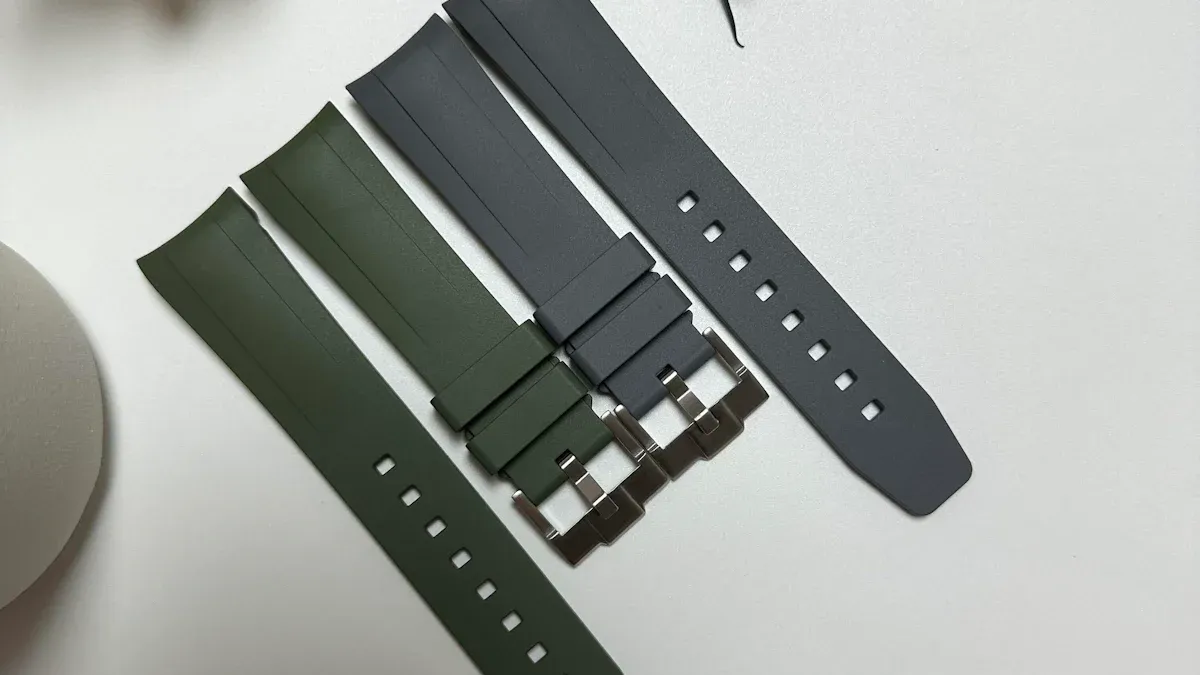
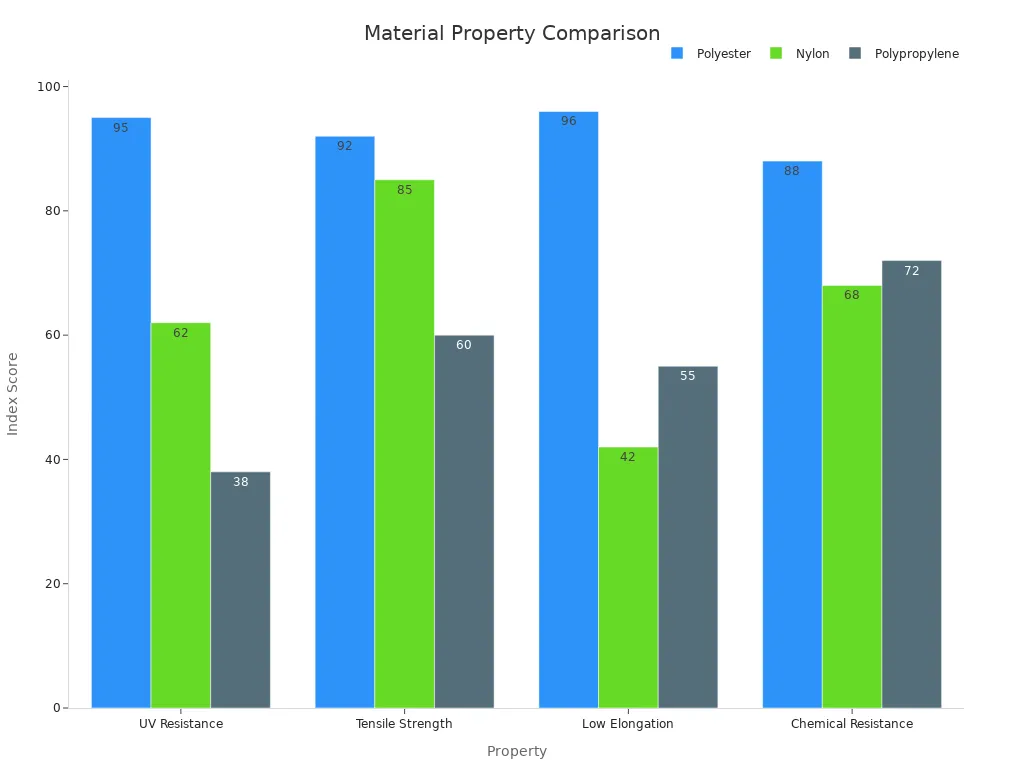
Polyester webbing works well for most cargo jobs. It stretches only a little, stands up to UV and moisture, and keeps its rated strength in a wide range of temperatures. Compare it with nylon and polypropylene before you decide.
Property (index /100) | Polyester | Nylon | Polypropylene |
|---|---|---|---|
UV Resistance | 95 | 62 | 38 |
Tensile Strength | 92 | 85 | 60 |
Low Elongation | 96 | 42 | 55 |
Chemical Resistance | 88 | 68 | 72 |
Get compliance in writing. Ask each supplier which standards apply to your order: EN12195-2 for ratchet tie down straps, plus CE, GS, TUV, and ISO where they matter. Ask for certificates and check them yourself. You can verify ISO 9001 numbers at iso.org, and BSCI audits confirm through amfori.org. Ask for SVHC test reports for REACH and lead content papers for CPSIA. Third-party audit reports from SGS, Bureau Veritas, or TÜV add more proof.
Labeling should be in the same document. State the working load limit, lashing capacity, and standard mark you want on each strap. This step matters for automotive and transport buyers who resell under their own brand. A factory that stalls on labeling questions is one to drop from your list.
Trade shows let you meet many makers in one trip. The China International Logistics Exhibition (CILE) runs every year in Shanghai and brings in freight security exhibitors. Intermodal North America covers freight security for the North American market. LogiMAT in Germany focuses on material handling. Walk the floor with your spec sheet from Tip 1 and ask each booth the same questions.
Directories give you a second layer of proof. ThomasNet lists verified suppliers based in the U.S. Made-in-China Verified Suppliers carry factory audits. CCCMIE covers Chinese machinery and electronics members. Match your shortlist against these directories and trade show contacts. Amazon Best Sellers shows you which tow straps and cargo products buyers really want, so you can judge demand before you commit.
Category | Name | Region/Scope |
|---|---|---|
Trade Show | China International Logistics Exhibition (CILE) | Shanghai, China (annual) |
Trade Show | Intermodal North America | North America (freight security) |
Trade Show | LogiMAT | Germany (material handling) |
Directory | ThomasNet | U.S.-based, verified suppliers |
Directory | Made-in-China Verified Suppliers | China (factory audits) |
Directory | CCCMIE | China (machinery & electronics members) |
B2B Platform | Alibaba.com, Global Sources, Made-in-China.com | Global (50,000+ verified manufacturers) |
Digital platforms widen your pool fast. Alibaba.com, Global Sources, and Made-in-China.com together list more than 50,000 verified manufacturers. Use the verified supplier filter on every search. Then cross-check each listing against a directory or a trade show contact. One platform alone will not tell you whether a factory that manufactures tow ropes and cargo straps runs real production lines.
Buyers sourcing ratchet tie down straps in China should treat every profile as a claim, not a fact. Ask for the audit report behind the badge. Confirm the supplier name matches the certificate. A direct factory will answer these questions without delay. A trading company posing as a direct factory usually will not. Build a shortlist of three to five suppliers, then move to Tip 3 and test them.
Start with the paperwork. Ask any maker of ratchet tie down straps in China for ISO 9001:2015, BSCI, CE, GS, UL, and RoHS certificates. For load security, EN 12195-2 matters most because it proves the lashing capacity rating. Check each certificate number with the group that issued it. Throw out expired or mismatched papers. A good maker of ratchet tie down straps in China will be glad to have you check.
Then go through four audit steps:
Check certifications and make sure the supplier name matches each certificate.
Look over third-party audit papers and ask for references from other buyers.
Ask for samples and test reports, then book a third-party inspection before shipment.
Rate material quality, manufacturing standards, compliance, pricing, communication, and after-sales support.
Audit Metric | What to Check |
|---|---|
Production capacity | Years in business, facility size, number of staff |
Equipment | Big factory spaces point to steady high-volume output |
Quality control | Factory audits of material handling and QC steps |
Compliance | EN 12195-2, DOT rules, ISO 9001 |
Operations | On-time delivery rate, response time, reorder rate |
Compare at least three suppliers side by side. Good makers keep records of every batch. A direct factory shares its equipment list and QC lead without delay. Ask the maker of ratchet tie down straps in China for a capacity sheet.
Look over every sample by hand. Check webbing width, stitching pattern, ratchet handle movement, and hook finish. Make sure the working load limit and break strength are listed as separate numbers. Ask for third-party test reports on elongation, UV resistance, and abrasion. Ask for batch traceability through inspection numbers or production dates. Product quality shows in the stitching.
Compare them to strong players. All Road brings years of experience, ISO 9001:2015, BSCI-certified factories, TUV/GS, CE, UL, and RoHS approvals, an in-house lab, and lab and third-party test reports. Erickson, DOT Tiedown, US Cargo Control, B/A Products, and Mac's Custom Tie-Downs set similar bars. A good maker of ratchet tie down straps shares pre-production samples and break strength results without delay. Any factory that makes tow ropes and cargo straps should pass the same test. Tow straps follow the same audit logic. Good makers answer these questions fast.
A low unit price can hide a high cost later on. Compare quotes on load rating, hardware durability, and testing paperwork alongside the unit cost. A budget strap often costs $8–$12 each, while a premium heavy-duty strap costs $18–$28. The cheap option looks better on the invoice. The table below shows why it rarely is.
Factor | Budget strap | Premium heavy-duty strap |
|---|---|---|
Break strength | Often unmarked or ~6,000 lb | 10,000 lb (3,333 lb WLL) |
Ratchet hardware | Thin stamped, develops play | Heavy-gauge, smooth release |
Typical service life | 4–8 months | 18–30 months |
2-year cost to keep one in service | ~$36 (buy 4) plus labor | ~$22 (buy 1) |
Federal rule ties the working load limit to one-third of break strength. An inspector who cannot read a clear WLL tag treats the strap as unrated under FMCSA 49 CFR 393. That can lead to an out-of-service order and a delayed load. A strap that saved $12 can cost a four-figure violation. Ask every supplier for permanent WLL labels and written break strength. Then weigh the hidden labor cost of a strap that loosens mid-route and forces a roadside re-tension stop.
Terms vary widely between factories, so put every number in writing before production. Confirm the MOQ for each strap type with the factory. Standard lead time runs roughly 30–45 days from approval to completion. Hardware alone takes about 35–50 days on a trial order and about 45 days on an official order. Complete sets run about 50–60 days on a trial order and about 55 days on an official order. Add sample approval time and plan around Lunar New Year, when factories close for about two weeks.
Payment terms deserve the same scrutiny. Avoid 100% upfront payment. A trustworthy manufacturer of ratchet tie down straps typically accepts a 30% deposit with the 70% balance due before shipment. Use T/T for smaller orders and L/C for larger deals. Location also shapes lead time. All Road's subsidiaries and joint-venture factories in Thailand and North America show how a nearby production site can shorten delivery. A reliable manufacturer of ratchet tie down straps in China will confirm all of this in writing. Treat any supplier that resists written terms as a warning sign.
A trial order is your last test. Order a small batch from each supplier on your shortlist. Then check every unit against the checklist you made in Tip 1. Write down the results before you commit to a large order. This step turns promises into proof.
Build the checklist around the parts that break first. Check webbing for cuts, frays, fading, grease, and dirt. Confirm the working load limit marking and the strap length. Look at hooks, D-rings, and ratchet handles for cracks, bends, missing parts, looseness, and needed lubrication. A reliable manufacturer of ratchet tie down straps will welcome this close look.
Component | What to Check | Replace If |
|---|---|---|
Webbing | Cuts, fraying, discoloration, stiffness | Any cut deeper than surface level |
Ratchet mechanism | Smooth pawl movement, no corrosion | Pawl sticks or skips under load |
Hooks | Straightness, latch function, cracks | Hook is bent more than 10 degrees |
Stitching (at loops) | Unraveling, separation, wear | Any thread separation visible |
Markings matter as much as hardware. Look for a WLL stamp on the hardware itself, a WSTDA-RS-1 reference, a polyester webbing label, the country of manufacture, and a lot or batch number. These markings confirm the load rating, the material, and traceability.
Paperwork separates a reliable manufacturer from one that just hopes for the best. Ask for product specification datasheets and test reports with every batch. All Road's product specification datasheets show how much paperwork you should expect. A reliable manufacturer of ratchet tie down straps in China also offers OEM/ODM services and private-label options. Ask for pre-production samples and compare them to the trial batch.
Run two or three trial orders before you scale up. Track defect rates, on-time delivery, and how fast they respond. A reliable manufacturer of ratchet tie down straps in China will show steady results across batches. The same logic applies to tow straps and every other item on your list. Once the numbers hold steady, move to volume orders with confidence.
A clear five-step process works better than guessing every time. Set your specs, use focused channels, check what each factory can do, compare quotes on performance, and place a trial order. Each step builds on the one before it.
Careful checking is what really matters here. Review every supplier, test every sample, and keep records of every trial order. Put your terms in writing with each supplier. Talking openly with a factory protects your supply chain much better than a low quote. A supplier you can trust earns it through proof, not promises.
You now have a method you can repeat. Use it with each new factory, and you can build a lasting partnership that keeps your cargo safe for years.
Put three to five suppliers on your shortlist. That number gives you enough quotes to compare without making your review too hard. Ask each one the same questions from your spec sheet. A short list also makes sample testing and factory audits easier to plan.
Look for ISO 9001:2015 and BSCI certification, plus TUV/GS, CE, UL, and RoHS approvals where they apply. For load security, EN 12195-2 proves the lashing capacity rating. Check each certificate number with the group that issued it. A serious factory will be glad to have you check.
A supplier you can trust usually asks for a 30% deposit, with the 70% balance due before shipment. Use T/T for smaller orders and L/C for larger deals. Stay away from any supplier that demands 100% upfront. Get every term in writing before production starts.
Standard lead time runs about 30–45 days from approval to completion. Hardware alone takes roughly 35–50 days on a trial order. Complete sets run about 50–60 days. Add sample approval time, and plan around Lunar New Year, when factories close for about two weeks.
Expect product specification datasheets and test reports with every batch. All Road's product specification datasheets and lab and third-party test reports show the level of paperwork to expect. Ask for batch traceability through inspection numbers or production dates. Paperwork that stays steady across batches signals a supplier you can depend on.
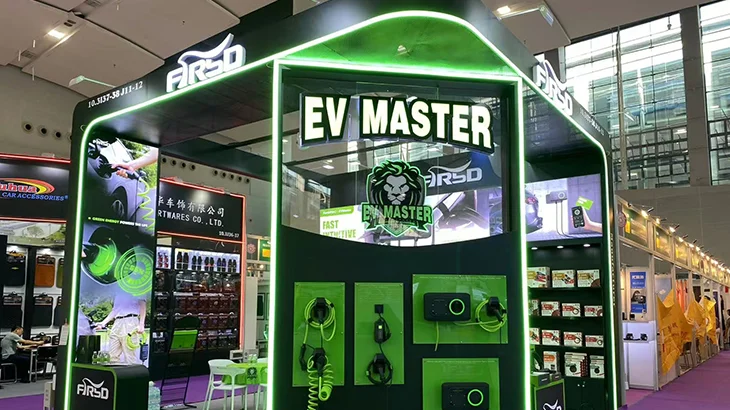
As an important international trade fair, the Canton Fair attracts merchants from all over the world to come and discuss cooperation. From April 15 to May 5, Aolu Industry and Trade Co., Ltd. participated in the fair with its core products and exchanged ideas with merchants from home and abroad.
Find out more about our news >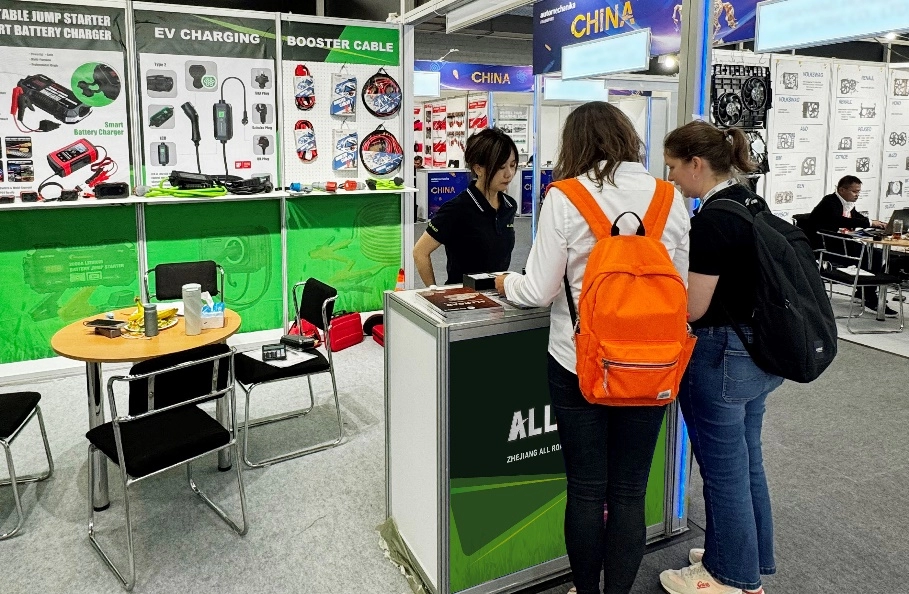
In the face of natural disasters, housing crises, or the need for rapid public infrastructure, the ability to deploy high-quality safe, and durable shelters is paramount. For Government Procurement Officers and NGOs.
Find out more about our news >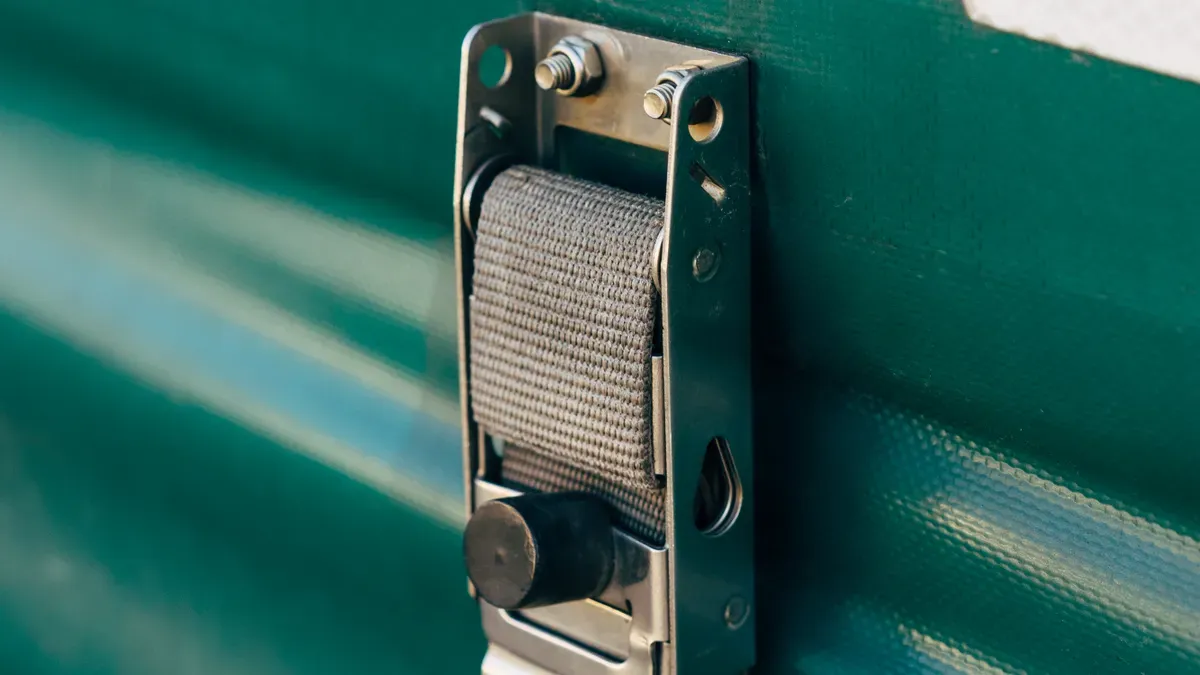
To recommend a Chinese factory for heavy duty cargo straps, check ISO certifications, third-party testing, and export experience. Verify compliance and support.
Find out more about our news >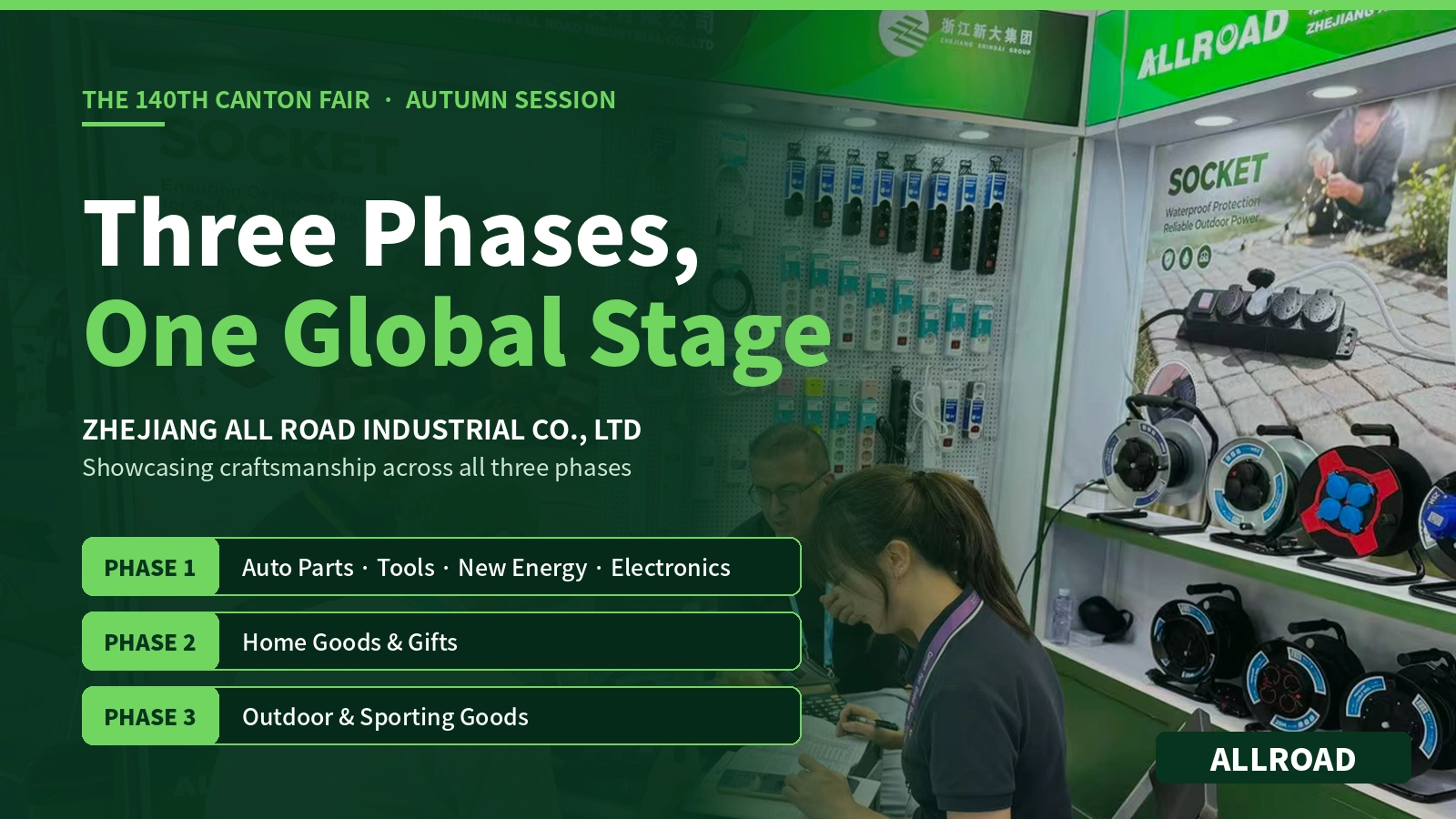
Zhejiang All Road Industrial Co., Ltd. Showcases Craftsmanship at the 140th Canton Fair (Autumn Session) and Engages Buyers from Around the World
Find out more about our news >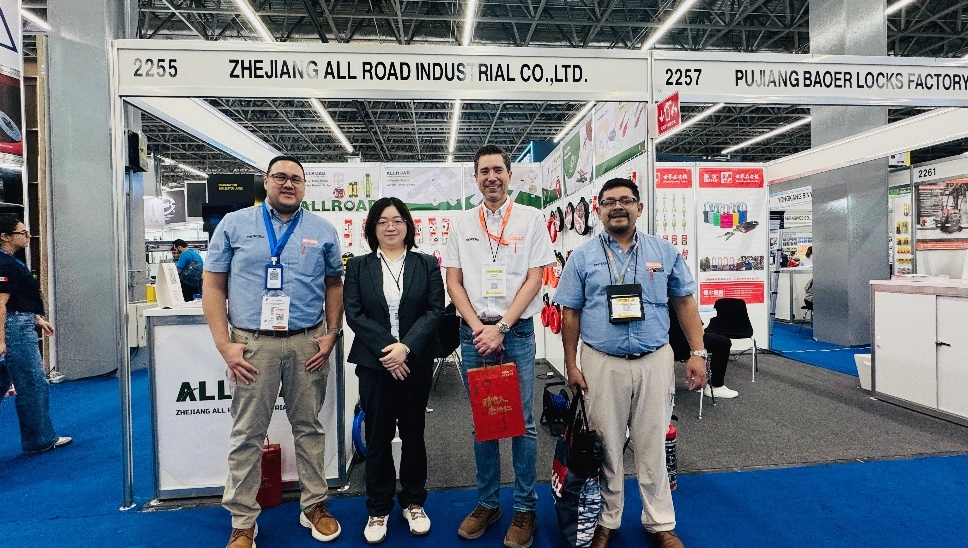
Zhejiang All Road Industrial Co.,Ltd. participated in the Mexico National Hardware Expo with its core products, using this opportunity to deepen its presence in the Latin American market and learn from cutting-edge industry practices.
Find out more about our news >
Identify a suitable manufacturer in China for fish tape tools by checking specs, capacity, certifications, customization, cost, and contracts. This checklist guides you.
Find out more about our news >