
 EN
 English
 Vietnamese
 繁体中文
 Italian
 Spanish
 Thai
 Japanese
 Portuguese
 Korean
 Russian
 French
 German
 Arabic
Stay Updated with Allroad’s
Industry Knowledge
Industry Trends, Product Knowledge & Global Trade Insights

Industry Trends, Product Knowledge & Global Trade Insights
How do you identify a suitable manufacturer in China for fish tape tools without wasting months on bad starts? Begin with a set checklist. You need to check technical specs and quality, production capacity, compliance and certifications, customization and OEM options, cost structure, due diligence results, and contract terms. Electrical supply distributors face real risk here. A poor supplier choice hurts your margins and your reputation with every electrical contractor you serve. Treat the checklist as a filter, not a wish list. This post turns each item into a step-by-step roadmap. Work through the steps in order, and you will compare distributors' options on evidence rather than on price alone.
Set your fish tape specs and quality standards first. This step makes sure you stock products that meet contractor needs.
Check what the manufacturer can produce and what certifications they have. A dependable supplier delivers on time and follows safety rules.
Look at the customization choices and the total cost. The lowest price may not be the best deal for your business.
Do audits, order samples, and check references. These steps check the factory's claims and quality.
Make sure your contract with the manufacturer is clear. Good terms protect your profits and your good name.
Begin with the material. Steel fish tapes come in blued, stainless, and braided types. Blued steel gives high tensile strength for long runs and large wire bundles. Stainless steel adds rust resistance for wet or coastal sites. Braided steel moves through tight bends with more flexibility. Fiberglass fish tapes do not conduct electricity, so they work well near live circuits. That safety matters most to contractors who pull through panels that are still in use.
Length decides your market fit. The 50 ft and 100 ft sizes cover most residential and light commercial jobs. Longer runs reach 200 ft, 240 ft, and up to 500 ft. A heavy duty fish tape in 240 ft steel sells well for long conduit runs. Keep professional-grade fish tapes in both steel and fiberglass in stock to cover your full customer base.
Electrical wholesalers often bundle pulling accessories with every fish tape order. Cable grips chinese fingers are the classic add-on. These tubular wire mesh grips slide over a cable and tighten under load. A double-weave chinese finger handles heavier pulls. A single double-weave grip covers lighter cable. Check the mesh weave, the end fittings, and the fit across common cable diameters before you commit.
Quality checks decide whether a batch earns repeat orders. Demand a tensile strength rating and reject any product that lacks one. Run a fingernail along the tip; a catch means burrs or a poor weld. Confirm the 3/16" × 0.012" dimension, since thinner tapes buckle under load. Look for laser-etched markings and dual-bearing reels. Ask for independent lab test reports, not marketing claims.
Capacity shows whether a supplier can grow with your orders. Ask for monthly output numbers for fish tapes and pulling accessories. Get the current production schedule and the lead time for a repeat order. A supplier with spare capacity gives realistic delivery dates. A supplier running at full load gives hopeful dates and then misses them.
Use ALL ROAD as a helpful example. The company runs facilities in Zhejiang and Dongguan, plus joint ventures in Thailand. That setup spreads risk across sites and supports volume growth. A single-site china factory carries more risk of disruption. Ask each candidate how many production lines serve fish tapes and how fast they can add shifts.
Scalability matters for seasonal demand. Electrical wholesalers often see order spikes before construction season. Confirm the supplier can raise output without stretching lead times. Request a written capacity commitment for your peak months. Check the export track record to electrical wholesalers in your region. Ask for customer references and shipping volumes by destination. A manufacturer with steady export history to your market understands your documentation and packaging needs.
Certifications separate serious manufacturers from trading companies. Start with ISO 9001:2015 for quality management. Then check product-level marks: CE, GS, UL, and RoHS. These marks matter for electrical goods sold into Europe and North America. A fiberglass fish tape needs documented non-conductive performance. Ask for the test report behind that claim.
ALL ROAD shows what a strong compliance file looks like. The company holds ISO 9001:2015 certification and opened an in-house laboratory in 2017. It carries 38 authorized patents and 216 lab and third-party test reports. That paper trail lets you answer contractor questions fast. A chinese factory without test reports forces you to run your own lab checks. That cost lands on your margin.
Verify every certificate directly. Request the certificate number and issuing body. Check the scope covers the exact product you plan to buy. Confirm the certificate is current, not expired. Ask whether the factory tests each batch or only the first article. Batch testing protects your quality record across repeat orders. Finally, confirm the manufacturing site matches the certificate holder. A mismatch signals outsourcing you cannot trace.
Ask each candidate what it can customize. A strong chinese supplier offers private-label printing on reels, custom colors, and branded packaging. You can order retail-ready cartons with your logo and barcode. Many factories also build custom assortments, such as a kit that pairs a fish tape with cable grips. Confirm which options carry extra tooling fees and which come standard.
Minimum order quantities decide whether customization pays. A factory may waive setup charges above a certain volume per SKU. Ask for the MOQ on standard items and on private-label runs. Compare those numbers against your realistic sell-through. Small MOQs let you test a new fiberglass fish tape without tying up cash. Large MOQs lower unit cost but raise inventory risk. Request a written quote that lists every setup, plate, and packaging charge.
The lowest unit price rarely delivers the lowest total cost. Weigh lead times, freight, defect rates, and reorder reliability together. A cheap fish tape that arrives late costs you lost sales and rush shipping. A batch with high defect rates costs you returns, credits, and contractor trust. Track the defect rate per shipment and compare it across suppliers.
Freight changes the math on bulky goods. Fish tapes ship in long cartons, so container loading efficiency matters. Ask how the manufacturer packs reels and whether it nests cartons to cut empty space. Reliable reorder performance protects your stock levels. A supplier with steady lead times lets you carry less safety stock. Add up landed cost, defect cost, and carrying cost before you compare quotes. Prioritize the manufacturer that fits your volume and service needs over the one with the lowest headline price.
Start your shortlist on B2B sites like Made-in-China.com. Look for suppliers that list fish tapes and pulling tools as main products, not extras. Filter by years in business, export markets, and certification claims. A platform listing is a starting point, not proof. You still need to identify a suitable manufacturer in china by checking them yourself.
Book a factory audit next. Visit in person when your order size makes the trip worth it. If not, hire a third-party inspection firm to walk the floor. Watch how the chinese factory handles incoming steel, reel assembly, and final packing. Ask to see the in-house lab and the test logs for each batch. A factory that tracks batch results gives you a quality record you can trace.
Order samples before you commit to any bulk order. Test a steel fish tape and a fiberglass fish tape side by side. Pull each one through a mock conduit bend and check for kinks, burrs, and reel wobble. Inspect bundled cable grips for mesh weave and end fitting fit. Compare the sample against the spec sheet line by line. Keep the approved sample as your golden reference for future shipments.
Call references last. Ask each candidate for two or three electrical wholesalers it already serves. Ask those buyers about on-time delivery, defect handling, and response speed. A manufacturer with steady references answers fast. Vague or missing references tell you a lot.
Test communication before you sign. Send a technical question and time the reply. Confirm the contact speaks your working language clearly and answers in writing. Slow or fuzzy replies during the sales phase predict slow replies during a quality dispute. Set a response standard in your own process and hold candidates to it.
Negotiate MOQs against your real sell-through. Ask for the MOQ on standard reels and on private-label runs. Push for a trial order size that lets you test the market without heavy inventory. Confirm setup fees, plate costs, and packaging charges in writing.
Lock the key clauses into the contract. Specify product specs, test requirements, packaging, lead times, and defect remedies. Define the acceptable defect rate and the credit or replacement terms. Add an inspection clause that lets you reject nonconforming batches. Name the certificate numbers the factory must maintain.
Weigh fit over the lowest quote at every step. The right partner matches your volume, your market, and your service expectations. Apply this checklist to your next sourcing decision, and you will identify a suitable manufacturer in china with confidence.
You now have a roadmap you can use again and again. First, define your fish tape specs, including steel and fiberglass options. Next, assess capacity and compliance. After that, evaluate customization and cost. Finish with due diligence and clear contract terms. Each step filters out weak candidates before they cost you money.
Fit beats the lowest quote every time. A manufacturer that matches your volume, your market, and your service expectations gives you stable, long-term supply. That stability protects your margins and your reputation with every electrical contractor you serve.
Apply this checklist to your next sourcing decision. You will identify a suitable manufacturer in china with confidence, and your electrical distributors will thank you for the reliable fish tapes on your shelves.
MOQs are different for each item and each customization level. Ask about the MOQ for standard reels and for private-label runs separately. A trial order size lets you test the market without holding a lot of inventory. Before you commit, confirm every setup and packaging charge in writing.
Ask for the certificate number and the issuing body for each mark. Check that the scope covers the exact product you plan to buy. Make sure the certificate is current. Match the certificate holder to the manufacturing site. If they do not match, that signals outsourcing you cannot trace.
Pull the sample through a mock conduit bend. Check for kinks, burrs, and reel wobble. Look at bundled cable grips for mesh weave and end fitting fit. Compare the sample against the spec sheet line by line. Keep the approved sample as your golden reference.
Lead times depend on output and current load. Ask for the production schedule and a written delivery date. A supplier with spare capacity gives realistic dates. Confirm the factory can raise output during peak construction season without stretching lead times.
A cheap quote can hide late shipments, high defect rates, and weak reorder reliability. Weigh landed cost, defect cost, and carrying cost together. The right partner matches your volume, your market, and your service expectations. That fit protects your margins and your reputation with every electrical contractor. Reliable fish tapes on your shelves keep those contractors coming back.
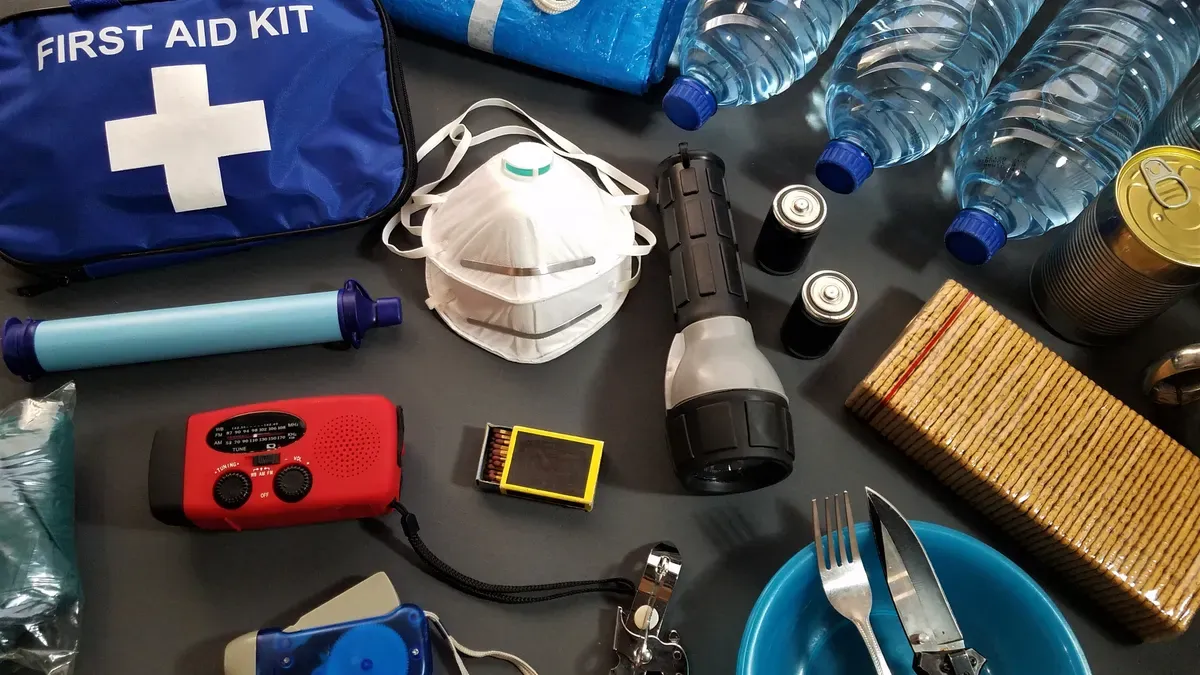
To recommend a manufacturer for overseas wholesale, evaluate product quality, compliance, cost, capacity, and communication using a weighted scorecard.
Find out more about our news >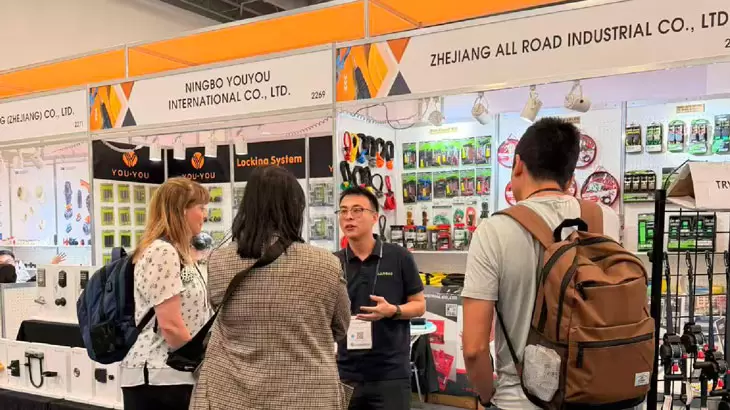
As morning light bathes the Las Vegas Convention Center, the annual flagship event for the global hardware and auto parts industry — the 2026 National Hardware Show (NHS, Concept to Commerce) — grandly kicked off from March 31 to April 2. ZHEJIANG ALL ROAD INDUSTRIAL and Trade Co., Ltd. (hereinafter referred to as “ZHEJIANG ALL ROAD”) showcased its core auto parts and hardware tool product lines,
Find out more about our news >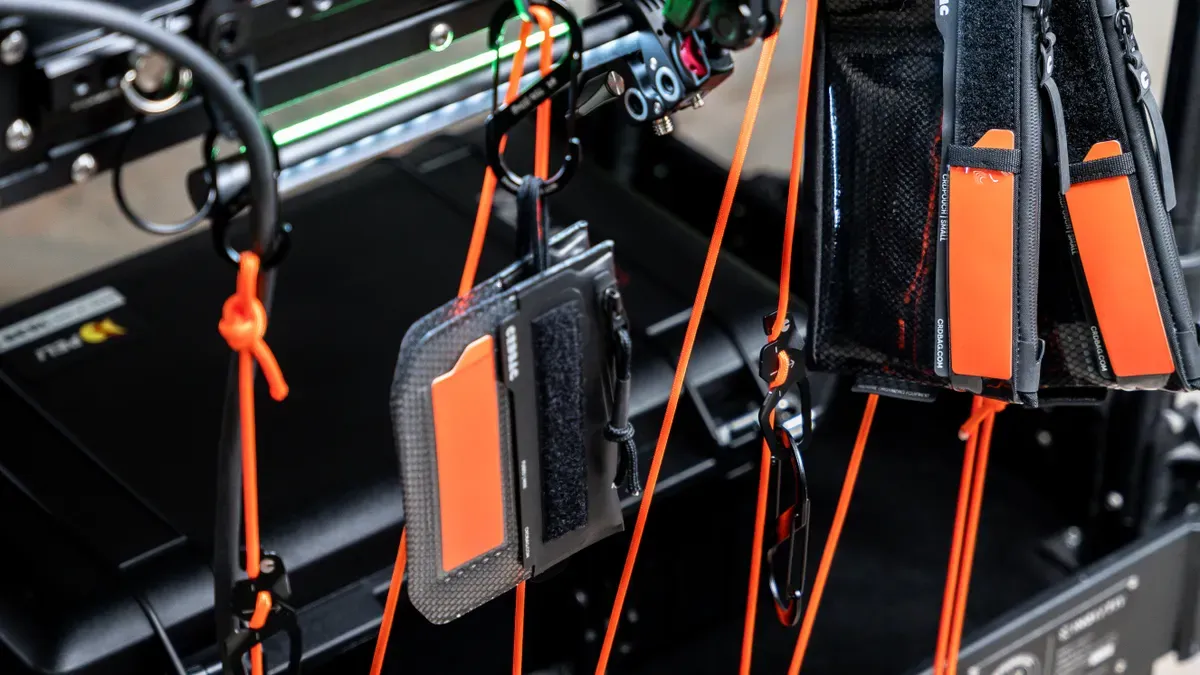
To find a reputable luggage strap manufacturer in China, research hubs, vet credentials, test samples, and negotiate clear terms to protect your brand.
Find out more about our news >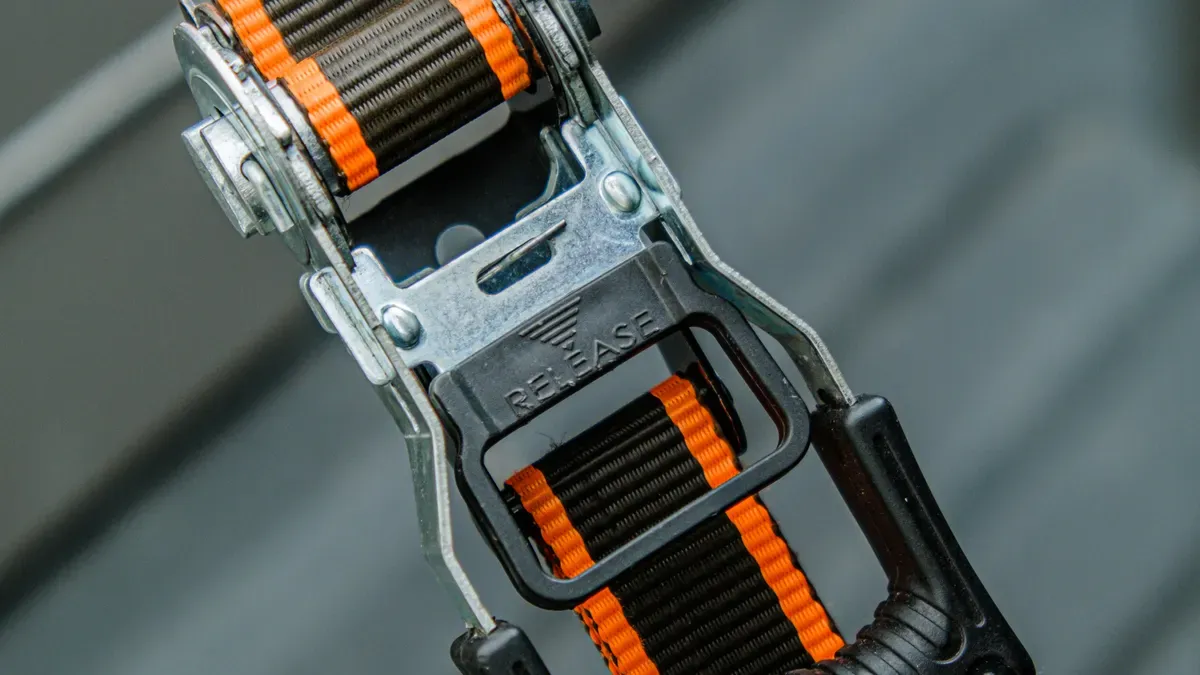
Learn how to vet Chinese manufacturers for ratchet tie down straps: verify credentials, request samples, and conduct inspections to secure a reliable wholesale partner.
Find out more about our news >
For 2026, choose a specialized mid-to-large Chinese manufacturer for OEM ratchet tie down straps with in-house webbing and certified assembly for safety and compliance.
Find out more about our news >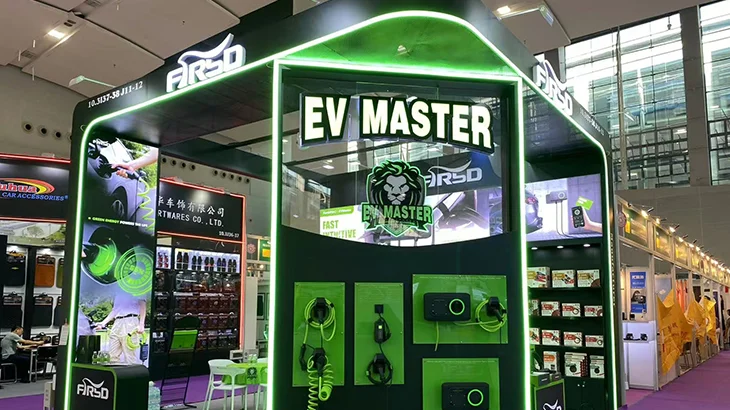
As an important international trade fair, the Canton Fair attracts merchants from all over the world to come and discuss cooperation. From April 15 to May 5, Aolu Industry and Trade Co., Ltd. participated in the fair with its core products and exchanged ideas with merchants from home and abroad.
Find out more about our news >