
 EN
 English
 Vietnamese
 繁体中文
 Italian
 Spanish
 Thai
 Japanese
 Portuguese
 Korean
 Russian
 French
 German
 Arabic
Stay Updated with Allroad’s
Industry Knowledge
Industry Trends, Product Knowledge & Global Trade Insights

Industry Trends, Product Knowledge & Global Trade Insights

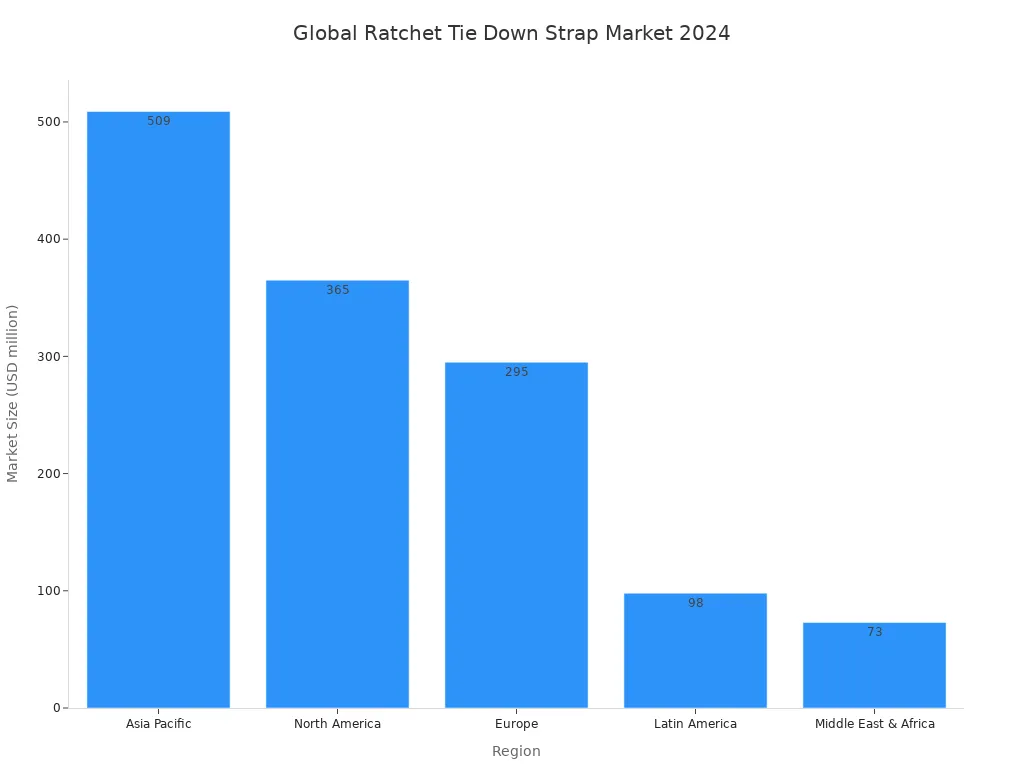
For most buyers in 2026, a specialized mid-to-large Chinese manufacturer for oem ratchet tie down straps with in-house webbing production and certified assembly is the safest default. The global ratchet straps market reached USD 1.34 billion in 2024, and Asia Pacific held about 38% of it.
The best choice still changes with order size, how much customization you need, compliance needs, and budget target. A high-volume program, a deep private-label build, and a tight budget each point to a different kind of partner.
This comparison weighs four types of ratchet strap suppliers — large-scale, specialized, low-cost, and full-service — against the criteria that matter. Each type fits different needs.
For most buyers in 2026, the safest default is a specialized mid-to-large manufacturer.
Big factories are good for large orders of standard products that need few changes.
Experts are very good at making custom products and doing private-label work.
Cheap suppliers work well for small budgets, but buyers need to plan for inspections.
Partners that offer full service make it easier to source many types of products and cut down on paperwork.
Polyester webbing is the usual material for ratchet straps. It stretches only a little under load, resists UV and abrasion, and keeps its strength in bad weather. The size and style range should fit the job. A chinese manufacturer for oem ratchet tie down straps should offer enough widths and fitting options to cover the target application.
Technical performance decides safety. Buyers should check breaking strength, ratchet mechanism quality, and access to lab and third-party test reports. The working load limit (WLL) builds in a safety factor, commonly 3:1 or 4:1 under standards such as EN12195-2 or WSTDA.
For a 2,000 lb load, straps should add up to 2,000 lbs of working capacity; many experts prefer front and rear straps each rated to the full load.
Strap Example
Break Strength
Working Load Limit (WLL)
Heavy Duty 1-inch strap
1,000 lbs
5K yellow strap
5,000 lbs
1,666 lbs
10K yellow strap
10,000 lbs
3,333 lbs
Compliance is what separates serious ratchet strap manufacturers from trading companies. ISO 9001:2015 shows a quality system covers raw material sourcing and final testing. CE, GS, and S-mark markings signal tested safety and manufacturing quality. A chinese ratchet strap supplier for europe must also meet EN 12195-2, which covers lashing capacity, standard tension force, and a permanent sewn-in label.
Established factories hold deeper certification files. A mature chinese supplier can supply EN 12195-2 test reports, specification datasheets, and export compliance documents on request. Buyers comparing ratchet strap suppliers should ask for these files early. EN 12195-2 compliant ratchet straps with full paperwork clear customs and cross-border transport checks with fewer delays.
Large plants win on repeatability. A big ratchet strap manufacturer runs the same loom settings, the same stitching patterns, and the same ratchet assembly steps across long production runs. Standardized specifications give buyers clear benefits.
Advantage of Standardized Specifications | Supporting Detail |
|---|---|
Product consistency and quality | A standardized production process keeps ratchet tie downs at the same quality level from unit to unit. |
Cost-efficiency | Large-scale output plus standardized processes keeps production costs down. |
Reliable, stable performance | Standardized manufacturing supports steady performance under many different working conditions. |
Ability to serve large projects and bulk orders | High-volume capacity paired with standardized production meets large project and bulk-order needs quickly. |
Lead times stay efficient for repeat orders. Once a buyer approves a specification, chinese factories at this scale can plan steady output and ship on a predictable schedule. Buyers who compare ratchet strap suppliers for a long-running program value that steady rhythm.
This type fits buyers with stable, high-volume standard programs and little need for customization. A distributor who reorders the same 2-inch and 4-inch ratchet straps every quarter, with no private-label changes, gets the most from a large plant. The same is true for a retailer rolling out a fixed catalog across many stores.
Fleet buyers benefit too. Standardizing on rated, matched components across a fleet, instead of loose, mismatched tie-down gear put together ad hoc, is said to cut inspection failures and reduce re-securing stops on long hauls. Standardization also cuts driver confusion at roadside inspections and makes replacement-parts inventory simpler by lowering the number of SKUs crews must track.
High-volume private-label work with light customization can still fit, as long as the changes stay within the plant's standard tooling. Deep design changes, unusual fittings, or new webbing constructions usually point elsewhere. A buyer weighing ratchet strap manufacturers should match order profile to plant type before asking for quotes. The chinese ratchet strap supplier that fits a steady, standardized program may not fit a niche build, and the reverse is also true.
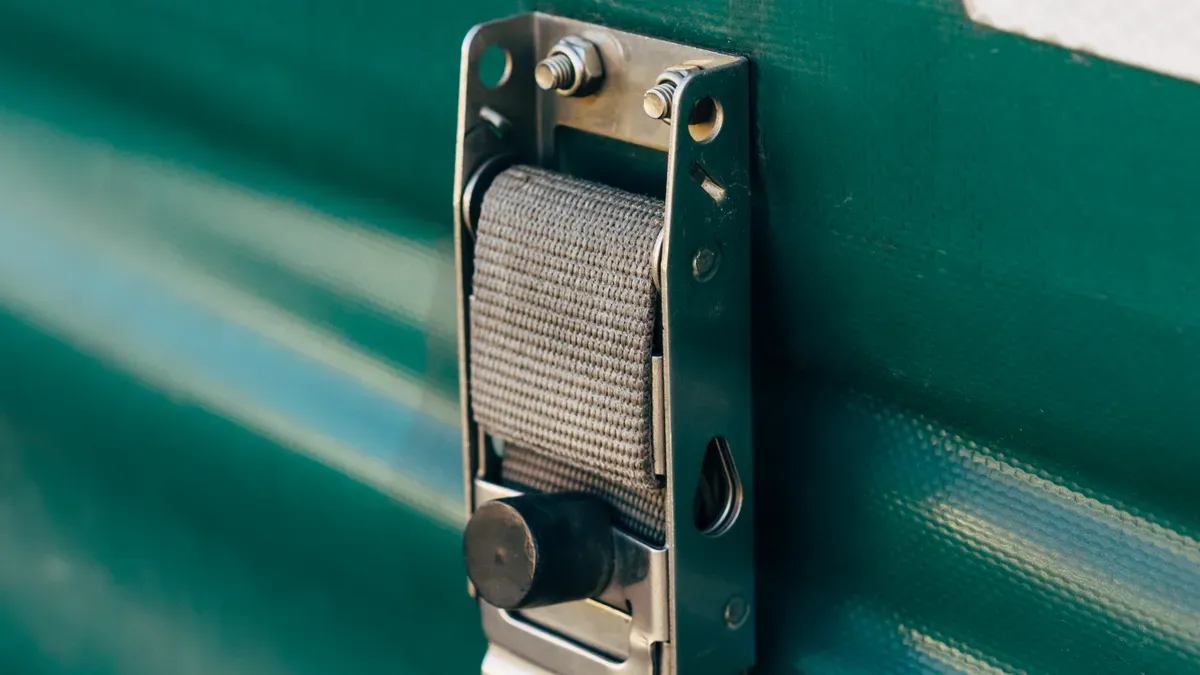
Specialists focus their business on design work. A strong oem ratchet strap manufacturer keeps a professional R&D team that creates new products to meet market demand. That team puts money into research every year and holds many patented technologies. Their own engineering and testing labs check each batch against WSTDA and other international standards. Tensile strength, cycle, and abrasion resistance tests confirm that every run meets its rated capacity. This depth matters because many "American-made" brands really buy Chinese ratchets and components. The hardware quality behind the label often comes from chinese oem factories. A specialist that controls its own tooling and testing protects the brand that sells the finished strap.
The company keeps a professional R&D team that constantly develops new products to meet market demand. It invests heavily in R&D and innovation each year, holds many patented technologies, and keeps its products at the industry's leading level.
Design flexibility sets specialists apart from volume plants. A specialist can change webbing construction, fitting geometry, and ratchet handle shape without rebuilding a whole line. That flexibility supports oem and odm services for buyers who need a distinct product instead of a catalog item.
Customization goes deep at this tier. Specialists handle custom branding and specifications across almost every component. Buyers can pick imprinting, sewn loop styles, stainless steel hardware, grommet sizes, and custom tags and labels. Webbing options include polyester, nylon, polypropylene, Dyneema, Kevlar, and elastic constructions. Hardware choices cover buckles, hooks, rings, and plastic fittings. This range lets a chinese manufacturer for oem ratchet tie down straps serve automotive, industrial, and commercial programs from one production base.
Customization Category | Available Options |
|---|---|
Imprinting | Custom imprinting |
Sewn loop styles | Multiple sewn loop styles |
Hardware material | Stainless steel hardware |
Grommets | Multiple grommet sizes |
Tags & labels | Custom tags and labels |
Webbing material | Polyester, nylon, polypropylene, Dyneema, Kevlar, elastic |
Hardware components | Buckle hardware, grommets, hooks, rings & fittings, plastic hardware |
Certification support shows a mature specialist. Patents, specification datasheets, and lab and third-party test reports show that the factory backs up its claims. A chinese ratchet strap supplier for europe should supply en 12195-2 test reports when asked. Buyers sourcing custom ratchet straps for regulated markets should treat a full certification file as a must, not a bonus. The same paperwork helps a chinese ratchet strap supplier clear customs and satisfy retail compliance teams.
Specialists also support private-label programs well. A ratchet strap manufacturer at this tier can run oem and private-label production with custom tags, printed webbing, and branded packaging. Buyers comparing ratchet strap suppliers for a differentiated product line often find the best balance here. The specialist takes on design risk, documents performance, and keeps certification current. That combination suits heavy-duty cargo lashing straps and custom ratchet straps alike. For buyers who need both quality and flexibility, this tier earns its place.
Low-cost suppliers are great at simple, standard strap setups. They make large amounts of common widths and fittings, and they set low prices on those items. A buyer who needs basic 2-inch ratchet straps in fixed lengths can often get them here at the lowest total cost. These chinese factories keep tooling simple and order minimums flexible, so small importers can test a market without a big commitment.
Price-sensitive programs gain the most. Promotional runs, entry-level retail lines, and non-critical cargo uses fit this tier well. A chinese supplier at this level can also handle light private-label work, like a printed tag or a basic logo, as long as the request stays close to the standard build.
Customization is narrower at this tier. Unusual webbing constructions, specialty hardware, and deep design changes usually fall outside the standard range. Buyers who need custom ratchet straps with distinct fittings should expect limited options or longer back-and-forth.
Certification files also tend to be thinner. A low-cost ratchet strap manufacturer may hold basic quality documents but lack the full test-report library that regulated markets demand. Buyers comparing ratchet strap suppliers for European or North American retail should check paperwork before ordering.
Buyer-side inspection becomes essential. Plan for pre-shipment checks on webbing strength, stitching, and ratchet function. Many ratchet strap suppliers at this tier welcome third-party inspection, and a clear inspection clause protects both sides. Treat the savings as budget for that oversight, and the tier works well for the right order profile.
A full-service partner handles four jobs all in one place: its own R&D, standard production, global trade, and OEM services. The buyer works with one team from the first design idea to loading the container. This setup removes the handoffs that slow a program down, since the same company that writes the spec also runs the loom, stitches the webbing, and books the shipment.
A global footprint adds real value here. Subsidiaries and joint-venture factories in places like Thailand and North America shorten lead times and spread supply risk across more than one production site. A ratchet strap manufacturer with that reach can move volume between plants when one site fills up. Buyers get a faster path to market and a steadier supply plan.
The added scope pays off for buyers who get several hardware categories from one partner. A single supplier covering ratchet straps, EPDM, cargo nets, and auto spare parts cuts down on paperwork, combines freight, and makes quality audits simpler. One purchase order takes the place of four, and one inspection visit covers the whole shipment.
This tier also fits private-label programs that need both volume and design input. A chinese ratchet strap supplier with full-service scope can make custom ratchet straps, cargo lashing straps, and tie-down straps on the same certified lines. Buyers comparing ratchet strap suppliers for a multi-category catalog often find the best fit here. The model rewards buyers who care more about coordination than the lowest unit price, and it keeps every SKU under one compliance file.
For most OEM buyers in 2026, specialized mid-to-large manufacturers are still the safest default for ratchet straps. These firms make their own webbing and do certified assembly in-house. They also keep the compliance files that regulated markets require.
The right partner still depends on your order profile:
Large-scale plants work best for high-volume standard programs.
Specialists work best for deep customization and private-label work.
Low-cost suppliers work best for tight budgets, with buyer-side inspection.
Full-service partners work best for multi-category sourcing.
A good next step is a shortlist audit. Score each candidate on performance, compliance, customization, and cost. Ask for test reports, MOQ benchmarks, and written lead-time milestones. A chinese manufacturer for oem ratchet tie down straps that answers all four areas clearly earns the oem award.
Ask for ISO 9001:2015 proof, EN 12195-2 test reports, and specification datasheets. Buyers who compare ratchet strap suppliers should also ask for samples. They should also confirm the webbing width options the factory offers.
Compare candidates on breaking strength, working load limit, and lab reports. Confirm the safety factor, which is usually 3:1 or 4:1. Check stitching and ratchet function on standard ratchet straps. Also confirm that the factory welcomes third-party inspection.
European programs need EN 12195-2 compliance and CE marking. ISO 9001:2015 shows a managed quality system, and RoHS matters for some retail lines. Buyers who screen ratchet strap suppliers for Europe should ask for test reports and a sewn-in label.
A specialist offers in-house R&D plus custom webbing, hardware, tags, and packaging. Private-label runs can carry printed logos. Mature factories back custom ratchet straps with patents, datasheets, and third-party test reports.
Yes. Plants in Thailand and North America shorten transit and spread supply risk. Ask how the factory moves bulk ratchet straps between sites. Steady output keeps repeat orders on schedule.
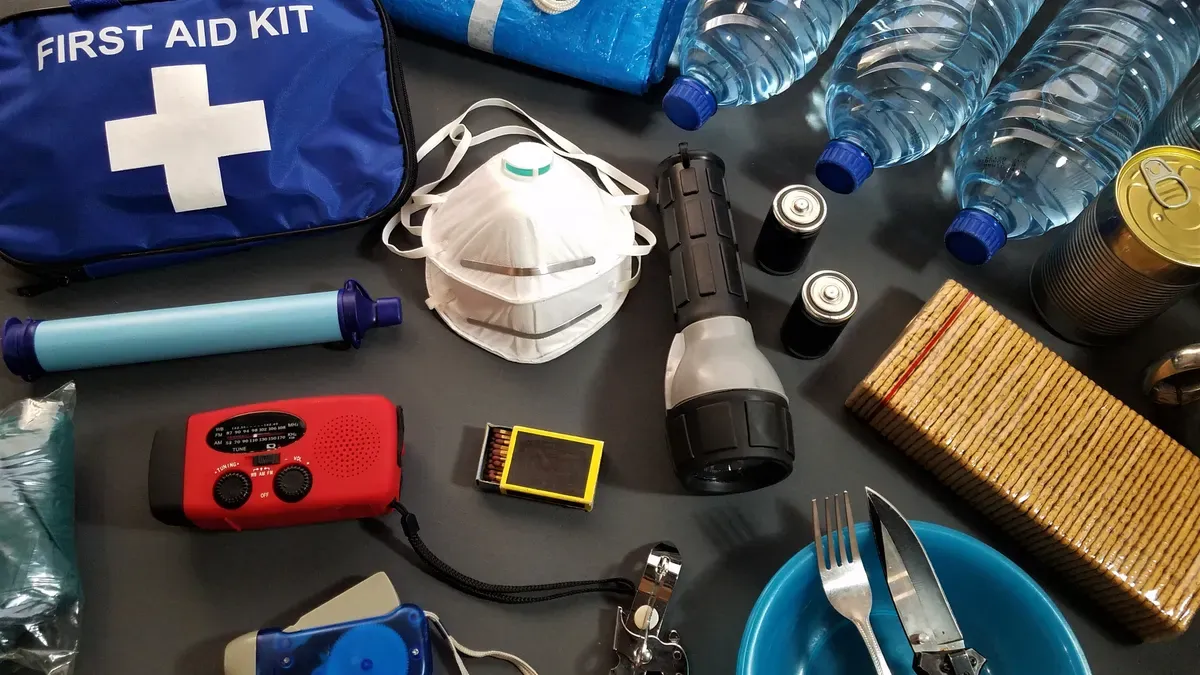
To recommend a manufacturer for overseas wholesale, evaluate product quality, compliance, cost, capacity, and communication using a weighted scorecard.
Find out more about our news >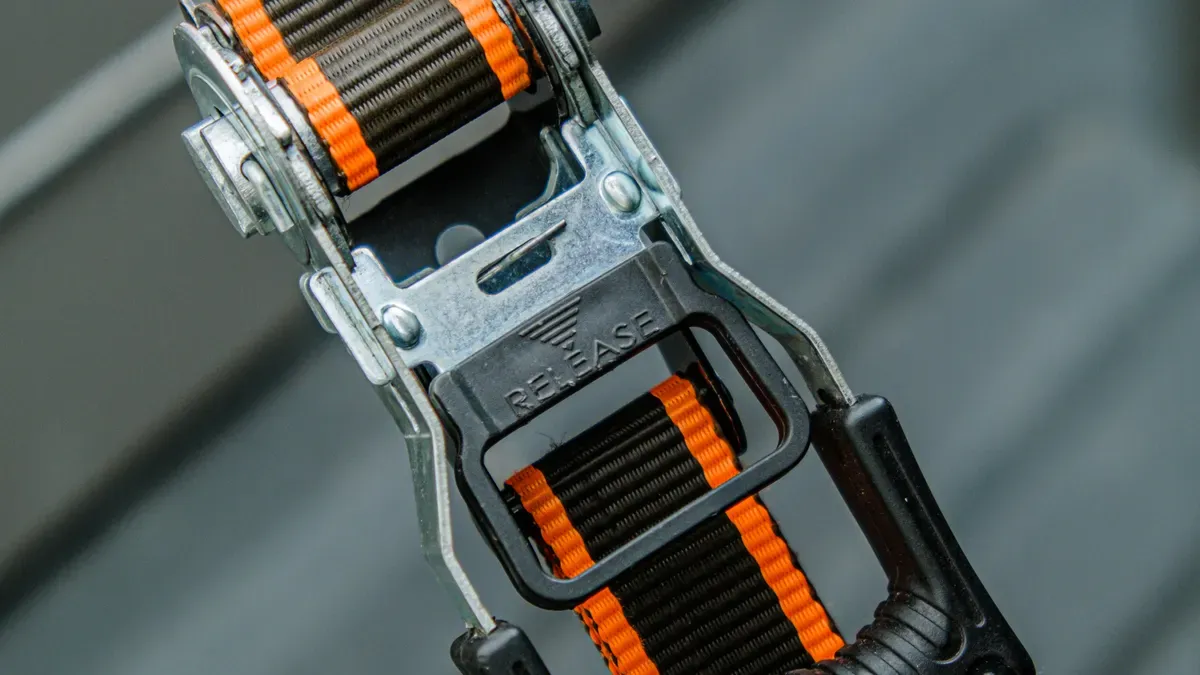
Learn how to vet Chinese manufacturers for ratchet tie down straps: verify credentials, request samples, and conduct inspections to secure a reliable wholesale partner.
Find out more about our news >
Ensure your import business thrives by checking these 5 critical factors in a dependable supplier of hardware tools, from quality to communication.
Find out more about our news >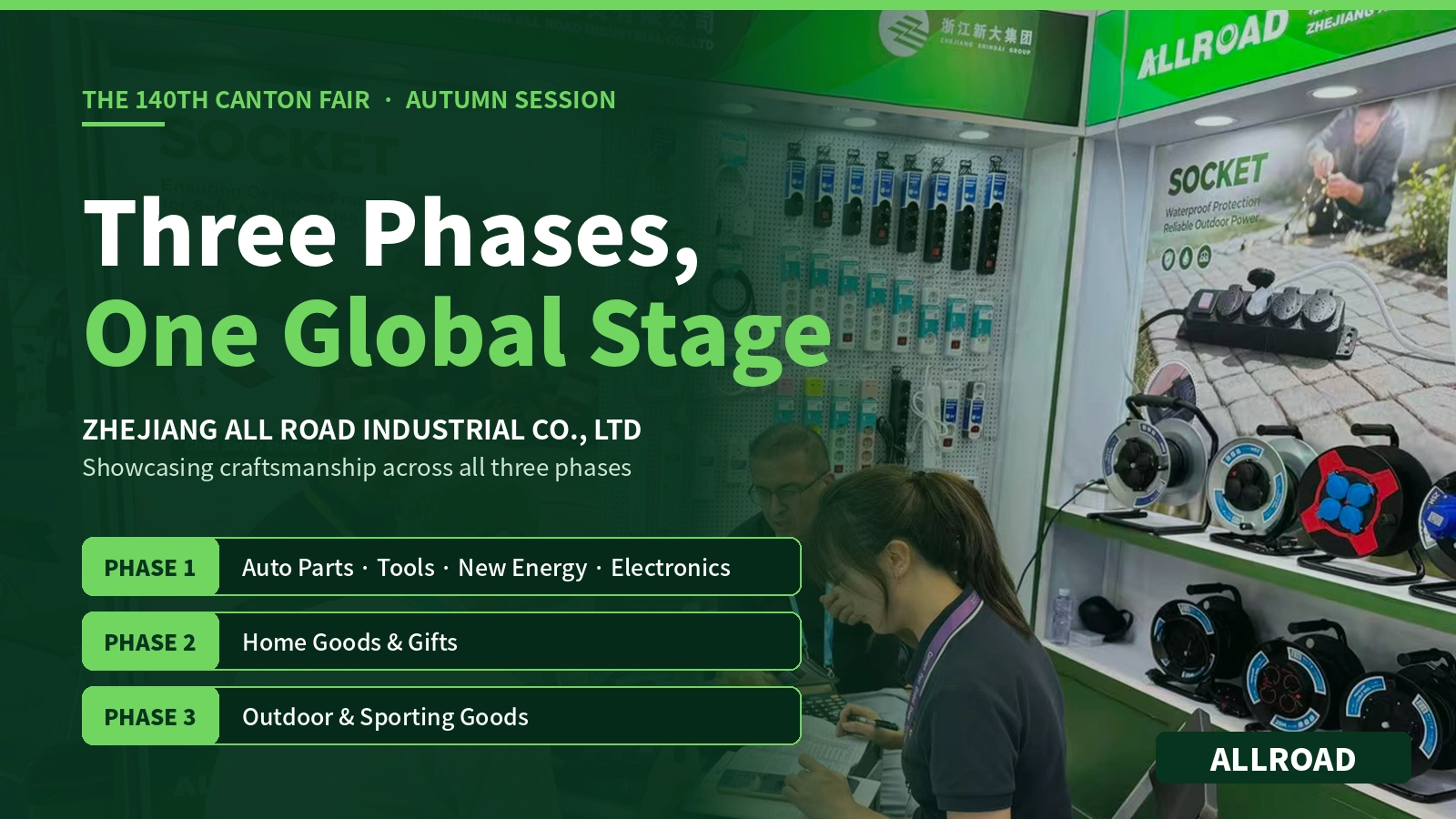
Zhejiang All Road Industrial Co., Ltd. Showcases Craftsmanship at the 140th Canton Fair (Autumn Session) and Engages Buyers from Around the World
Find out more about our news >
Identify a reliable factory that manufactures tow ropes and cargo straps by defining specs, using targeted channels, auditing suppliers, comparing quotes, and trial orders.
Find out more about our news >
Use these 10 tips to verify a reliable Chinese supplier of EPDM rubber products. Check certifications, test samples, and confirm quality before you order.
Find out more about our news >