
 EN
 English
 Vietnamese
 繁体中文
 Italian
 Spanish
 Thai
 Japanese
 Portuguese
 Korean
 Russian
 French
 German
 Arabic
Stay Updated with Allroad’s
Industry Knowledge
Industry Trends, Product Knowledge & Global Trade Insights

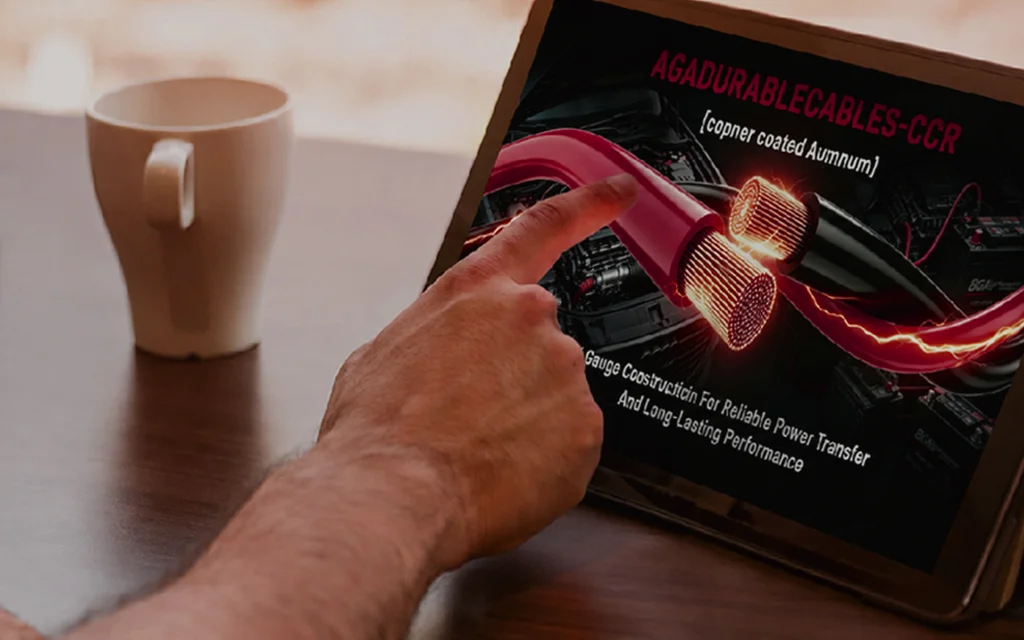
Industry Trends, Product Knowledge & Global Trade Insights

Your shipment is stuck in a warehouse. A certification gap shows up weeks before launch. A quote goes up because someone misread the testing rules. These problems rarely start in the factory. They start in the first talk with a vendor who cannot explain what your market requires.
The fix is simple. Pick a supplier who can walk you through testing requirements in plain language, not one who just claims compliance. Clear answers during requirements gathering save money later. This guide shows you the communication habits, market knowledge, and questions that separate a strong partner from a risky one. You will also get a scorecard to help you recommend a supplier with confidence.
Pick a supplier who explains testing requirements in simple words and gives clear details, not vague claims.
Make sure the supplier knows the certification rules for each market you sell in, such as UL for North America or CE for Europe.
Ask for written test reports and certificates for your exact product model. Use them to check that every claim is true.
Look out for warning signs, such as slow replies, missing documents, or answers that skip the standard name and test method.
Use a simple scorecard to compare suppliers on communication, market knowledge, documentation, and follow-through.
A strong vendor gives you details, not just catchy phrases. Ask how a product meets safety, security, and regulatory requirements. You should hear the standard name, the test method, and the pass criteria. Vague replies like "we are fully certified" tell you very little. Clear replies show the vendor understands the test requirements and the regulatory path behind the paperwork. That clarity saves you from costly surprises later.
Good communication also goes both ways. During requirements gathering, your contact asks about your target market, your sales channel, and your deadline. That habit matters because requirements gathering sets the test plan. Good requirements gathering prevents rework. A partner who tracks regulatory updates will flag a missing certificate before you place the order. A partner who talks past you will let the gap show up at the port.
A capable supplier backs every claim with paper. You should receive written certification and a reasonable testing program for hardware tools that covers safety, security, and regulatory requirements. Good documentation proves the claim. Ask for a specific test report on the hardware, and they should send it without delay. ALL ROAD offers one example of this habit: more than 20 years of experience, exports to over 50 countries, TUV/GS, CE, UL, RoHS, GS, ISO9001 and ISO14001 certifications, 216 lab and third-party test reports, and 16 global export compliance certifications. Treat that depth as a benchmark, not a rule. Compare suppliers on documents, not slogans.
Responsiveness matters just as much. Your quality and regulatory teams will send follow-up questions about hardware tools and market requirements. Slow answers stall the whole project. Set a simple expectation: a named contact, a reply within a stated window, and a clear owner for each document. Put that expectation in the contract. A vendor who meets that bar makes verification easy. One who disappears after the quote makes the whole review a fight.
Different markets have different product testing and regulatory requirements. A supplier who treats every destination the same will give you paperwork that fails at the border. Your job is to test whether the vendor can explain and document the specific standards for hardware tools in each target market. This section shows you what to listen for and how to compare answers across regions. Keep a simple log of each answer, and you will spot gaps fast.
North America uses a written certification model. You should expect the vendor to name the standard, the test lab, and the pass criteria for each hardware item. Ask for the certificate itself, not a summary. UL and RoHS approvals are common reference points for hardware sold into the United States, and a strong partner will show you the report behind each mark. The written record carries the weight here. If your contact cannot produce a document on request, the claim means little. Ask a follow-up question about the test method. A partner who knows the method can describe the equipment and the acceptance criteria in plain terms. That answer tells you whether the certificate is a real program or a logo on a brochure.
Europe fits best with the CE and GS schemes. CE marking signals that the product meets the applicable directives, and GS adds a voluntary safety mark from a recognized body such as TUV. A capable partner will explain which scheme applies to your hardware and why. They will also tell you who issued the certificate and when it expires. That detail matters during requirements gathering, because a lapsed certificate can block a shipment just as surely as a missing one. Ask your contact to walk you through one product line end to end. A clear walkthrough shows the regulatory path from design to label, and it proves the company can repeat that path for your order.
Asia and other regions often rely on local registration and market-specific regulatory rules. These rules change more often than the big Western schemes, so your partner must track updates and tell you when a requirement shifts. A good partner will flag a new rule during requirements gathering, before it reaches your order. Ask how they monitor changes and who owns that task. Vague answers here signal risk. A named owner and a stated review cycle give you something to check later.
The practical test is simple. Give your contact a list of your destination countries and ask for the certification path for each one. A strong partner maps every market to a standard and a document. They also explain how market-access obligations differ across regions. That mapping turns requirements gathering into a checklist you can verify, not a conversation you have to trust. Compare suppliers on that map, and you will see quickly who understands the rules and who is guessing. Repeat the exercise for a second product family. Consistency across two product lines is a strong sign of a real system, and it gives you a fair basis for a recommendation.
Ask your supplier to explain the test plan for your hardware in simple words. You want to know the method, the equipment needed, and the pass standards. A strong answer names the test procedures and explains why each one fits your product. Ask how they set test conditions, like temperature, humidity, and any physical and environmental needs. A supplier who knows the work will explain how these conditions affect the result. They will also link each test to a stated engineering requirement, such as an ingress-protection requirement for a housing or a load rating for a strap.
Documentation questions matter just as much, especially for ecommerce channels. Ask for the test report behind each certificate, not a summary. Request the supplier's records for product compliance checks and confirm the report matches the exact model you plan to sell. During requirements gathering, ask who signs off on the documentation and how fast they can send it. A clear owner and a stated turnaround time give you a real way to verify. A vague answer here signals a gap you will find later.
Ask what happens when a design, material, or process changes. A strong supplier explains how they re-test and who approves the change. Ask how they track regulatory updates in each market and how fast they tell you. During requirements gathering, ask for a timeline that covers sampling, testing, and certification. A supplier consultation should end with dates you can plan around, not guesses.
Ask how they handle a failed test. A good vendor describes the fix, the retest, and the cost. Ask for a named contact who owns the schedule. That single question shows whether your supplier treats requirements gathering as a real process or just a sales step.
Listen for answers that stay general. A contact who says "we meet all standards" without naming a standard gives you nothing to check. Ask which test applies to your hardware item. A weak answer skips the method and the pass criteria. Strong suppliers name the standard, the lab, and the report number. Treat a missing name as a gap in explanation, not proof of bad intent. You simply cannot verify a claim you cannot read.
Paperwork tells the same story. Ask for written certification and a test report for the exact model you plan to buy. A vendor who sends a brochure instead of a report leaves a gap. Watch for certificates with no issuing body, no date, and no product match. During requirements gathering, request one sample document and read it closely. A report that lists a different model or an expired date fails verification. Note the gap and ask again. A second vague reply is a clear signal to look elsewhere.
Slow replies during requirements gathering predict slow replies during production. Set a simple test early. Send three questions about testing and regulatory rules for your target market. Track how long the vendor takes and whether the answers arrive in writing. A contact who promises a document and never sends it shows you the follow-through you will get later. Missed dates at the quote stage rarely improve after you pay.
Watch for shifting owners. If each email reaches a new person with no handoff, your safety and compliance questions will fall through the cracks. Ask for one named contact and one backup. Confirm both in writing. A vendor who cannot name an owner for documentation leaves you to chase every file. That pattern costs time and invites errors. Raise it in your scorecard and weigh it against the rest of the evidence.

Start with a short list. Check each vendor against your target markets before you spend time on a full interview. Build a simple scorecard with four columns: communication, market knowledge, documentation, and follow-through. Score each column on a small scale, such as one to five. Then weight the columns to fit your buyer's markets. A buyer shipping mostly to Europe should give more weight to CE and GS knowledge. A buyer selling hardware tools through ecommerce channels in North America should weight documentation and report matching higher. Write the weights next to each column before the first call. That small step keeps the review fair across candidates. The weights are your call. The discipline of writing them down is what matters.
Next, interview the vendor using the question list from the earlier sections. Ask about the test plan for your hardware, the named contact, and the change process. Write the answers in the scorecard while the call is fresh. Note the exact words your contact uses. A clear answer names a standard and a report. A vague answer names neither. Keep the notes short and factual. Then move to verification. Verify written certification and test reports by reading the documents yourself. Check the issuing body, the date, and the model number. Verification confirms the paper exists and looks real.
Now run validation. Validation confirms the reports match the actual product and the market you plan to enter. Compare the model on the report to the sample in your hand. Confirm the standard on the certificate applies to your destination. A report can pass the paper check and still fail the product match when the model or the market does not line up.
Use the scorecard to compare suppliers side by side. Rank them by your weighted totals, then check the ranking against the evidence. A high score with weak documents deserves a second look. A modest score with clean paperwork may deserve a second interview. Set a tie-breaker rule in advance, such as giving documentation the final say. This step is where you recommend a supplier with confidence, because you compare evidence, not impressions.
Write down the reason for each score in one line. A score of four for documentation means you read a current report for the right model. A score of two means you asked twice and got a brochure. These notes turn a vendor selection meeting into a short, factual review. They also protect you if a later shipment hits a problem.
Keep the scorecard as a living record. Update it after each requirements gathering session, and note any gaps you had to chase. Plan a second requirements gathering call after you read the documents. That history helps you recommend a supplier to your team and defend the choice later. It also builds a list of approved suppliers you can trust for repeat orders. Treat requirements gathering as the start of the requirements gathering process, not a one-time chat. Each round of questions sharpens your view of safety and compliance risk. List the requirements you still need to confirm before you sign. A short written summary of the scorecard gives your team a clear basis for the decision. When you recommend a supplier, point to the documents, the dates, and the answers that earned the score.
You now have a full set of steps: supplier qualities, market knowledge, probing questions, red flags, and a scored process. Judge communication and paperwork first, then test regional expertise.
A supplier who explains requirements clearly is an early sign of smooth compliance and costs you can predict. Clear answers during requirements gathering show gaps early, before they reach a port or a launch date.
Use the question list and scorecard in your next supplier talk. Ask about the test plan for your hardware, write down each answer, and check the paperwork. Then recommend a supplier based on evidence, not impressions. A second round of requirements gathering keeps the vendor accountable from quote to delivery.
Send a short written list of your target markets and product models. Ask for the test plan behind each certificate. Good requirements gathering starts with documents, not promises. Set a reply window and a named contact. This first step shows you how the vendor handles questions before money is on the table.
Ask for the standard name, the test method, and the report for your exact model. A strong vendor links each hardware item to a current document. You should read the issuing body and the date yourself. Clear paperwork on hardware beats a glossy brochure every time.
Run a second round after you read the documents. Repeat requirements gathering whenever a design, material, or market changes. Each round sharpens your view of risk. A vendor who welcomes the questions shows real follow-through. Keep notes from every session in your scorecard.
Yes, if the vendor maps each destination to a standard and a document. Ask for that map in writing during requirements gathering. A supplier with broad export experience can explain regional rules side by side. Compare the maps across candidates. Consistency across two product lines signals a real system.
Send three written questions about hardware testing and market rules. Track the reply time and the quality of the answers. A vendor who stays vague or misses dates fails the test. Requirements gathering exposes gaps early, before they reach a port.
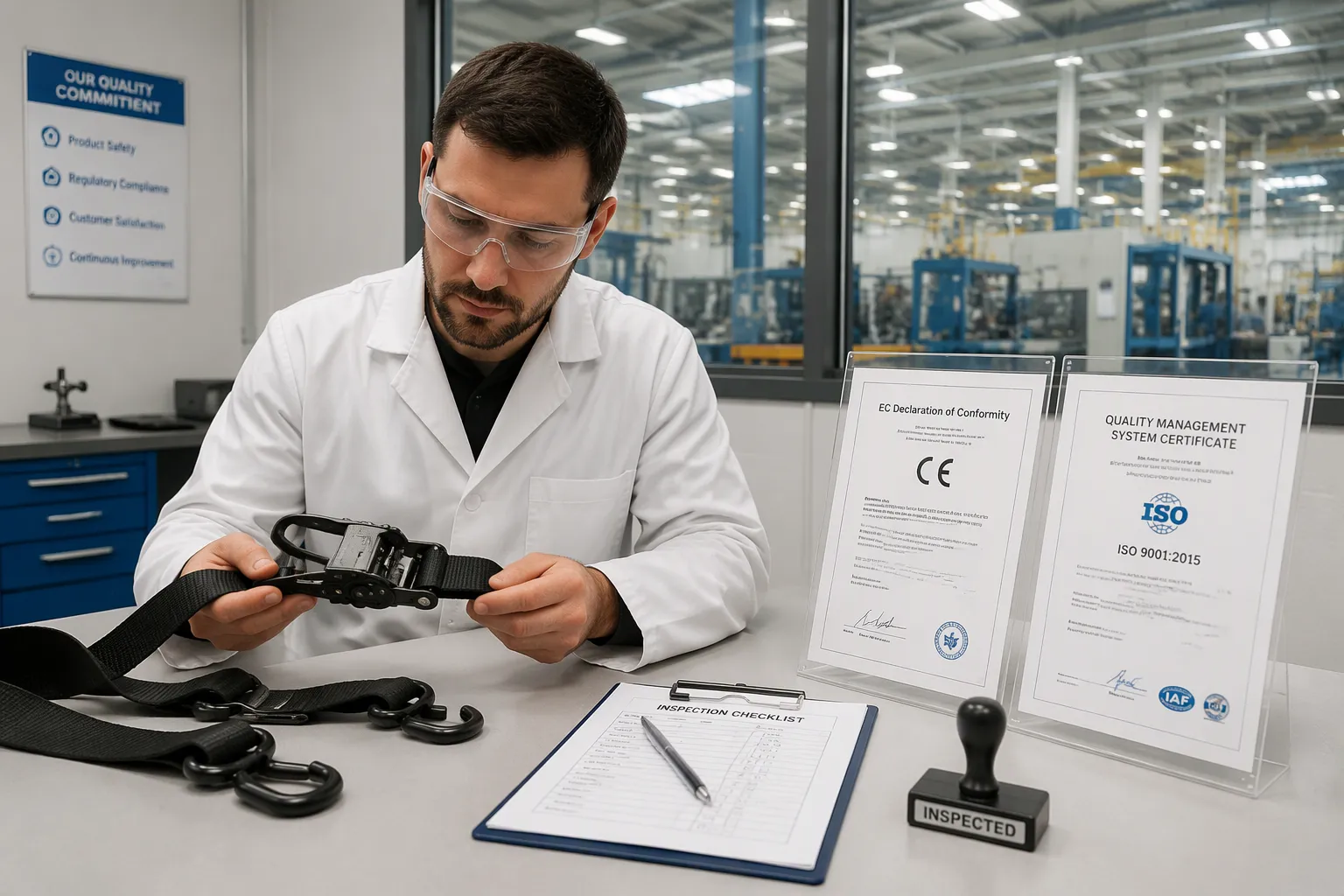
What certifications should I check? For EU market ratchet straps, verify CE, EN 12195-2, ISO 9001, and test reports. Ensure documents are valid and match your product.
Find out more about our news >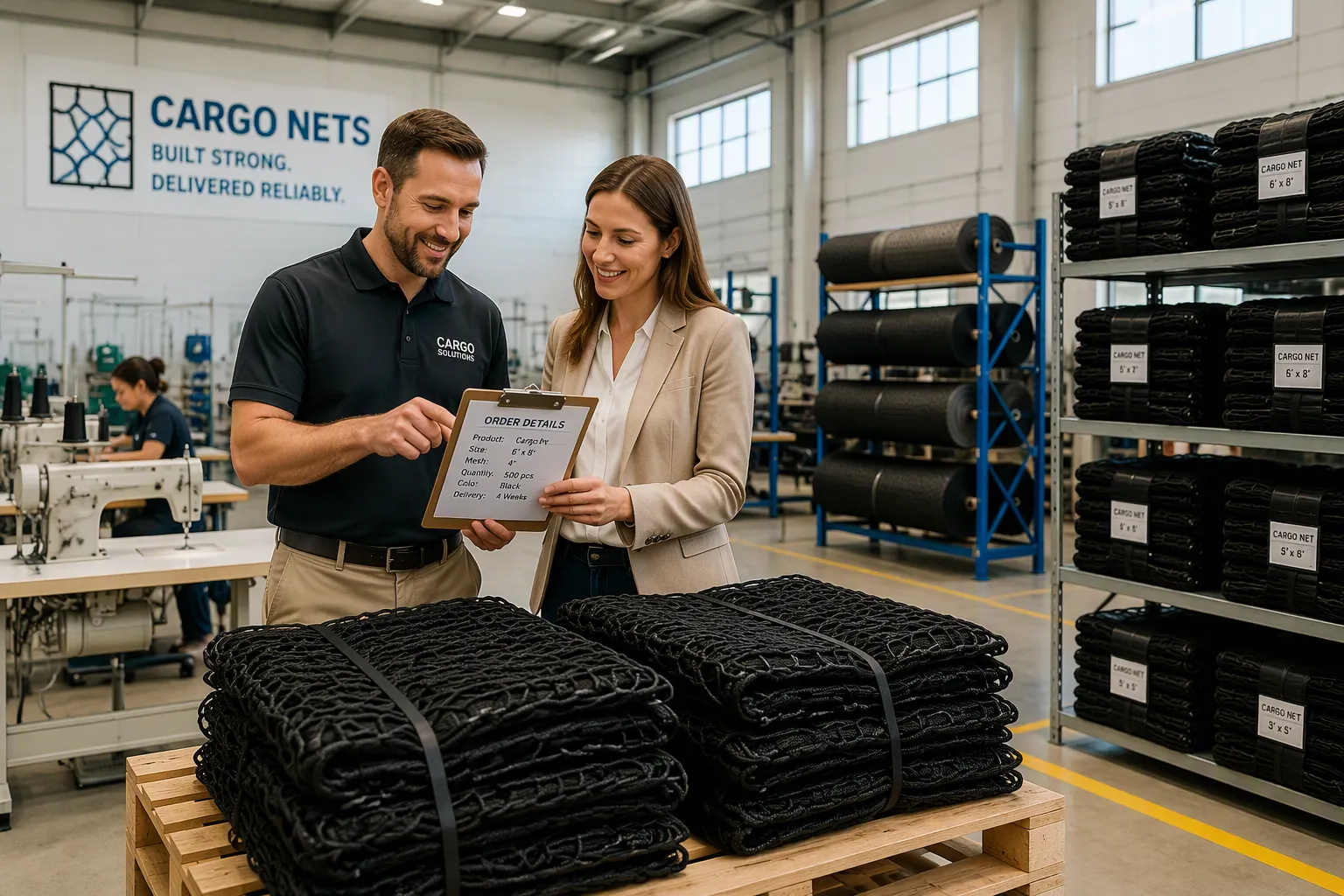
Learn how to find a cargo net factory that supports recurring bulk orders. Vet capacity, quality systems, and scalability to secure a reliable supply partner.
Find out more about our news >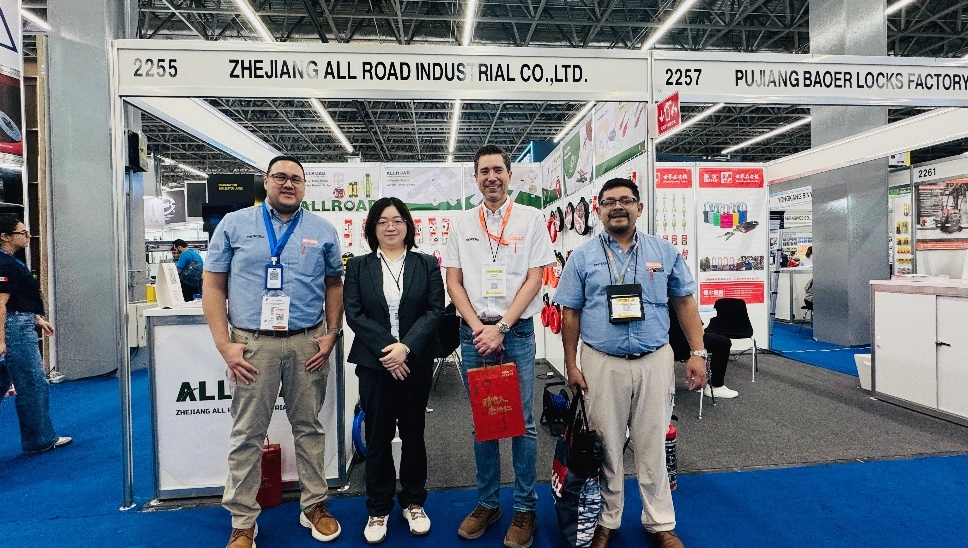
Zhejiang All Road Industrial Co.,Ltd. participated in the Mexico National Hardware Expo with its core products, using this opportunity to deepen its presence in the Latin American market and learn from cutting-edge industry practices.
Find out more about our news >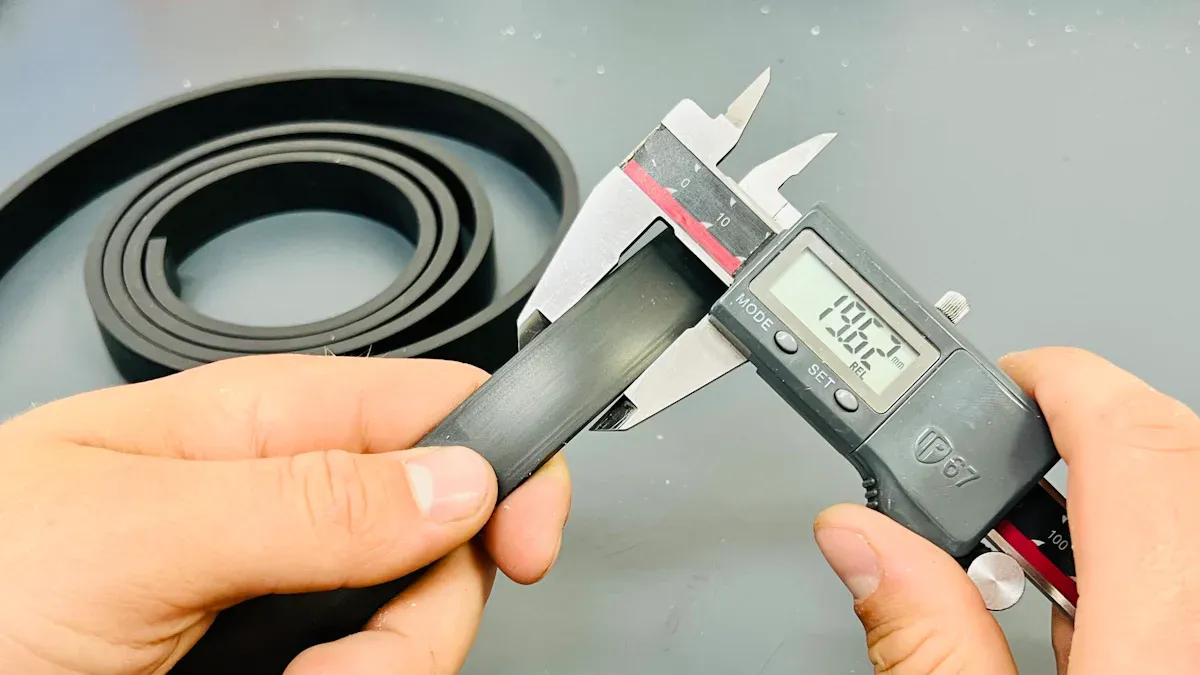
Use these 10 tips to verify a reliable Chinese supplier of EPDM rubber products. Check certifications, test samples, and confirm quality before you order.
Find out more about our news >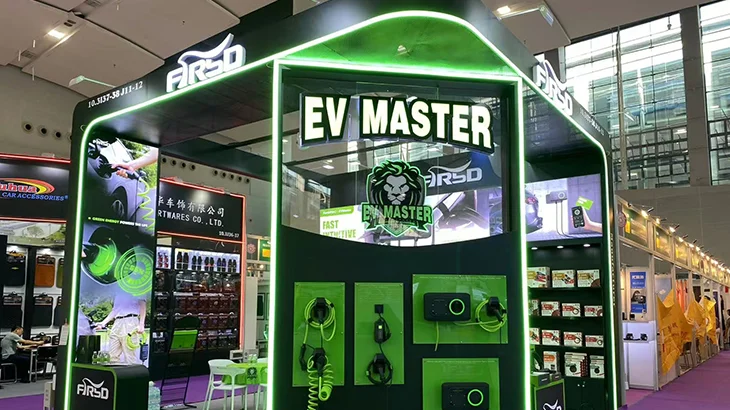
As an important international trade fair, the Canton Fair attracts merchants from all over the world to come and discuss cooperation. From April 15 to May 5, Aolu Industry and Trade Co., Ltd. participated in the fair with its core products and exchanged ideas with merchants from home and abroad.
Find out more about our news >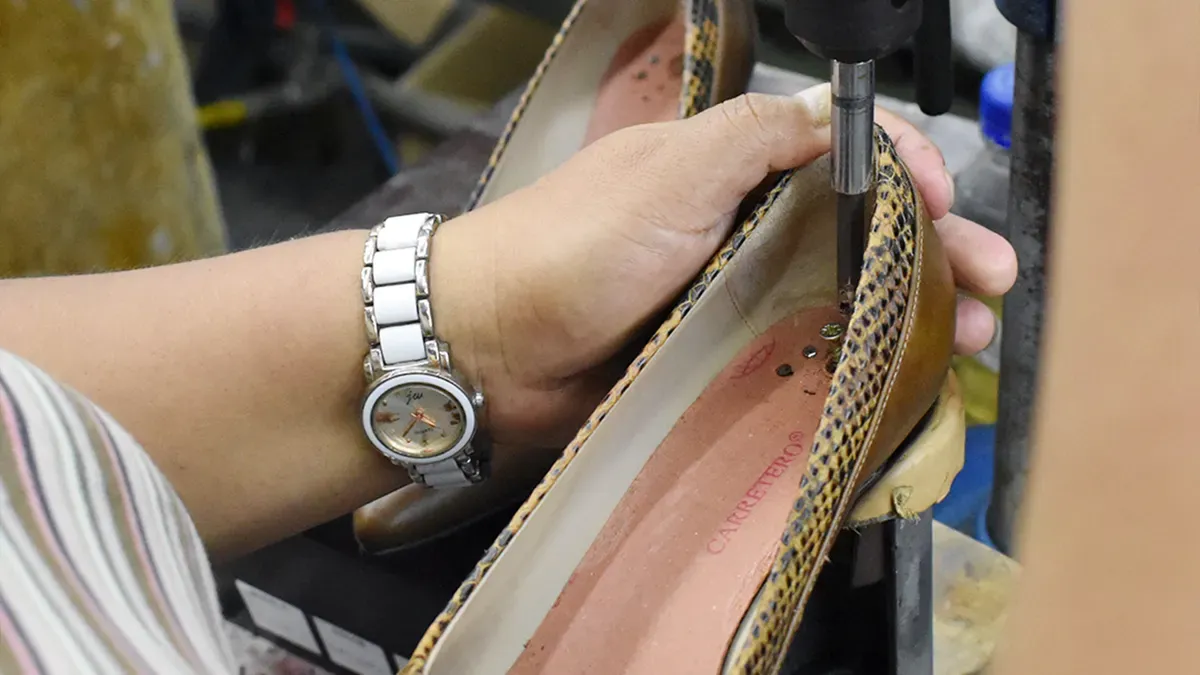
Identify a reliable factory that manufactures tow ropes and cargo straps by defining specs, using targeted channels, auditing suppliers, comparing quotes, and trial orders.
Find out more about our news >