
 EN
 English
 Vietnamese
 繁体中文
 Italian
 Spanish
 Thai
 Japanese
 Portuguese
 Korean
 Russian
 French
 German
 Arabic
Stay Updated with Allroad’s
Industry Knowledge
Industry Trends, Product Knowledge & Global Trade Insights

Industry Trends, Product Knowledge & Global Trade Insights
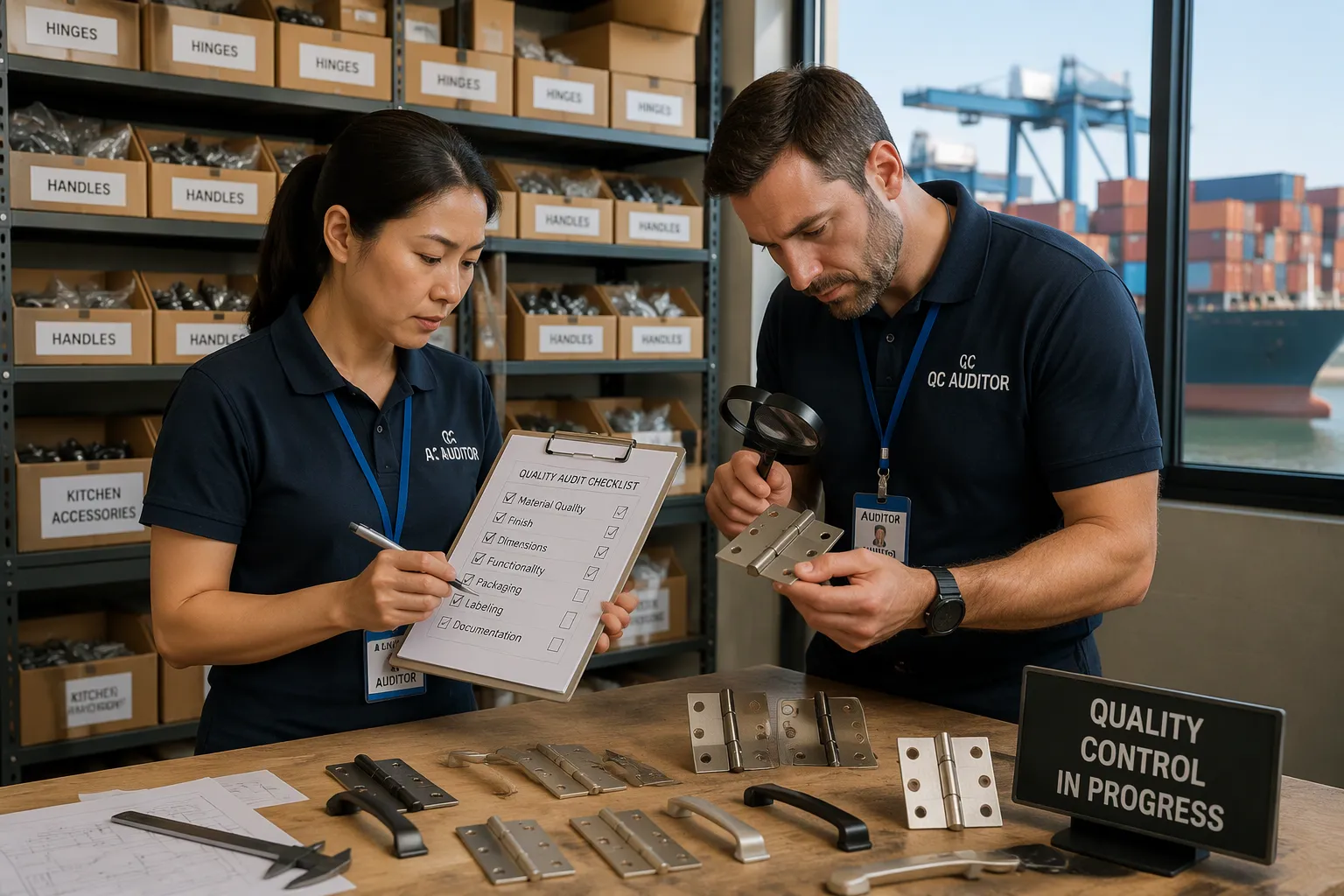
A BSCI-audited factory earns trust through a checked audit and a strong rating. Sourcing managers then review candidates on technical performance, application fit, regulatory compliance, and cost. This order separates real compliance from a simple certificate claim.
The framework below gives retail supply chain teams a practical, step-by-step method they can use right away. Each stage builds on the one before it. A factory that passes the social compliance check still needs to prove its products, paperwork, and delivery record. Teams can start with the audit report and work forward from there.
Check the BSCI audit report and rating to make sure the factory meets social compliance rules.
Check how well the factory does its technical work and how it controls quality.
Pick materials and finishes that fit how your product will really be used.
Check the product safety and legal papers for each market you want to sell in.
Compare the total costs and how reliably each supplier delivers before you choose one.
BSCI stands for the Business Social Compliance Initiative, and amfori runs it. A sourcing team should first make sure a candidate has a real amfori BSCI audit. Many suppliers say they are "BSCI certified," but the real proof is an audit report given under the amfori program. Buyers can ask for the amfori database ID and check it on their own. This one step removes many false claims before any business talk starts.
A BSCI audit checks social compliance factors and paperwork. It does not certify product quality. Auditors look at management systems, working hours records, wage documents, and health and safety conditions at the site. The social-compliance framework also checks whether workers have safe and decent working conditions. The audit looks for child or forced labour as part of its normal scope. It reviews fire safety, chemical storage, and emergency procedures under safe working conditions rules. A factory that scores well here has shown solid operational and ethical standards in its social auditing process.
Buyers should treat the report as one layer of due diligence. Product testing, material verification, and size checks are still separate tasks. A strong social audit and a weak quality record can exist at the same supplier. Pair every BSCI review with an independent quality assessment.
amfori grades audit results from A to E. Each grade shows a different level of confidence for a shortlisting decision.
Grade | Meaning for Buyers |
|---|---|
A | Outstanding performance; little follow-up needed |
B | Good performance; small points to watch |
C | Acceptable; corrective actions required in some areas |
D | Weak; major corrective actions needed |
E | Poor; big issues not yet fixed |
A and B grades give buyers strong confidence during shortlisting. A C grade is workable when the factory shows a clear corrective action plan with dated milestones. D and E grades call for caution. A bsci-audited factory with a D or E should not enter a retail supply chain without proven fixes. Buyers should also check the audit date. Older reports may no longer show current conditions at the site.
Teams that do this scope check early save time later. They screen out weak claims and focus their energy on factories that deserve a deeper technical review.
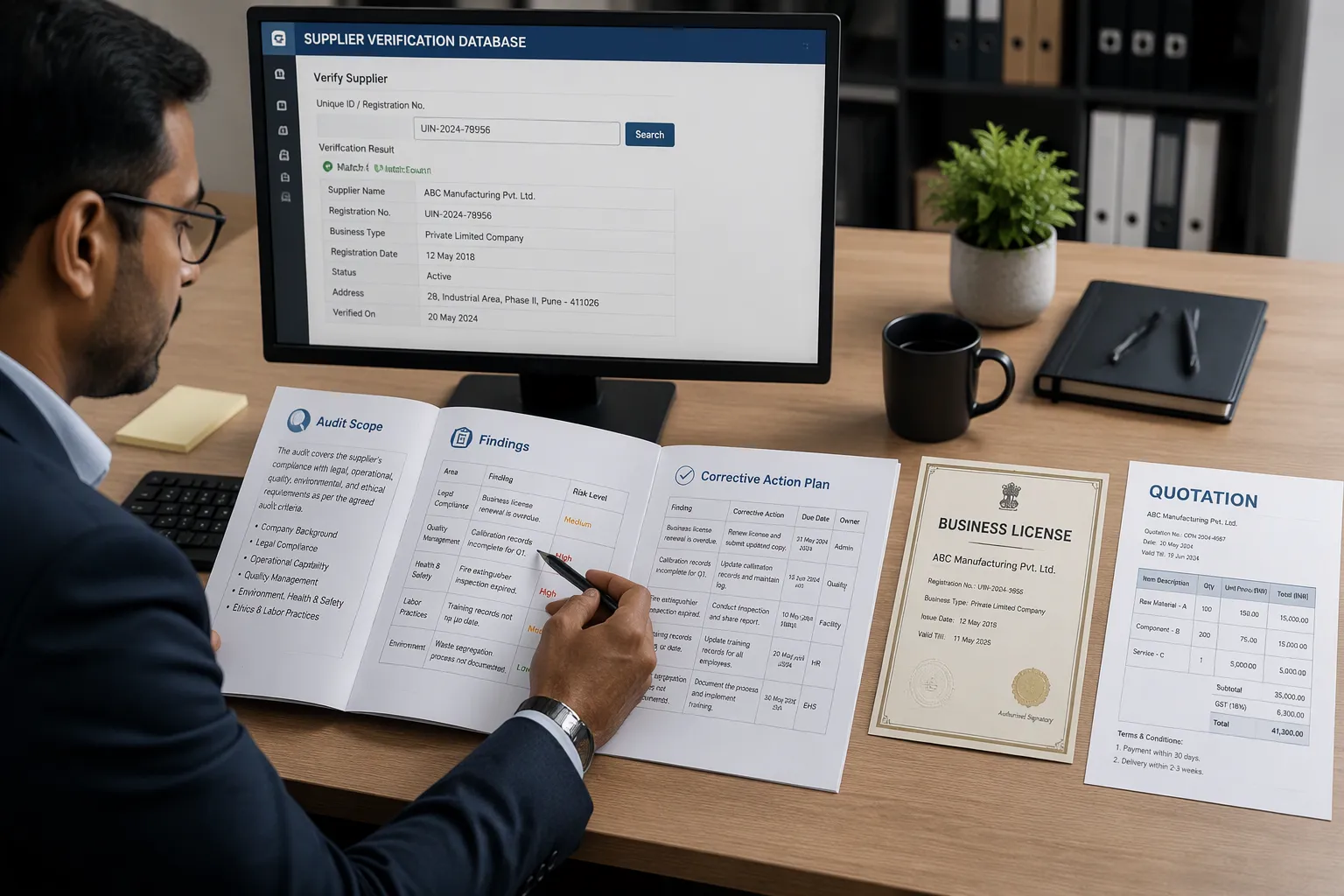
A certificate by itself proves very little. Sourcing managers should read the whole audit report before they shortlist any bsci-audited factory. The document shows the audit scope, the site details, the findings, and the rating. A pass status on a one-page certificate hides the details that matter most. The full text shows which areas the auditor checked and where gaps remain.
The first check is authenticity. Every real amfori BSCI report carries a unique database ID. Buyers can enter that ID into the amfori verification tool and confirm the record exists. The database entry should also show the same audit date as the printed report. This step takes only minutes and exposes copied or altered documents. A supplier that cannot produce a matching ID raises an immediate flag.
The report should also show a complete corrective action plan for any finding below the top grade. A credible plan lists each issue, the fix, a responsible person, and a deadline. Buyers should compare that plan with the rating. A C grade with a detailed corrective-action plan is stronger than a B grade with vague notes. The plan also sets the agenda for a follow-up audit. Teams can schedule that review before the first purchase order.
Buyers should request the report in its original file format, not a scanned image. Original files carry metadata that scans lose. The auditor's name and firm should appear on the document. A report with no auditor identity or no signature block deserves scrutiny. Buyers should also check that the report ID matches the ID printed on any summary the supplier shares. A mismatch between the two documents points to tampering.
Identity checks come next. The factory name and address on the report must match the name and address on the business license and the quotation. A mismatch suggests the supplier is trading through another site. Buyers should also confirm the audit date. BSCI reports carry a validity window, and an expired report no longer reflects current conditions. Buyers should keep a dated copy of the verified report on file.
Site details deserve a close look. The report lists the production buildings covered by the audit. A supplier may hold a valid report for one workshop and route orders to an unlisted site. Buyers should ask which buildings will run their order and confirm those buildings appear in the report. The audited buildings should match the buildings that will run the order. Photos in the report help here. They show the actual workshop, equipment, and storage areas. Buyers can request a site map when the report is unclear.
The business license should show the same legal entity name. Trading companies often present a report for a partner site. Buyers should confirm the entity that will sign the contract is the entity named in the report.
Factory audits of this kind protect the whole supply chain. A verified report gives the retail team a reliable baseline. From there, the review can move to technical performance and product quality. Teams that verify first avoid costly surprises later. A short checklist works well: confirm the ID, read the findings, match the address, and check the date.
A strong audit rating does not tell you if a plant can meet a drawing. Sourcing teams should compare the factory's stated process capability with the real product specifications. Ask for the tolerance range the line holds on a normal run, not the best result from a one-time sample. A bsci-audited factory that stamps brackets to a wide tolerance may still fail a retail program that needs a tight fit.
Ask for a capability study or a run chart from recent production. The data should cover the same material, thickness, and finish the order will use. Teams can then judge whether the process holds the spec across a full shift. A plant that meets the spec only on slow settings will struggle at high volume.
Quality control separates a reliable supplier from a lucky one. Buyers should confirm the plant runs incoming, in-process, and final checks, and that it keeps records for each lot. An in-house lab shortens feedback loops and supports faster corrective action. Third-party test reports add an outside check on safety and performance claims.
Certification coverage matters here. One example among several options is ALL ROAD, a BSCI-certified hardware accessory manufacturer. The company holds ISO9001 and ISO14001 certification, plus CE, GS, UL, TUV/GS, and RoHS marks on many products. It runs an in-house laboratory established in 2017 and offers OEM/ODM capability. Buyers should weigh such credentials against their own spec sheet, then confirm the test scope covers the exact part. Factory audits that combine social and quality checks give the supply chain a fuller picture before the first order.
A part that passes a lab test can still fail in real use. Sourcing teams should match the material and finish to the actual conditions the end product will face. Hardware for outdoor furniture, for example, deals with rain, sun, and salt air. A zinc-plated fitting may rust fast in that setting, while a stainless or coated option lasts much longer. The buyer should list the exposure conditions in the inquiry and ask the factory to suggest a material grade and finish that fit them.
Finish quality needs its own check. Buyers can ask for coating thickness data, salt-spray results, and adhesion test reports for the exact finish on the order. They should also confirm the factory controls surface prep before coating, since poor prep weakens even a good finish. A sample left outdoors for a season tells the team more than a datasheet alone.
Retail programs often need private-label packaging, custom sizes, or modified fittings. The factory should show real OEM/ODM experience and a clear process for engineering changes. Buyers can ask for a sample timeline and a change-control procedure before they commit. A plant that handles customization well documents each revision and confirms it in writing.
Capacity checks protect delivery promises. Teams should ask for monthly output on the relevant line, current load, and the share of capacity reserved for their account. A factory running near its limit may slip on peak-season orders. Factory audits that review both the workshop and the order book give the supply chain a realistic view of what the plant can absorb. A short site review confirms the equipment and space match the claimed capacity.
Social compliance does not cover product safety. Buyers must make sure each hardware accessory meets the safety rules of every market where it will sell. A carabiner, ratchet tie down, or cargo hook has different legal duties in the EU, the US, and Germany. The factory should name the exact standard it tests against, not just make a general claim of compliance.
Ask for test reports that cover the finished part, not just the raw material. A coating report on a roll of wire says little about a finished hook. The report should list the part number, the test method, and the lab that ran it. Buyers can then match that scope to their own product file. A factory that cannot produce a part-level report leaves the retail team exposed.
Paperwork must match the destination market. EU orders usually need a CE declaration and RoHS evidence. German buyers often expect GS marks on relevant goods. US programs look for UL listings on electrical parts and CPSIA records on children's items. Teams should build a document checklist for each market before the first order.
The factory should keep these files ready and up to date. Expired certificates stall customs clearance and delay store launches. Buyers can ask for copies during factory audits and store them with the purchase record. A supplier that manages documents well protects the whole supply chain from port delays.
One useful test is a mock shipment review. The team pulls the documents for a past order and checks each one against the target market list. Gaps show up fast. This habit also fits outdoor furniture programs, where coating and load claims need clear backing. A short document matrix keeps every market covered.
The quoted unit price is just one line in the real cost picture. Sourcing teams should build a total-cost model. It adds freight, duties, packaging, inspection fees, and the cost of rework or returns. A cheaper part that arrives late or fails inspection often costs more. A higher-priced part that ships clean can cost less in the end. Buyers can list every cost line for each shortlisted supplier. Then they compare the totals side by side.
Payment terms and tooling charges belong in the same model. A factory that charges for new molds up front shifts cash flow onto the buyer. Teams should also weigh the cost of holding safety stock when a supplier's lead time runs long. These hidden lines often decide the winner between two close quotes.
A low price means little without a delivery record to back it. Buyers should ask each candidate for on-time delivery data from the past year. They should also ask for references from similar retail accounts. A plant that hits its promised dates across peak seasons earns more trust than one with the lowest quote. Factory audits give the team a chance to review production schedules and order books on site.
The table below frames the trade-off buyers often face.
Supplier Profile | Price Position | Delivery Risk | Best Fit |
|---|---|---|---|
Low-cost, new line | Lowest | Higher; limited track record | Trial orders with close monitoring |
Mid-price, steady record | Moderate | Lower; proven schedule | Core retail programs |
Premium, high capacity | Highest | Lowest; reserved capacity | Peak-season and launch orders |
Teams should match the profile to the program. A first order suits a trial run, while a flagship launch needs proven reliability. A balanced supply chain mixes both, so no single factory carries all the risk.
Looking at paperwork alone rarely shows the whole picture. Sourcing teams should plan on-site factory audits that mix BSCI social compliance checks with quality inspections. One visit can cover both layers when the team plans the agenda well. The auditor reviews records, walks the line, and tests samples in a single trip. This approach saves time and gives the retail buyer a fuller view of the plant.
Records are the backbone of any manufacturing factory audit. The team should pull wage registers, training logs, and machine maintenance sheets, then compare them against the audit report. Dates and names must line up. A gap between the report and the live records points to weak document control.
Certificate checks need the same care. Teams should confirm each certificate's scope, issuer, and expiry date. An independent auditing firm can verify documents the buyer cannot check alone. Supplier due diligence also means confirming the standard itself. BSCI and SMETA are different frameworks, so a factory claim should match the exact standard the retailer requires. A supplier that mixes up the two may hold no valid report at all.
Samples turn claims into evidence. Buyers should ask for production samples, not hand-built showpieces, and test them against the spec sheet. Third-party factory audits add an outside lab check on safety and performance. A sample that passes both reviews earns real confidence.
The site walk confirms what the documents promise. The team should view the actual line, the storage area, and the in-house lab. Follow-up audits close the loop on any open finding. A corrective-action plan with dated milestones gives the team a clear schedule for the next visit. This full supplier assessment protects the retail program from surprises after the first shipment.
A BSCI-audited factory earns its spot on the shortlist with a checked audit and a strong rating. Sourcing teams then review each candidate on technical performance, application fit, regulatory compliance, and cost. This order turns a long list into a short, defensible one.
Buyers can use the same checklist for every program:
Confirm the BSCI report and grade.
Test process capability and quality control.
Match materials and finishes to the application.
Check product safety documents for each market.
Compare total cost and delivery records.
Run factory audits before the first order.
Ask each shortlisted supplier for the full audit report and production samples. That step builds a secure and ethical supply chain and confirms social compliance.
Yes. Every report has a time limit, and an expired document no longer shows current site conditions. Buyers should check the audit date against the amfori record. They should ask for a new report when the time limit ends. Teams can set a calendar reminder to review the file before each season.
Sometimes, but the buyer must confirm the link. The report names a specific legal entity and site. A trader should show a clear tie to that entity, such as a supply agreement. The contract signer and the audited site should match. If they do not, the buyer should check the production site directly.
A C grade is workable when the factory shows a dated corrective action plan. Buyers should review each open finding and confirm the fix. They should also schedule a follow-up review before the first purchase order. A bsci report with a clear plan gives the team a trackable path forward.
No. The audit checks social compliance systems and records, not product performance. Buyers must run separate quality checks. These include process capability studies, part-level test reports, and production samples. Treat the audit as one layer of due diligence and pair it with an independent quality assessment.
Three to five candidates usually give enough comparison without overloading the review. Each one should pass the audit check first. Then it should pass the technical, application, compliance, and cost screens. A smaller, well-verified list beats a long list of unverified claims.

Ensure your import business thrives by checking these 5 critical factors in a dependable supplier of hardware tools, from quality to communication.
Find out more about our news >
For 2026, choose a specialized mid-to-large Chinese manufacturer for OEM ratchet tie down straps with in-house webbing and certified assembly for safety and compliance.
Find out more about our news >
Identify a suitable manufacturer in China for fish tape tools by checking specs, capacity, certifications, customization, cost, and contracts. This checklist guides you.
Find out more about our news >
Here are 7 tips to find a manufacturer for hardware accessories that supports flexible designs and efficient production, ensuring your project succeeds.
Find out more about our news >
Spot a reliable established Chinese hardware manufacturer: check export history, verified certifications, quality control, and after-sales support to avoid costly risks.
Find out more about our news >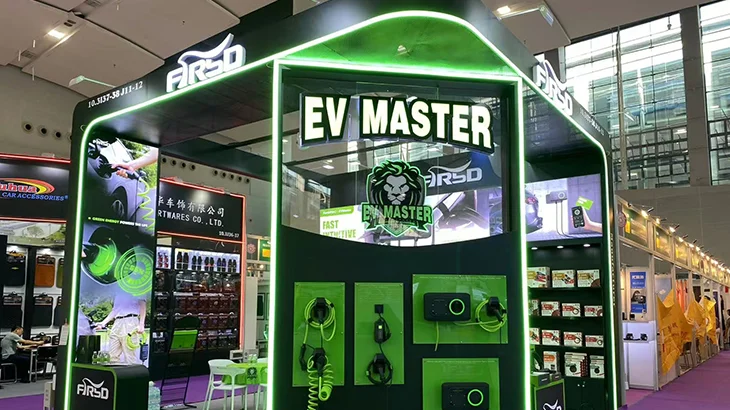
As an important international trade fair, the Canton Fair attracts merchants from all over the world to come and discuss cooperation. From April 15 to May 5, Aolu Industry and Trade Co., Ltd. participated in the fair with its core products and exchanged ideas with merchants from home and abroad.
Find out more about our news >