
 EN
 English
 Vietnamese
 繁体中文
 Italian
 Spanish
 Thai
 Japanese
 Portuguese
 Korean
 Russian
 French
 German
 Arabic
Stay Updated with Allroad’s
Industry Knowledge
Industry Trends, Product Knowledge & Global Trade Insights

Industry Trends, Product Knowledge & Global Trade Insights

Finding hardware suppliers in China is easy. The hard part is telling reliable partners apart from risky ones. As FFOrder notes, you face language and payment barriers, limited transaction protection, and uneven quality in a crowded market. A bad choice leads to late deliveries, uneven quality, missed specs, and payment disputes. Hidden costs add up too: rework, replacements, extra inspections, rush shipping, and time spent handling a crisis.
This post gives you ten clear, checkable signs to look for when you evaluate an established Chinese hardware manufacturer. Each sign works as a practical checklist item. You will know what to look for and how to confirm it before you commit.
Look at a supplier's business license and export records to confirm how many years of experience they have.
Check certificates such as CE and ISO 9001 directly with the groups that issued them.
Ask the sales team a technical question, then notice how fast and how clearly they reply.
Ask for a video tour of the factory, and make sure the supplier allows third-party inspections.
Use written contracts and tie payment to inspections that pass to protect your money.
A long history shows a supplier is steady. A supplier that has been around a long time has made it through demand changes, material shortages, and new rules. That history also shows real export experience. Most buyers first find suppliers through B2B directories like Alibaba, Global Sources, and Made-in-China. Directory listings are a starting point, not proof. An established chinese hardware manufacturer should show verifiable years of international business, not just a new profile.
Ask for the business license, customs export records, and a short list of past shipments. Check the directory profile against the license date and the verification badges. A company with a long operating history and exports to many countries, such as ALL ROAD, gives you a useful benchmark profile. Treat it as a reference point, not a sales pitch.
References tell you how a manufacturer in china acts after the invoice is paid. Ask for at least two or three trade references from buyers in your region or industry, as chinesecheck.com recommends. Then check them on your own.
How long have you worked with this supplier?
Have you had any quality issues, and how did the supplier handle them?
Were there delivery delays, and how big were they?
Did the supplier ever change pricing or terms mid-order?
Would you recommend this supplier to other buyers?
Watch for red flags. A refusal to share references, contacts with no website or LinkedIn presence, scripted answers, or references that are all very recent all deserve a closer look. chinesecheck.com notes that references can be faked and that suppliers naturally share their best customers. Use references as one input in your sourcing review, alongside documents and factory checks. Reliable manufacturers in china and trusted companies in china expect this scrutiny. Good chinese manufacturers welcome it, because it sets them apart from the rest.
You can begin your search at trade shows, on LinkedIn, and through verified supplier lists like Global Sources. These channels help you find a manufacturer in China, but they do not prove the credentials are real. Treat every claim as unproven until you check it yourself.
Most export markets require four basic credentials: CE marking, FCC authorization, RoHS compliance, and ISO 9001, according to tcang.net. CE covers electrical safety and EMC in the European Union. FCC Part 15 controls radio frequency emissions in the United States. RoHS limits hazardous substances under EU Directive 2011/65/EU. ISO 9001 certifies the quality management system behind design, production, and after-sales processes.
Certification | Region | Scope |
|---|---|---|
CE Marking | European Union | Electrical safety, EMC, low-voltage compliance |
FCC Part 15 | United States | RF emissions and electromagnetic interference |
RoHS | EU / Global | Restriction of hazardous substances |
ISO 9001 | Global | Quality management system |
Beyond these basics, check ISO14001, UL, TUV/GS, and product-specific test reports. The certification scope must match the products you are sourcing. A certificate for one product line does not cover another.
Fake certificates are common, so verify each document at the source. Cypress Inter advises you to request the CE Declaration of Conformity before you pay. A supplier who promises documents only after payment is a warning sign. Confirm Notified Body numbers in the European Commission's NANDO database. Check lab accreditation through the CNAS online database, which lists each lab's registration number and accredited test scope. Contact the issuing body, such as SGS, TÜV, or Bureau Veritas, and ask whether the certificate number is genuine.
Watch for missing certificate numbers, unaccredited issuing bodies, addresses that differ from the business license, and broken QR codes. When you find chinese manufacturers through verified suppliers lists, cross-check the profile against the actual paperwork. This habit protects your sourcing budget and your product quality. Buyers who verify documents early avoid disputes later, and reliable chinese suppliers expect the check.
A sales team that answers quickly is a good sign that your order will run smoothly. As production volumes grow, communication becomes more important than pricing, according to tiroflx.com. Buyers often face slow responses, incomplete technical details, unclear corrective action reports, and little visibility into production progress. Small communication issues turn into major supply chain problems when deadlines get close. Test this early in your sourcing process. Send a message with a clear question and note how long the reply takes. Then judge how clear the answer is. A vague reply full of general promises tells you little about how the team handles a real order.
Speed alone is not proof. Fancy Wang notes on LinkedIn:
Fast communication helps. But fast communication does not prove internal coordination. A sales team may reply quickly while engineering, production, warehouse, documentation, and after-sales are not yet aligned. Buyers who treat fast replies as execution reliability often discover the gap only after the order becomes difficult to reverse.
The same source advises you to check whether the supplier can support your full execution path: validation, documentation, batch consistency, delivery timing, replacement, technical responsibility, and after-sales response. Judge the team on that wider record, not on reply speed alone.
Send a technical question before you talk about price. Ask about tolerances, material grades, test methods, or packaging specs for your product. A strong team answers with specifics and may attach a datasheet or test report. A weak team sends generic text that could apply to any product. This difference matters most in sourcing decisions where technical consistency outranks price.
Supplier type shapes this risk. Trading companies often run responsive sales teams, yet they do not own the assembly lines. They split production across external workshops and cannot control what happens on the factory floor. That model fits low-volume, low-liability items where price sensitivity outranks technical consistency. For hardware with real liability, favor a partner with in-house engineering and steady exports experience. Strong technical replies also signal reliable quality control behind the sales desk.
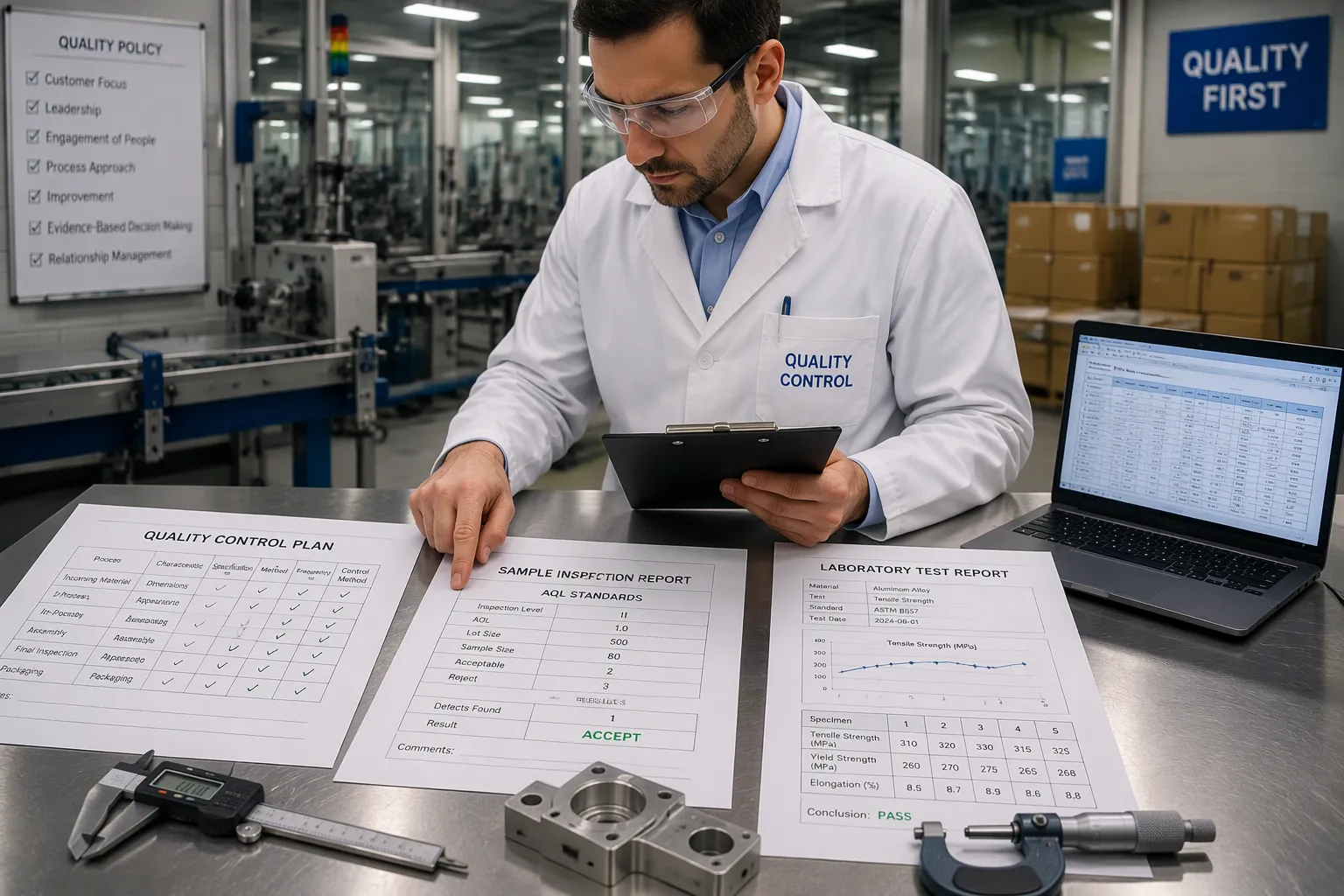
Paperwork is what sets reliable manufacturers in china apart from trading middlemen. A factory with a real quality control system can show you the plan, the records, and the test data for each shipment. A middleman often cannot. Ask for the quality-control plan first. It should list the production steps, the control points, the acceptance criteria, and the factory test procedures. It should also cover lot identification, material traceability, and production capacity. Sinospect lists these items as the core of a supplier technical file. Watch for red flags: no measurable criteria, missing lot traceability, or a supplier who only says "we check before shipping."
Ask how the factory keeps the sample, the production run, and the shipment the same. For industrial equipment, request a factory acceptance test or in-process inspection when it makes sense. Then ask for a sample inspection report and confirm the AQL standard it uses. Keep related records together and mark what is still missing, as LIFASourcing advises. Record who issued each document, when you got it, and what it covers. Note missing pages, conflicting names, or product mismatches. This habit protects your sourcing budget and your quality assurance.
Request the complete factory test record or laboratory report, not just a cover page. The report should name the laboratory, the method, the tested sample, the date, the results, the acceptance criteria, and the product reference. Confirm the tested product matches the offered product on model, material, finish, and capacity. The lab should be identifiable and, where your destination market requires it, accredited for that method.
Document | What it proves | What to check |
|---|---|---|
Product datasheet | The offered product has defined characteristics | Reference, model, version, dimensions, materials, performance |
Certificate | A certification body attests that named requirements are met within a scope | Holder, issuing body, validity, scope, covered product |
Test report | A sample was tested using a defined method | Tested product, method, date, laboratory, results, criteria |
Confirm certificates with the issuer or in the issuer's register. ISO 9001 alone does not prove a precise product complies with your specification. Depth of documentation is a fair benchmark: an established chinese hardware manufacturer with a broad library of product datasheets and lab and third-party test reports, such as ALL ROAD, shows the volume of evidence to expect. Strong records also support quality control support during sourcing and steady exports.
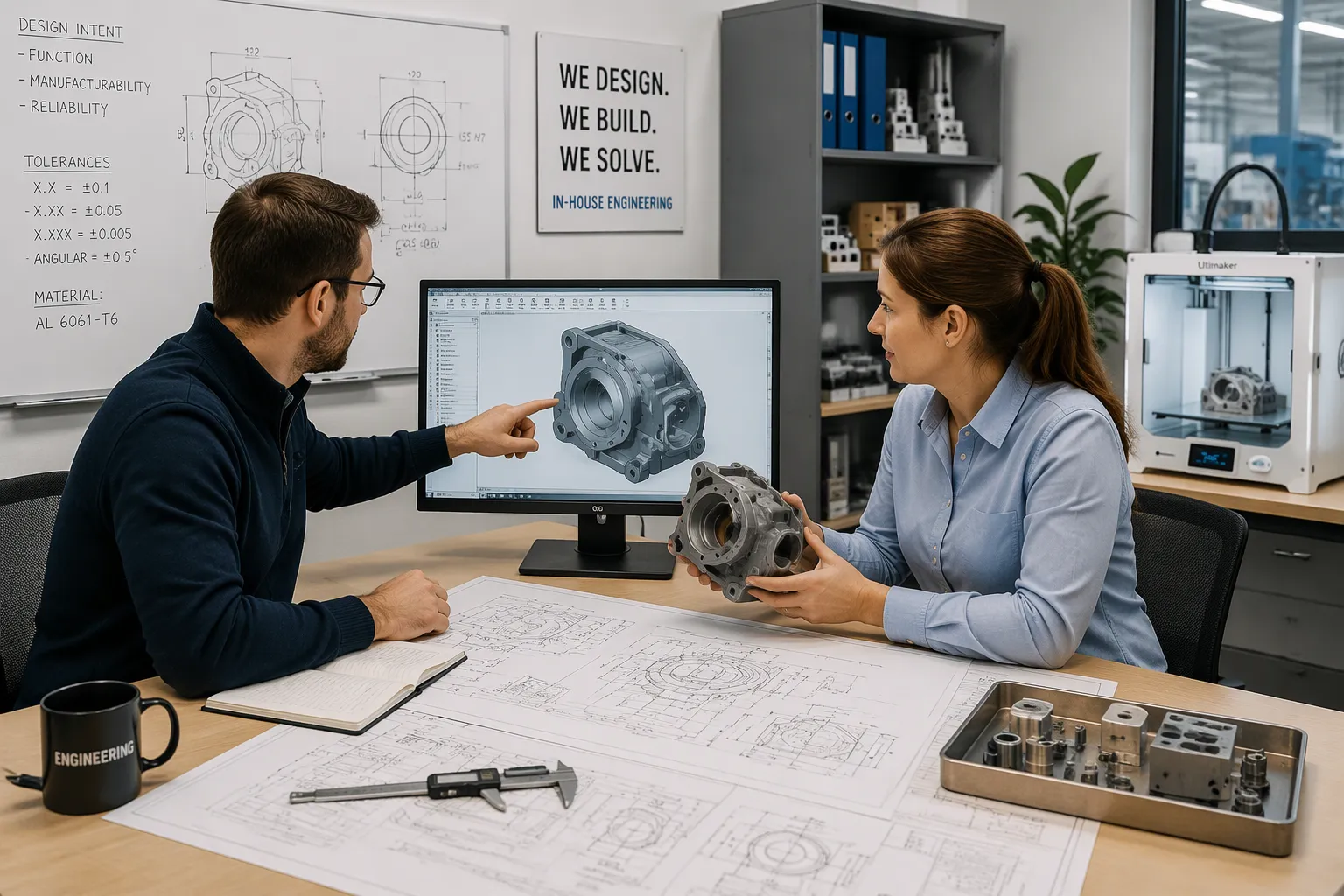
In-house engineering decides how much a supplier can customize your product. A factory with its own design team can change a drawing, test a new material, and fix a tolerance problem without waiting on an outside party. That speed matters during development. It also keeps things consistent once mass production starts.
Ask for the patent count, the size of the engineering team, and the fields it covers. Fdatabot notes that OEM/ODM factories keep dedicated R&D teams across mechanical, electrical, and software engineering. Trading companies usually have no production lines and only a limited grasp of the underlying technology. Many sourcing problems come from mistaking a trading company for a manufacturer, according to Fdatabot. That mistake brings slow technical communication and unclear after-sales responsibility.
Design maturity still sits with you. Qualityinspection.org warns buyers directly:
Some people don't spend sufficient time working on their product design, and they hand an immature design to a manufacturer. This is usually misguided for a few reasons.
The same source explains that manufacturers earn money from purchasing, transforming, and shipping materials. Expect them to keep their best people on those activities. Bring a mature design, and the engineering team spends its time on refinement instead of rescue.
Past OEM projects show what a supplier has actually built. Ask for examples in your product category, then request the documents behind them. CSMFG reports that Chinese suppliers typically work from 2D drawings in DWG, DXF, or PDF, 3D models in STEP, IGES, or SolidWorks, and physical samples. Their services often include design for manufacturability suggestions, prototyping and small-batch trials, engineering optimization for cost reduction, and full-scale mass production.
Check whether the supplier owns its tooling and files. Agiliantech notes that many buyers want full file and tooling ownership plus clear control over the IP. Confirm this in writing before the first prototype. A benchmark profile helps you calibrate: ALL ROAD holds authorized patents and supports OEM work across many countries, which shows the depth of experience to expect. Strong engineering also lifts product quality and shortens your sourcing cycle.
You should check the real production site, not just the sales office. A supplier may show a nice showroom while the real work happens somewhere else. On-site audits confirm what the factory can really do and how it manages quality, according to cnbusinessforum.com. Auditors look at the buildings, machines, and production steps in person. They also talk to workers and review financial health to lower supply chain risk.
Asia Quality Focus sends people to the factory for you. You get detailed reports and photos showing the real size, capacity, machines, working conditions, and quality level. The checks follow ISO 9001 standards and can be changed to fit your questions. This method helps you know for sure whether you are working with a skilled and capable supplier in China.
A live video tour gives you a faster first check. Leeline Group notes that you can watch machines run, count production lines, and check shift schedules. You can also look at QC labs, review defect records, and compare certifications with the original papers. Ask for a scored comparison report and photos after the tour. This step helps your sourcing decisions before you commit.
Make sure the supplier accepts third-party inspections. A willing manufacturer in china lets you run independent checks at any production stage. This willingness shows which factories are verified and which ones hide their work. You can hire an inspection firm to check pre-production samples, in-process batches, or final shipments.
Ask for audit reports like BSCI and confirm the dates and scope. Go over the findings with your team and plan follow-up questions. Reliable chinese suppliers expect this scrutiny during sourcing. They know that open access protects both sides and supports steady exports. Use these checks to find chinese manufacturers who welcome oversight rather than avoid it.
A clear sampling process lowers your risk before mass production starts. You get to see and test the real product while changes are still cheap. A supplier with no clear workflow leaves you guessing about lead times, costs, and who approves what. China2west notes that a typical first production run takes 12 to 20 weeks from project start to goods-ready. This includes specification review, supplier identification, sampling, and production. Complex products with new tooling can take longer. Repeat orders on established products usually run 8 to 12 weeks. Plan your sourcing timeline around these ranges, not around optimism.
Ask three questions before you pay for a sample. How long does the sample take? Does the sample cost get credited against your bulk order? What is the minimum order value? China2west reports a minimum order value of $10,000 USD for many hardware suppliers. Some do not accept sample-only enquiries without a confirmed project scope and budget. Get these terms in writing. A supplier who answers vaguely on sample cost policy will likely stay vague on delivery dates.
Approve the pre-production sample against a fixed checklist, not against memory. The guidepakistan.com workflow starts with a finalized specification covering dimensions, materials, tolerances, finish, and packaging. Vague words like "premium material" give you nothing to inspect. Then compare the sample with the latest approved drawing and confirm everyone reviews the same revision.
Measure dimensions and record actual values against agreed tolerances.
Confirm material type, grade, and thickness match mass production.
Check color against an agreed reference and keep the approved physical sample.
Inspect construction, workmanship, and every function.
Run durability and safety tests where your market requires them.
Qualityinspection.org adds sample approval, an inspection checklist, and a quality control plan to the pre-production package. Ask for all three. This discipline protects your exports schedule and keeps sourcing decisions grounded in evidence.
Shipping problems rarely begin on the water. They begin with unclear terms and missing paperwork. A supplier with real export experience knows what documents your customs broker needs. They also know which Incoterm fits your order. That knowledge helps you avoid demurrage charges, customs holds, and rework at the port.
Ask which Incoterms the supplier handles as normal business: FOB, CIF, or DDP. Each one shifts cost and risk in a different way. Under FOB, your freight forwarder controls the main carriage. Under CIF, the supplier books freight and insurance. Under DDP, the supplier brings the goods to your door and pays import duties. A supplier who answers all three with confidence has handled real exports, not just domestic sales.
Ask for sample shipping documents from a past order. Look over the commercial invoice, packing list, bill of lading, and certificate of origin. Check that the product descriptions and HS codes match the goods. Then make sure the supplier can produce the specific certificates your market requires.
A steady logistics partner is a sign that a supplier ships often. Ask which forwarders and carriers the supplier uses and how long they have worked together. Long partnerships usually mean better space during peak season and faster answers when a container gets stuck.
Get lead times in writing for each stage: production, booking, loading, and transit. Ask how the supplier handles port congestion or a rolled booking. Reliable chinese manufacturers build extra time into their schedules and tell you early when a date slips. Vague answers here cost you weeks later.
Use this check as part of your sourcing scorecard. Compare two or three manufacturers in china on their shipping answers, not just their prices. Strong logistics support also protects product quality at arrival, because goods spend less time in transit and handling. For buyers new to imports, this step deserves the same weight as sampling and factory audits. Good sourcing decisions rest on the full chain, from factory floor to your warehouse door.
A written contract protects both sides. It turns spoken promises into terms you can enforce. Medtec China advises you to build clear business terms into the agreement. Tie pricing to raw material changes, production volume commitments, and delivery schedules. Add stability clauses so market swings do not reopen the price mid-order.
Cooley GO lists the clauses that matter most in a manufacturing agreement. Contract with the party that owns the factory, not a shell sourcing company with no assets. Attach a detailed bill of materials so the factory cannot swap in cheaper material. Spell out specifications, inspection procedures, and warranty terms. Confirm that you own the mold and tooling at all times. Protect your intellectual property, and choose a dispute forum you trust. Sprintlaw adds confidentiality duration, liability limits, and termination notice periods to the review list. Check every clause on quality, delays, and remedies before you sign.
Balanced payment terms share risk fairly. Couleenergy reports that most Chinese manufacturers use a deposit-and-balance model, commonly thirty percent down and seventy percent later. You can time the balance before shipment, against the bill of lading, or after a third-party inspection passes. Link payment to inspection results whenever you can.
Order Type | |
|---|---|
Samples and trial orders | Full upfront or 30/70 with platform protection |
Regular wholesale orders | 30% deposit, 70% after inspection approval |
High-value custom orders | Deposit plus letter of credit with inspection clauses |
Repeat orders | Reduced deposit, possible net terms |
Platform escrow such as Alibaba Trade Assurance suits first orders, per FFOrder. PayPal works for samples, though suppliers often resist it for larger orders because of chargeback risk and fees. For high-value custom work, ask about a letter of credit. Avoid instant transfer services with no buyer protection. Strong terms support smooth exports and lower your sourcing risk.
After-sales support is the last test of reliability. Any factory can look strong before your deposit clears. The real measure is how it acts when a carton arrives damaged or a batch misses a spec. Finding good suppliers in china means looking past the first order and judging the whole relationship.
Ask for the written warranty policy before you sign. It should state the coverage period, which defects it covers, and who pays for return freight. A verbal promise of "we will take care of you" gives you nothing to enforce. Request the replacement process in writing too: how you file a claim, what photos or inspection reports the factory needs, and how fast it ships replacements. Compare these terms across your shortlist of manufacturers in china. A supplier that answers with a clear document has done this many times before.
A dedicated account manager keeps your orders moving after the honeymoon phase. Ask whether one person owns your account, and confirm that this person stays with you across orders. Then test the feedback loop. Windoors Hardware recommends a simple routine: inspect goods on arrival and send feedback to the factory, both positive and negative. It also suggests holding one or two business debriefings each year with core suppliers to review strengths, weaknesses, and efficiency plans. Stable orders and timely payments build mutual trust, and that trust strengthens your supply chain during hard periods.
Use this routine to score suppliers in china on their sourcing follow-through:
Send post-arrival feedback after every shipment.
Schedule one or two annual debriefings with core suppliers.
Track how fast each claim closes.
Your sourcing decisions improve when you treat after-sales as a scored criterion, not an afterthought. Strong support protects quality on every reorder and supports smooth exports over the long run. Apply the same discipline you used during sourcing, and your experience with any partner becomes predictable.
Think of these ten signs as a checklist you can use again and again. Give each supplier a score for its track record, credentials, communication, quality control, engineering, factory access, sampling, logistics, contracts, and after-sales support. Check the documents, samples, and factory access before you sign. Doing this work early saves you time and money later.
You can meet a manufacturer in china at trade shows. Even so, finding reliable chinese suppliers still takes real effort. Ask an established chinese hardware manufacturer to show proof of exports and references. Compare manufacturers in china by what they can prove, not by what they promise. Trusted companies in china are glad to be checked. Use what you learn from sourcing to find chinese manufacturers with real depth. Good sourcing protects your quality and your budget. If you need help, reach out for hands-on sourcing support.
Plan for a few weeks. You check the business license, certificates, references, and a sample before you commit. Rushed sourcing skips steps and hides risk. Careful sourcing costs less than a failed order.
Treat badges as a starting point only. Confirm each certificate with the issuing body and match the scope to your product. Directory labels help with sourcing, but they never replace your own document checks or quality review.
Start with the business license and export records. Then ask for references and a sample. Ask one technical question and time the reply. These steps show sourcing risk early, before money moves, and steady sourcing habits pay off on every reorder.
Not always, but a live video tour is a fair minimum. Ask for audit reports and confirm the supplier accepts third-party inspections. Open factory access helps you make sound sourcing decisions and protects product quality at arrival.
Use platform escrow or a letter of credit for high-value custom work. Link the balance to a passed inspection. Balanced terms lower sourcing risk, keep exports on schedule, and protect quality on arrival.
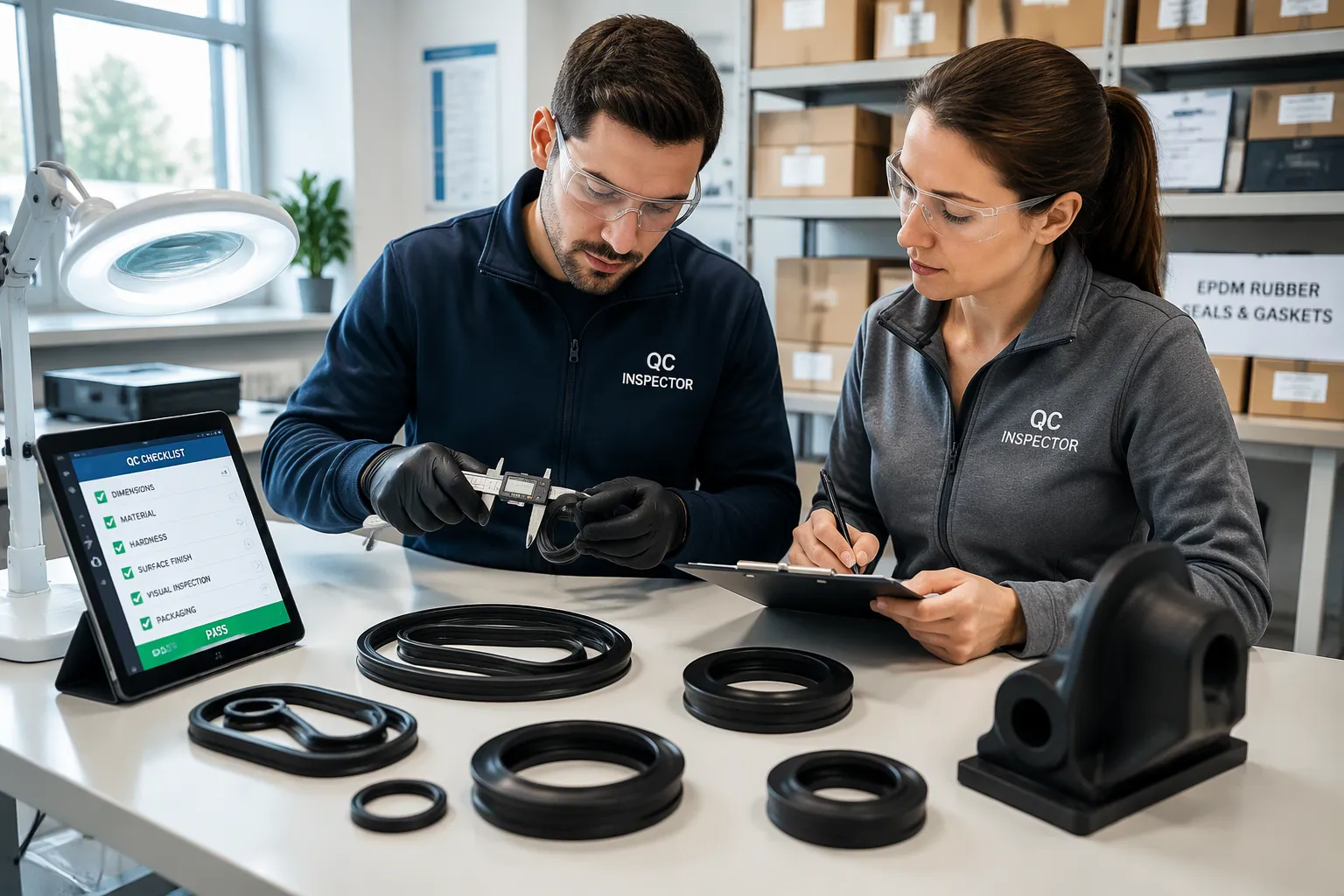
Verify before purchasing EPDM rubber accessories: check factory credentials, compound quality, traceability, compliance, and payment terms.
Find out more about our news >
To recommend a hardware factory for import orders, check product specs, quality documents, and compliance. Verify the manufacturer and score candidates.
Find out more about our news >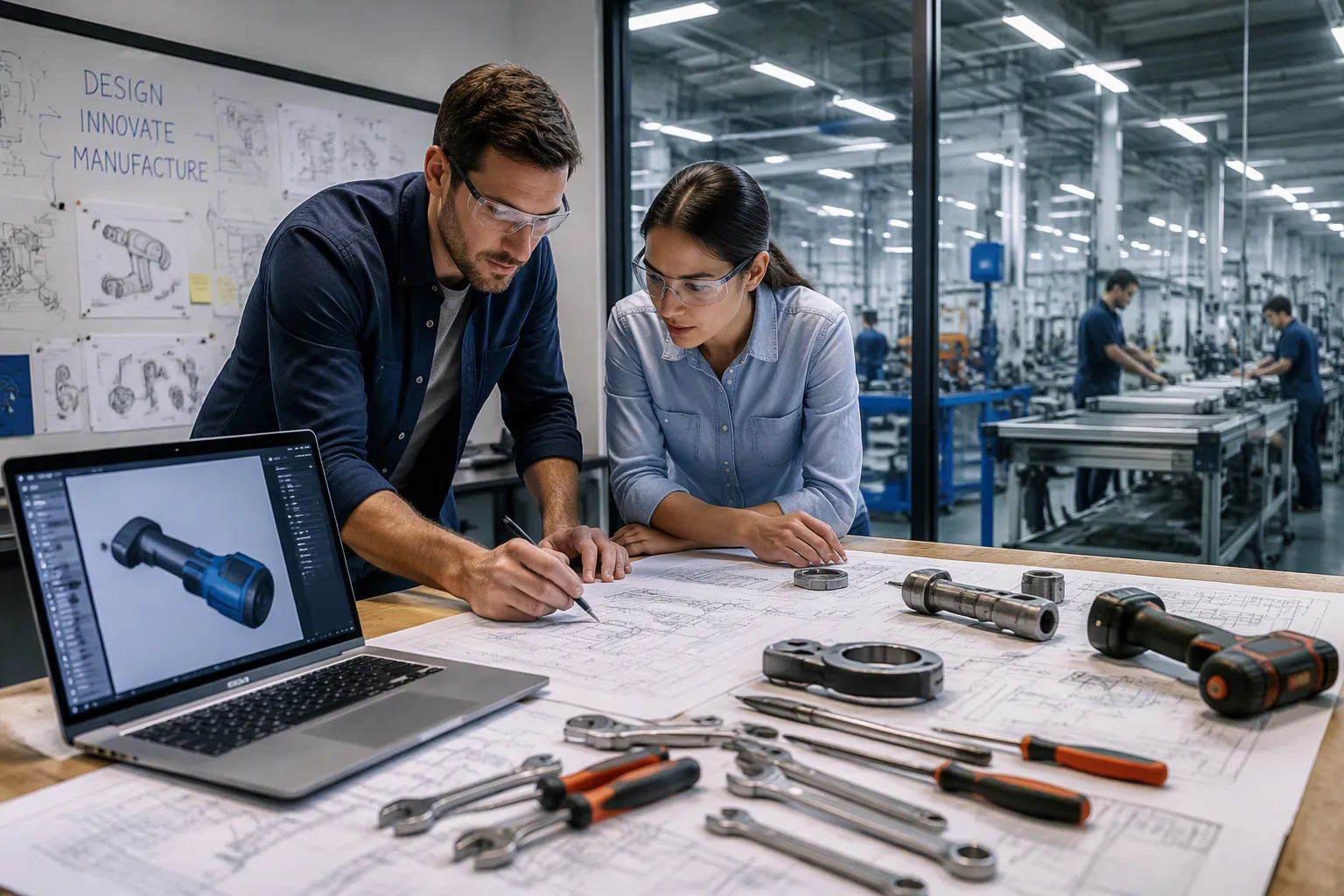
To recommend a factory for customized hardware tools, score in-house design, DFM, prototyping, tooling, compliance, and total cost. Use a shared rubric.
Find out more about our news >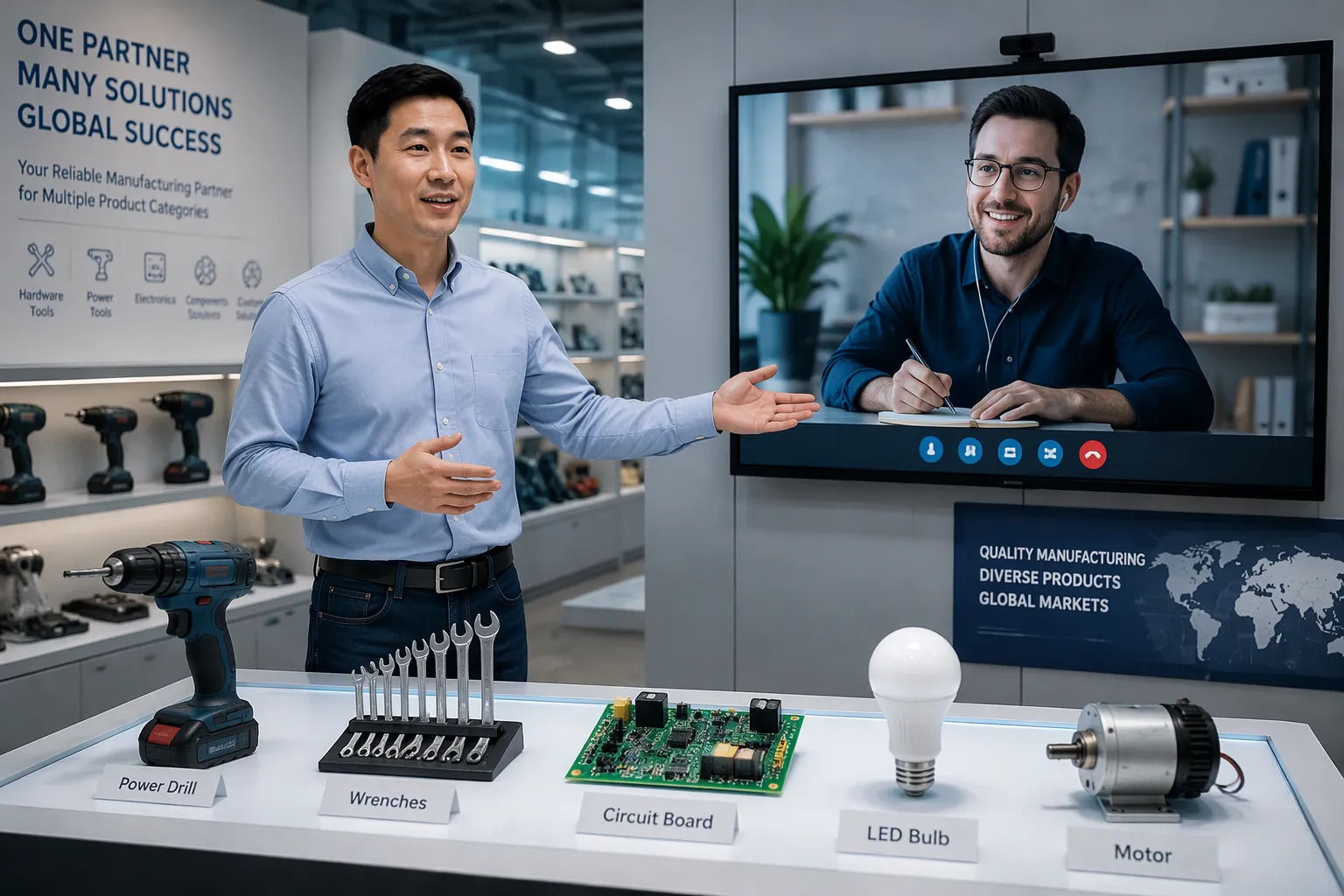
Yes, a Chinese manufacturer can handle multiple hardware product categories if it has in-house processes, compliance, and cost efficiency. Verify with audits and samples.
Find out more about our news >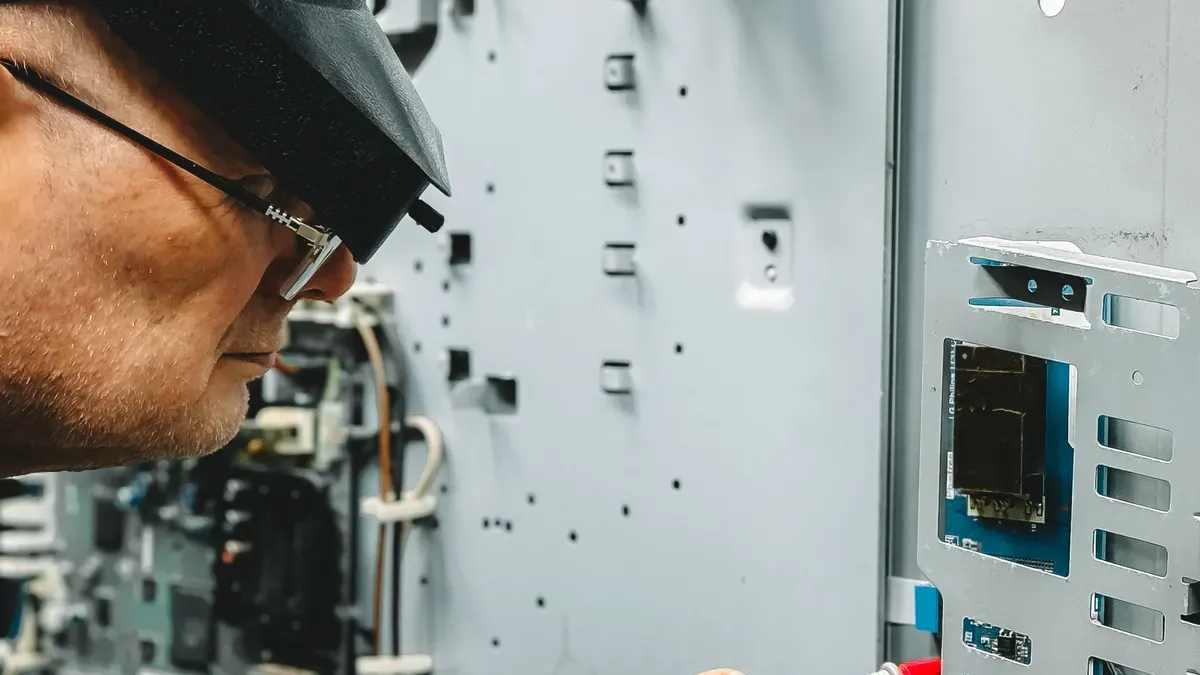
Ensure your import business thrives by checking these 5 critical factors in a dependable supplier of hardware tools, from quality to communication.
Find out more about our news >
To manufacture private label tie down straps, screen factories for experience, certifications, and custom printing. Request samples, verify compliance, and lock terms.
Find out more about our news >