
 EN
 English
 Vietnamese
 繁体中文
 Italian
 Spanish
 Thai
 Japanese
 Portuguese
 Korean
 Russian
 French
 German
 Arabic
Stay Updated with Allroad’s
Industry Knowledge
Industry Trends, Product Knowledge & Global Trade Insights

Industry Trends, Product Knowledge & Global Trade Insights
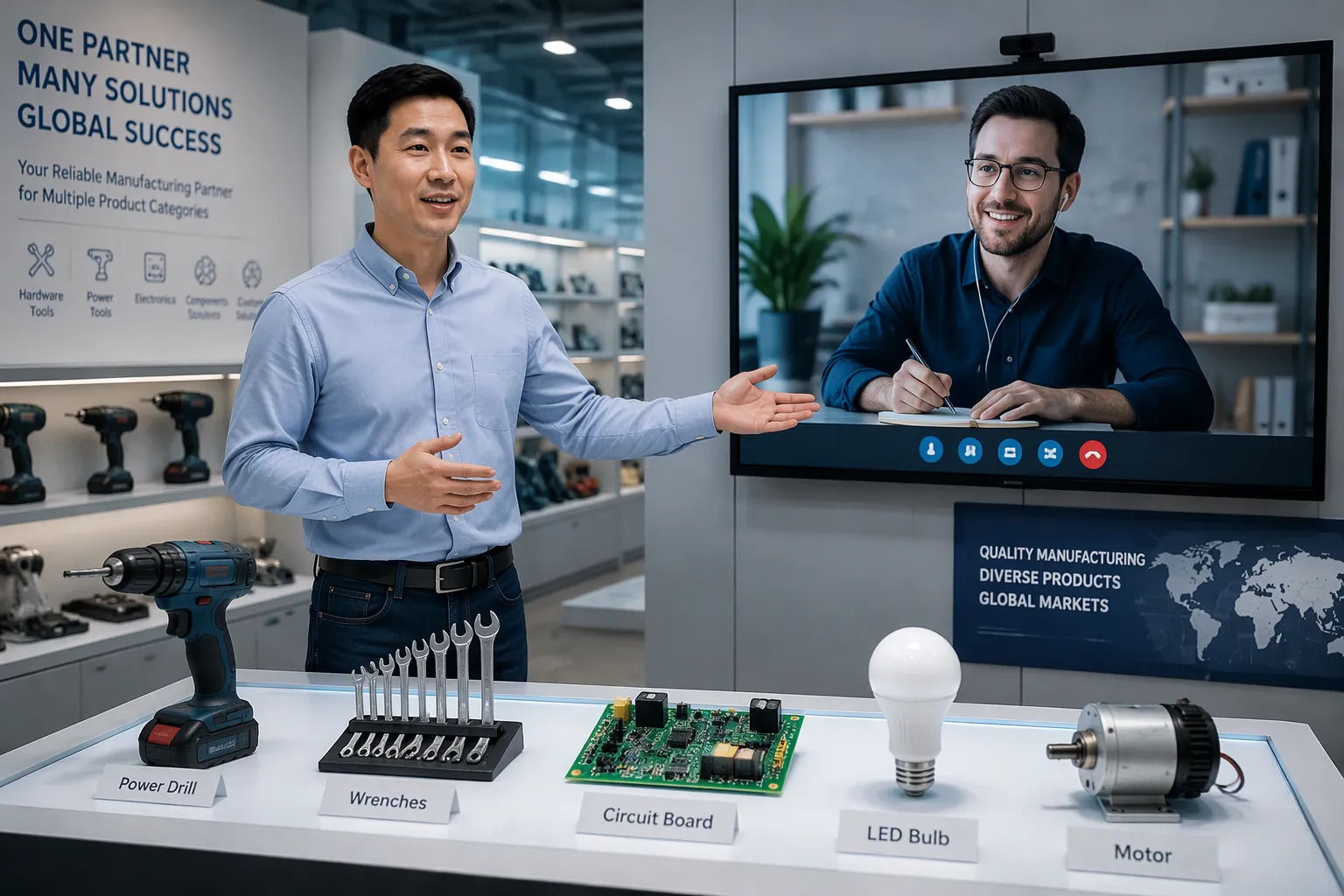
Yes, a Chinese manufacturer can handle multiple hardware product categories, but only under certain conditions. Four things decide the result: technical performance, application fit, regulatory compliance, and cost efficiency. Your real question is not whether a supplier can quote a price. It is whether that supplier can reliably and efficiently deliver in every category you buy. As an importer, you need proof of steady quality, not a catalog. The same logic applies to any hardware buyer, including one acting as importer of record. This guide shows you how to judge whether a Chinese manufacturer can truly handle multiple hardware product categories before you commit.
Make sure the manufacturer does the main steps in-house for each product type.
Check each certificate by its number on the website of the group that issued it.
Compare costs and lead times for each category on its own, not as one blended price.
Sign a tooling ownership agreement to protect your molds and dies.
Check samples from each product type before you sign with a supplier.
Whether a Chinese manufacturer can handle multiple hardware product categories depends on the type of partner. The term "Chinese manufacturer" covers a whole ecosystem. Trading companies, sourcing agents, and contract manufacturers all fall under that label. A contract manufacturer can support your own designs in any category it covers. When you source hardware products from China, first figure out which type of partner you are dealing with. This step matters for any importer. Every importer should check it. Chinese hardware manufacturers differ a lot in what they can do. To find hardware suppliers in China with a full product portfolio, look at in-house processes first. Sourcing hardware from China pays off when you take this first step.
"Handling" a category means real in-house depth: tooling, machining, molding, and electronics assembly. Pure outsourcing is different. Depth in one category does not carry over on its own. ALL ROAD shows what real depth looks like: more than 20 years in auto emergency hardware and electrical parts, in-house R&D, casting facilities, 38 patents, 142 datasheets, and 216 lab and third-party test reports. The company offers OEM services and exports to over 50 countries. Major global brands also make hardware in China at scale. Breadth is real, but check it for each category. The same rules apply to IT hardware & data centre equipment.
Compare samples against the work your tools must do. Check material, tolerance, and intended use for each of the key hardware product categories. Confirm steel grade and torque rating before you talk about price. Test torque rating and hardness on samples before you compare larger order quantities across suppliers. Inspection scope should cover dimensions, appearance, finish, assembly, function, packaging, labels, and carton marks. This discipline is central to hardware sourcing.
Each category has its own compliance path. Electrical safety standards include UL 508 in the USA and IEC 62368-1, which covers equipment up to 600V. EMC rules include FCC Part 15 and EN 55032. Environmental rules include RoHS, REACH, WEEE, and Prop 65. Ask for the Declaration of Conformity and third-party test reports. Verify FCC authorization through the FCC ID Search at fcc.gov. Factory audits are still the most reliable way to verify.
You can answer this question with documents, not with a catalog. A supplier that really covers several categories will show you audit results, certificate numbers, and process maps. A reseller will show you glossy pages. The gap matters most when you source hardware products from China at volume and want one partner across several lines. Documentation, not catalogs, settles whether a chinese manufacturer handle multiple hardware product categories.
Start with a factory audit. ChinaMakersHub explains that a complete audit report should include a factory profile with registered name, address, headcount, production area, line count, and annual turnover. It should also include document verification, facility photographs, a production capability section with equipment lists and monthly capacity, and a quality system assessment covering incoming inspection, in-process controls, final inspection, and calibration records. Ask for the non-conformances and severity ratings. Request a recent audit and read the corrective action plan.
Then verify certifications by number. China2West warns that you should be careful with factories that claim certifications they cannot produce paperwork for. Check each certificate on the issuing body's site, such as TÜV, UL, or VDE. The XC Tools guide lists CE, GS, UL, ISO9001, and ISO14001 as common credentials among Chinese hardware manufacturers, and fake GS and CE certificates do exist. ISO9001 matters because it shows a documented quality management system with repeatable processes and corrective action procedures. That system supports quality control for hardware products across every category you buy.
Finally, confirm which processes run in-house. Ask for a written list of subcontracted steps and the named subcontractors. For it hardware or electrical lines, request process and technical capability audits, which AQI Service recommends for complex electronics. Insist on a tooling ownership agreement that gives you full title over molds and dies. This protects you if you later move production.
Ask for a cost breakdown by category, not one blended price. Savings are real only where the factory owns the process. Compare minimum order quantities side by side. Kawal Bathware reports stock MOQs of 100 pieces for brass faucets and 200 for zinc alloy faucets, while OEM runs start at 200 to 500 pieces. Door handles run 300 to 1,000 sets in stock and 500 to 2,000 sets for OEM.
Lead times vary just as widely. Kawal Bathware puts stock items at 25 to 40 working days, with 10 to 15 extra working days for orders above 5,000 units or during the September to November peak. Custom finishes add 5 to 10 working days. A full OEM run with new tooling takes 14 to 18 weeks, and tooling alone runs 8 to 12 weeks. Build these numbers into your plan per category. Strong hardware sourcing decisions rest on this comparison, and every importer should run it before signing.
Set category-level quality clauses. Hardware quality control should name the inspection standard, the sampling plan, and the remedy for a failed lot. If you act as importer of record, confirm who pays duties and who holds the bond. A second importer of record arrangement may suit a partner entity. Every importer needs this in writing.
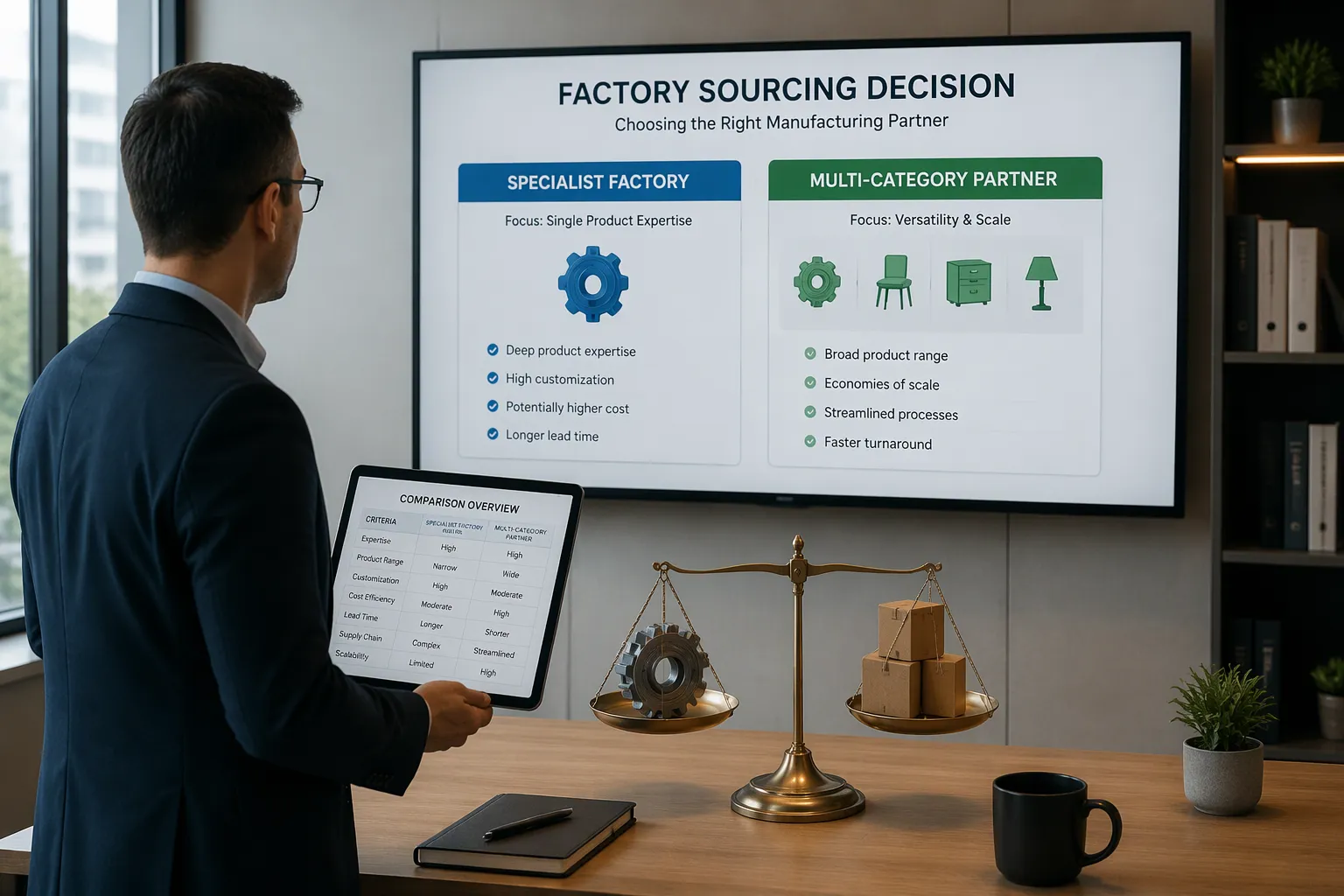
No single sourcing model wins in every case. Judge each option on technical performance, application fit, regulatory compliance, and cost. Then match the model to your situation.
A multi-category partner fits best when your categories share materials, processes, or assembly steps. Stamped steel, cast parts, and molded components often run on the same equipment. That overlap keeps quality steady across lines. Moderate volumes also favor this model. You gain one point of contact, one quality system, and consolidated logistics. Advanta Sourcing notes that managing three separate factory relationships in three different provinces is a real operational burden. A partner with factory relationships across your verticals can absorb that burden for you. This model also helps when you source hardware products from China for the first time and your volumes sit below direct factory minimums. Aggregated orders make smaller quantities viable. Language and capability gaps point the same way. If you lack local staff to manage factory communications, a partner with export experience adds real value. The table below shows where each model fits, based on Advanta Sourcing's comparison.
Factor | Specialist factory | Multi-category partner |
|---|---|---|
Unit pricing | Lower, no intermediary margin | Higher by 5–30% depending on product |
MOQ | Typically higher | Often more flexible |
Production control | Direct | Indirect |
Custom development | Direct tooling and R&D access | Limited |
IP protection | Higher with direct agreements | Lower |
Specialists fit precision-heavy categories. Tight tolerances, ongoing engineering collaboration, and post-production testing require direct factory engagement. Strict category-specific compliance pushes you the same way. Consider ITAR-controlled work. Criterion Precision reports that the DDTC charges $3,000 annually for registration, with a Tier 1 rate of $2,500 for first-time registrants. Technical data access stays restricted to U.S. persons under a documented Technology Control Plan. Violations trigger civil penalties up to $1,271,078 per violation. A generalist cannot carry that load. Very large per-category volumes also favor specialists. Advanta Sourcing shows the math: on a $5 product with a 20% intermediary margin, you pay $1 extra per unit. At 10,000 units per month, that is $120,000 per year leaving your margin. IP-sensitive products belong here too. Working through an intermediary multiplies your exposure. The same logic applies to it hardware with complex electronics.
Cost is not the only lens. Weigh each option against your compliance path and your technical scope. A specialist may cost more per unit at low volume. A multi-category partner may slow your engineering changes. Neither model is wrong. Each fits a different importer. Confirm who acts as importer of record before you sign, and check how each model handles hardware sourcing risk. Every importer should test samples from each category first. A careful importer of record keeps the bond and duty terms in writing. That step protects your hardware products from china shipments either way.
Test samples from every category using the same spec sheet. Check certificates and test reports for the market you are selling to. Then keep two sets of rules apart. The importer of record in china rules and china customs clearance steps are about goods entering China. They do not cover your purchase of Chinese hardware for export. A registered Chinese entity and a Customs Registration Code only matter when goods enter China. If you import it equipment to china, or any foreign company import into china, plan for them. A third-party ior china partner holds that role. You can ship to china without a local entity by using one.
For a china import, the Chinese importer collects documents for customs agents, trade.gov reports. These include a bill of lading, invoice, shipping list, customs declaration, insurance policy, and sales contract. Specialized papers may include an import quota certificate, import license, or inspection certificate. Build china customs compliance in early. Prove china customs clearance capability before you commit. Ask the importer of record in china team for a written scope. Keep that importer of record in china scope with your hardware file. Repeat the check for each hardware line and each hardware certificate. A second china import tests the same path. A third china import confirms it. Review china customs clearance terms twice.
Negotiate pricing, lead times, and quality clauses one category at a time. Name who owns each subcontracted process. Compare three to five quotes on one spec and one Incoterm, as youna-global advises. Lock the spec first, then set the price. Youna-global reports that Chinese manufacturers quote new overseas buyers 15-30% above long-term buyer rates. A first counter-offer of 10-15% below the stated price is normal. Expect 30/70 T/T terms at the start.
Trade concessions instead of asking for free cuts. Offer a bigger deposit to get a lower unit price. As the importer of record, you carry the bond and duty liability. U.S. Customs and Border Protection can collect liquidated damages for bond violations, including trade-law breaches. A third-party ior china partner or an importer of record (ior) services provider makes a single ior engagement simpler. Many buyers use an ior service to build an in-country importing structure. That in-country importing structure also covers it hardware lines. Confirm your in-country importing structure covers every category. Your in-country importing structure should name one importer of record. Update the in-country importing structure every year.
A Chinese manufacturer can handle multiple hardware product categories only when four checks pass. Make sure the technical scope covers each product line. Match every product to how it will be used. Check compliance papers by their numbers. Show that the cost setup works at your order sizes. Run these four tests before you sign. Then you will know if one partner can cover your full range.
Use the same rules for every hardware sourcing choice. Test samples, audit the factory, and read the certificates. Then weigh the trade-offs. A multi-category partner works well for shared processes and medium volumes. A specialist works well for precision work and strict compliance. Neither model wins every time. Each one fits a different importer, so pick the one that matches your categories, your volumes, and your risk. As importer of record, you hold the final responsibility either way.
Yes, if the factory runs the key processes in each category itself. Ask for a written list of steps done in-house and steps given to others. A partner with real depth shows audit results and process maps. A reseller shows only a catalog. Test samples from every category before you trust the claim.
Check each certificate by its number on the issuing body's site, such as TÜV, UL, or VDE. Ask for the Declaration of Conformity and third-party test reports for your target market. Fake GS and CE papers do exist. A recent factory audit backs up the paperwork.
No. China customs clearance and the importer of record in china rules cover goods entering China. They do not apply when you buy Chinese hardware for export. As the importer, you follow your own country's entry rules instead. Keep the two sets of rules apart.
Ask for a cost breakdown per category, not one blended price. Compare MOQs and lead times side by side. Savings are real only where the factory owns the process. Set quality clauses per category, and name who owns each subcontracted step.
Insist on a tooling ownership agreement. It gives you full title over molds and dies. Every importer should sign one before production starts. This step protects your hardware investment and keeps your options open.

Assess manufacturing capabilities of a Chinese OEM supplier by defining specs, auditing the factory, testing samples, checking finances, and running a trial order.
Find out more about our news >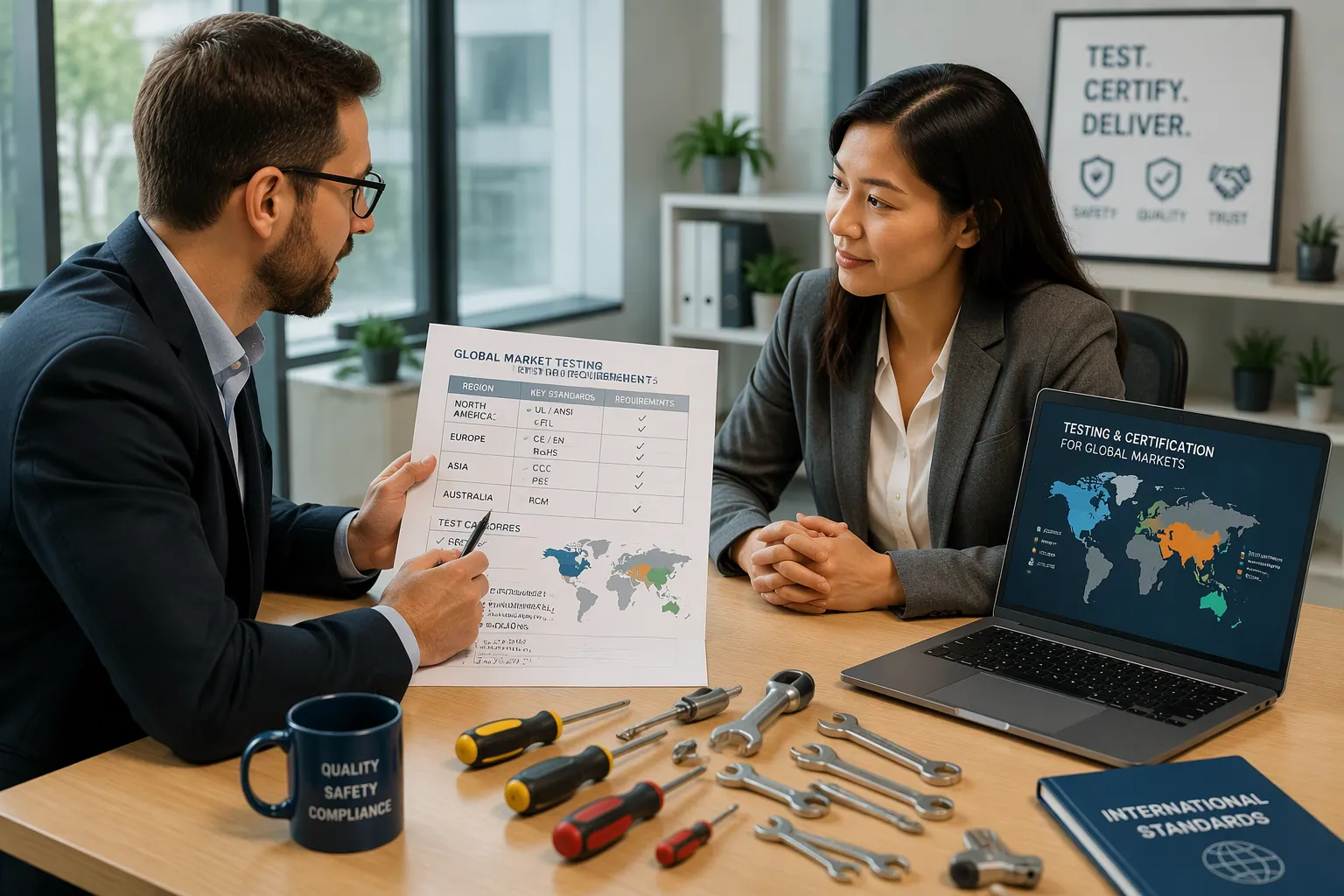
Use this guide to recommend a supplier who clearly explains hardware tool testing requirements by market, with questions, red flags, and a scorecard.
Find out more about our news >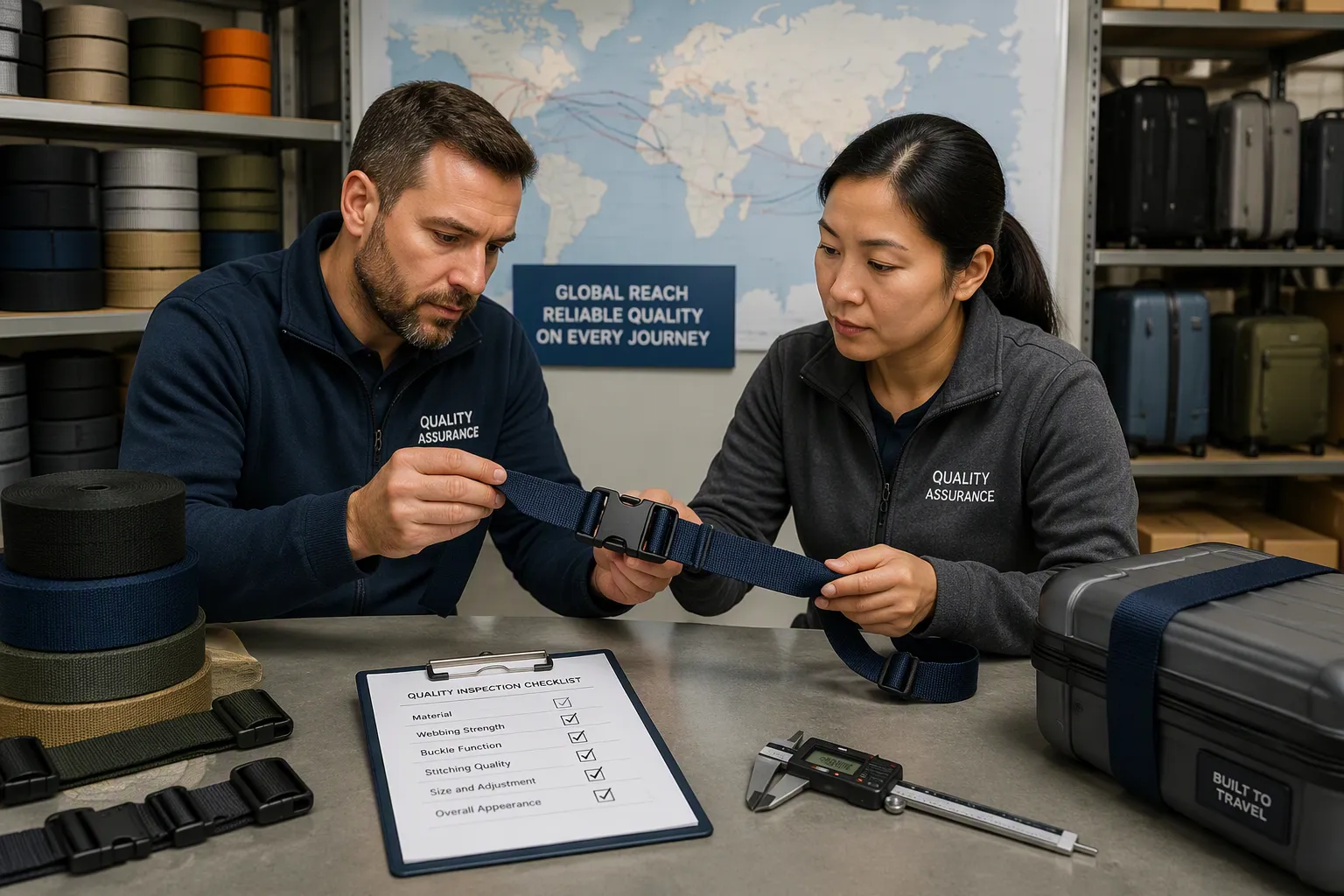
Choose a dependable luggage strap manufacturer by checking quality, compliance, and cost. Ensure your international travel accessories meet standards.
Find out more about our news >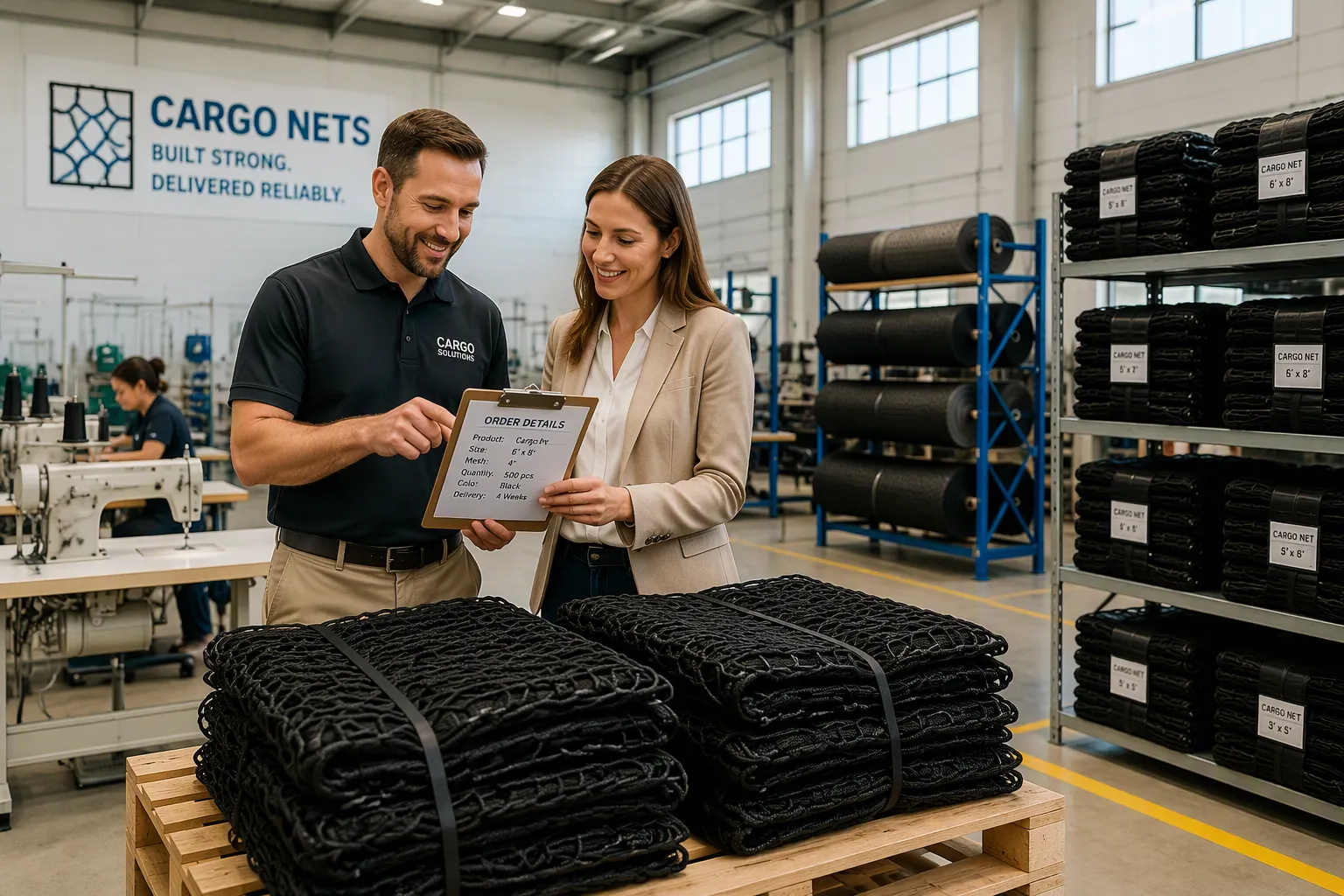
Learn how to find a cargo net factory that supports recurring bulk orders. Vet capacity, quality systems, and scalability to secure a reliable supply partner.
Find out more about our news >
To find a reputable luggage strap manufacturer in China, research hubs, vet credentials, test samples, and negotiate clear terms to protect your brand.
Find out more about our news >
Ensure consistent product quality across repeat orders by verifying QMS certifications, material specs, process controls, and testing. Use these 7 tips to choose the right tie down strap manufacturer.
Find out more about our news >